Recent Posts

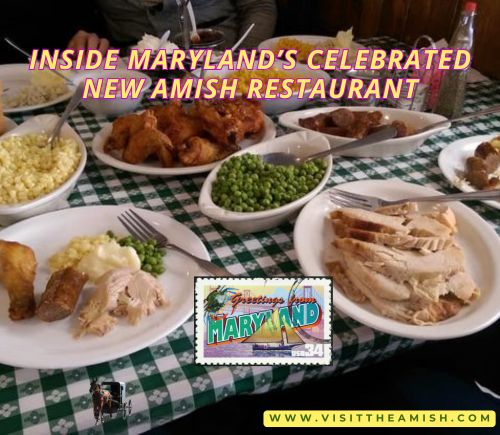
Experience Authentic Amish Dining in the Pocono Mountains


A Taste of Tradition: Exploring Dingmans Ferry’s New Amish Restaurant

Tucked away in the lush woodlands and winding rivers of Pennsylvania’s Pocono Mountains, Dingmans Ferry has long been a haven for outdoor enthusiasts and those seeking a peaceful escape. Now, this charming village is home to a new culinary destination: an Amish restaurant that brings the heartwarming flavors and hospitality of Amish country to the Delaware River Valley. For travelers and locals alike, the opening of “Riverbend Amish Kitchen” marks a delicious new chapter in Dingmans Ferry’s story—a place where tradition, community, and comfort food come together in unforgettable ways.


Bringing Amish Flavor to the Poconos

The story of Riverbend Amish Kitchen began when the Miller and Stoltzfus families, originally from Lancaster County, sought a quieter life and a new opportunity to share their culinary heritage. Drawn by the scenic beauty and welcoming spirit of Dingmans Ferry, they opened their doors in early 2025, quickly becoming a favorite among locals and visitors.

“We wanted to create a place where people could slow down, enjoy a real meal, and feel like family,” explains Mary Miller, co-owner and head baker. “Everything we serve is made from scratch, just like our mothers and grandmothers taught us.”

The restaurant’s rustic décor—handcrafted wooden tables, lanterns, and Amish quilts—sets the stage for a cozy, inviting experience. From the moment you step inside, the aroma of fresh bread, simmering stews, and baking pies promises a meal to remember.


A Menu Steeped in Tradition

Riverbend’s menu is a celebration of Amish culinary heritage, featuring hearty, satisfying dishes made with local ingredients. Diners can enjoy classics such as:

amish pie
  • Chicken and Dumplings: Tender chicken simmered with homemade dumplings in a rich, savory broth.
  • Roast Beef and Gravy: Slow-cooked beef served with creamy mashed potatoes and buttered green beans.
  • Fried Chicken: Crispy outside, juicy inside, served with Amish potato salad and coleslaw.
  • Homemade Noodles: Hand-rolled and served in soups or as a side.
  • Shoofly Pie and Whoopie Pies: Sweet treats made daily in the on-site bakery.

“We make everything the way it’s always been done—no shortcuts,” says Samuel Stoltzfus, co-owner and chef. “Our pies are made with real butter, our bread is kneaded by hand, and we even churn our own butter.”


Local Voices: A Warm Welcome in Dingmans Ferry

The arrival of Riverbend Amish Kitchen has been met with enthusiasm by residents and neighboring businesses. “It’s such a breath of fresh air,” says Linda Foster, a local teacher and regular customer. “The food is amazing, but it’s also about the experience—everyone here is so friendly, and you can tell they really care.”

Nearby business owners have noticed a positive impact as well. “We’ve seen more foot traffic since the restaurant opened,” says Tom Russo, owner of Delaware Valley Market. “People come for lunch or dinner and then stop by our shop for local produce or baked goods. It’s great for the whole community.”

Even local farmers are feeling the benefits. “The Amish restaurant buys eggs, dairy, and seasonal vegetables from us every week,” says Sarah Jenkins of Jenkins Family Farm. “It’s a true partnership, and it helps keep our farm going.”


Amish Hospitality: More Than a Meal

What truly sets Riverbend Amish Kitchen apart is the genuine hospitality that greets every guest. The restaurant is family-run, and it’s common to see the Millers and Stoltzfuses chatting with diners, sharing stories, or offering samples of fresh-baked bread.

“We believe in treating everyone like family,” says Mary Miller. “If someone comes in alone, we make sure they feel welcome. If a family comes in with kids, we bring out coloring pages and fresh cookies. It’s about creating a place where people feel at home.”

This spirit of hospitality extends to the restaurant’s special events, such as Saturday morning pancake breakfasts, holiday pie sales, and occasional Amish craft fairs featuring handmade quilts, baskets, and woodwork.


Local Businesses and Community Connections

amish buggy

Riverbend Amish Kitchen has quickly become a hub for collaboration with other local businesses. The restaurant features cheeses from Calkins Creamery, honey from Pocono Apiaries, and seasonal produce from farms throughout Pike County. “We love supporting local,” says Samuel Stoltzfus. “It’s how we grew up, and it’s how we want to do business here.”

The restaurant’s bakery also supplies fresh bread and pastries to several area cafes and markets, further strengthening ties within the community.


What Visitors Are Saying

Early reviews have been glowing. “The mashed potatoes are the best I’ve ever had, and the fried chicken is just like my grandma used to make,” raves longtime Dingmans Ferry resident Bill Carter. “It’s comfort food at its finest.”

Tourists passing through are equally impressed. “We were hiking in the Delaware Water Gap and decided to stop for lunch,” says visitor Karen Thompson. “The food was delicious, and everyone was so friendly. We’ll definitely be back.”


Planning Your Visit

Riverbend Amish Kitchen is open Monday through Saturday for breakfast, lunch, and dinner, with extended hours on weekends. The restaurant is located just off Route 739, a short drive from the Delaware Water Gap National Recreation Area. Reservations are recommended for dinner and special events.

Visitors are encouraged to check the restaurant’s website for seasonal menus, upcoming events, and information on Amish craft fairs and market days.


dingmans ferry amish

Experience Amish Tradition in the Pocono Mountains

Whether you’re a local foodie, a traveler seeking something new, or simply in search of a warm meal and a friendly smile, Riverbend Amish Kitchen offers a taste of tradition and a sense of belonging. In a world that moves ever faster, this new Amish restaurant in Dingmans Ferry invites you to slow down, savor the moment, and discover the simple joys of home-cooked food and heartfelt hospitality.


Visit Northwestern New Jersey’s Emerging Amish Community: Food, Crafts, and Culture


A New Chapter in Tradition: Exploring the Amish Community of Northwestern New Jersey

Nestled between the rolling ridges of the Kittatinny Mountains and the tranquil farmland of Sussex and Warren Counties, a new Amish community is quietly flourishing in northwestern New Jersey. Far from the bustling highways and city lights, this emerging settlement offers travelers a rare glimpse into the enduring traditions, craftsmanship, and rural hospitality of the Amish—right in the heart of the Garden State. For those seeking authenticity, scenic beauty, and a touch of old-world charm, the northwestern corner of New Jersey has suddenly become a must-visit destination.


A New Beginning: Amish Roots in New Jersey

The Amish have long been associated with Pennsylvania and Ohio, but in recent years, families from Lancaster and Holmes County have begun seeking new farmland and quieter lives in the lush valleys of northwestern New Jersey. Drawn by affordable land, a welcoming rural atmosphere, and the promise of close-knit community, several Amish families began settling near the towns of Blairstown, Hope, and Stillwater in 2024.

“We were looking for a place where our children could grow up close to the land and our faith,” says Eli Stoltzfus, one of the community’s founding members. “The hills and fields here remind us of home, and the neighbors have been very welcoming.”


Building Community: Amish Values Meet Garden State Spirit

The arrival of the Amish has sparked curiosity and excitement among local residents. “It’s like stepping back in time, but in the best way,” says Mary Russo, owner of Main Street Market in Blairstown. “They bring a sense of community and craftsmanship that fits right in with our small-town values.”

Amish families have quickly become known for their willingness to lend a hand, whether it’s helping with a barn raising, sharing gardening tips, or volunteering at local events. “They’re quiet, but they’re always there when you need them,” says local farmer Tom McAllister. “It’s a reminder of what rural life is all about.”

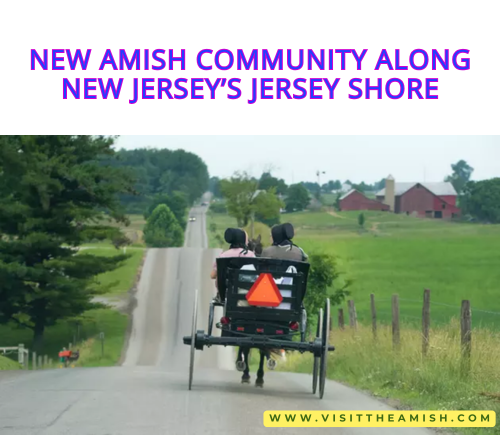
amish buggy

Amish Businesses: Craftsmanship and Country Flavor

One of the most exciting aspects of the new Amish community is the array of small businesses that have begun to enrich the local economy. These enterprises not only provide for Amish families but also delight visitors and locals alike.

Stoltzfus Bakery & Bulk Foods has quickly become a must-visit stop for anyone passing through the area. The scent of fresh-baked bread, pies, and cinnamon rolls greets visitors at the door, while shelves are lined with jams, pickles, and homemade noodles. “We use family recipes and local ingredients whenever we can,” says Anna Stoltzfus. “People come for the pies, but they leave with a little bit of everything.”

Kittatinny Amish Furniture specializes in handcrafted tables, chairs, and cabinets, all made using traditional joinery and local hardwoods. “Each piece is built to last,” explains craftsman Samuel Yoder. “We don’t use electricity or power tools—just hand tools and patience.”

Roadside stands are another hallmark of Amish enterprise. In summer and fall, visitors can find farm-fresh eggs, vegetables, and bouquets of wildflowers along winding Sussex County roads. “It’s a tradition that fits right in with the farm-to-table spirit of northwestern New Jersey,” says Mary Russo.


Local Businesses Embrace Amish Neighbors

The arrival of the Amish has been a boon for local businesses, many of which have formed partnerships with their new neighbors. Restaurants like The Blairstown Diner now feature Amish cheeses and butter on their menus, while the Hope Farmers Market welcomes Amish vendors selling produce and baked goods.

“We love having the Amish at the market,” says market manager Jamie Lee. “Their vegetables are incredible, and their baked goods always sell out. It’s great for the community and for tourism.”

Artisans and shop owners have also found inspiration in Amish craftsmanship. “Their woodworking is second to none,” says artist and gallery owner Ben Jacobs. “We’ve started carrying Amish-made picture frames and wooden toys in our shop, and customers love the quality.”


Voices from the Community

Despite their preference for privacy, the Amish in northwestern New Jersey are known for their friendliness and openness to respectful visitors. “We’re happy to answer questions and share our way of life,” says Eli Stoltzfus. “We just ask that people respect our customs—no photos, please, and remember that Sunday is our day of rest.”

Local residents echo the sentiment. “The Amish have brought a real sense of community back to the area,” says Tom McAllister. “They remind us what it means to work together and look out for one another.”


What to See and Do: Amish Experiences in Northwestern New Jersey

For travelers eager to explore the Amish presence in northwestern New Jersey, there’s no shortage of experiences to enjoy:

  • Visit Stoltzfus Bakery & Bulk Foods for fresh bread, pies, jams, and handmade noodles.
  • Tour Amish woodshops and see master craftsmen at work on furniture and toys.
  • Shop at roadside stands for farm-fresh eggs, vegetables, and flowers.
  • Attend the Hope Farmers Market on Saturdays to meet Amish vendors and sample local treats.
  • Enjoy a meal at local cafés featuring Amish-sourced ingredients.
  • Take a scenic drive through the countryside, watching for horse-drawn buggies and fields tilled by hand.

Visitors are reminded to dress modestly, avoid taking photographs of people, and respect the Amish tradition of rest on Sundays.


Preserving Heritage, Enriching the Garden State

The new Amish community is committed to preserving their heritage while embracing the unique character of northwestern New Jersey. “We want to be good neighbors and good stewards of the land,” says Anna Stoltzfus. “This is a special place, and we’re grateful to be part of it.”

Local officials see the Amish as a valuable addition to the region. “They’ve brought new energy and new opportunities,” says Sussex County tourism director Lisa Martinez. “Tourists come for the scenery, but they stay for the sense of community.”

Amish Couple Buggy Ride by Brook Burling

Planning Your Visit

The best time to visit the northwestern New Jersey Amish community is from late spring through autumn, when the landscape is lush and markets are bustling. Maps and information are available at local visitor centers in Blairstown, Hope, and Stillwater.

Whether you’re seeking handmade treasures, farm-fresh flavors, or a peaceful escape, the Amish of northwestern New Jersey offer a warm welcome and a chance to experience a way of life rooted in tradition, craftsmanship, and community.


Exploring Amish Life in New York’s Catskill Mountains


A New Chapter in the Catskills: Exploring the Emerging Amish Community

Nestled among the rolling hills, dense forests, and sparkling streams of New York’s Catskill region, a new Amish community is quietly taking root. Known for its natural beauty, farm-to-table culture, and artistic heritage, the Catskills now offer travelers an unexpected opportunity: to experience the traditions, craftsmanship, and hospitality of the Amish in a breathtaking mountain setting. For tourists seeking authenticity, tranquility, and a taste of rural life, the arrival of the Amish in the Catskills is a story worth discovering.


The Amish Arrive in the Catskills

The Catskill Mountains have long been a haven for those seeking respite from city life, but in recent years, they’ve also become a draw for Amish families from Pennsylvania and Ohio. Attracted by affordable farmland, a slower pace, and a welcoming rural atmosphere, several Amish families began settling near the towns of Livingston Manor and Jeffersonville in 2024. Their presence is already reshaping the local landscape and economy.

“We came here looking for good land and good neighbors,” says Eli Fisher, one of the first Amish settlers in the area. “The Catskills remind us of home, but the mountains and forests are something special. We hope to build a life here, close to the land and our faith.”


Building Community, One Barn at a Time

The Amish are renowned for their sense of community and hard work, and their arrival in the Catskills has been marked by barn-raisings, shared meals, and neighborly cooperation. Local residents have welcomed the newcomers, finding common ground in a shared appreciation for agriculture and rural living.

amish barn

“When the Fishers moved in, the whole neighborhood came together to help them get settled,” says longtime resident and local business owner, Maria Russo of Willow & Pine General Store. “They brought homemade bread and pies to the first town meeting—it was the best we’ve ever tasted!”

The Amish have quickly become known for their willingness to lend a hand, whether it’s helping repair a fence or sharing gardening tips. “They’re quiet, but they’re always there when you need them,” says farmer Tom McAllister, whose property borders an Amish homestead. “It’s like having neighbors from another time, but with the same values.”


Amish Businesses: Craftsmanship and Fresh Flavors

One of the most exciting aspects of the new Amish community is the array of small businesses springing up across the region. These enterprises not only provide for Amish families but also enrich the local economy and delight visitors.

Fisher’s Bakery & Bulk Foods has quickly become a must-visit destination for tourists and locals alike. The scent of fresh-baked bread, pies, and cinnamon rolls greets visitors at the door, while shelves are lined with jams, pickles, and homemade noodles. “We use family recipes and local ingredients whenever we can,” says Anna Fisher. “People come for the pies, but they leave with a little bit of everything.”

Catskill Amish Furniture specializes in handcrafted tables, chairs, and cabinets, all made using traditional joinery and local hardwoods. “Each piece is built to last,” explains craftsman Samuel Stoltzfus. “We don’t use electricity or power tools—just hand tools and patience.”

Roadside stands are another hallmark of Amish enterprise. In summer and fall, visitors can find farm-fresh eggs, vegetables, and bouquets of wildflowers along winding Catskill roads. “It’s a tradition that fits right in with the Catskills’ farm-to-table spirit,” says Maria Russo.


Local Businesses Embrace Amish Neighbors

The arrival of the Amish has been a boon for local businesses, many of which have formed partnerships with their new neighbors. Restaurants like The Spruceton Inn Café now feature Amish cheeses and butter on their menus, while the Livingston Manor Farmers Market welcomes Amish vendors selling produce and baked goods.

“We love having the Amish at the market,” says market manager Jamie Lee. “Their vegetables are incredible, and their baked goods always sell out. It’s great for the community and for tourism.”

Artisans and shop owners have also found inspiration in Amish craftsmanship. “Their woodworking is second to none,” says artist and gallery owner Ben Jacobs. “We’ve started carrying Amish-made picture frames and wooden toys in our shop, and customers love the quality.”

amish stand

Voices from the Community

Despite their preference for privacy, the Amish in the Catskills are known for their friendliness and openness to respectful visitors. “We’re happy to answer questions and share our way of life,” says Eli Fisher. “We just ask that people respect our customs—no photos, please, and remember that Sunday is our day of rest.”

Local residents echo the sentiment. “The Amish have brought a real sense of community back to the area,” says Tom McAllister. “They remind us what it means to work together and look out for one another.”


What to See and Do: Amish Experiences in the Catskills

For travelers eager to explore the Amish presence in the Catskills, there’s no shortage of experiences to enjoy:

  • Visit Fisher’s Bakery & Bulk Foods for fresh bread, pies, jams, and handmade noodles.
  • Tour Amish woodshops and see master craftsmen at work on furniture and toys.
  • Shop at roadside stands for farm-fresh eggs, vegetables, and flowers.
  • Attend the Livingston Manor Farmers Market on Saturdays to meet Amish vendors and sample local treats.
  • Enjoy a meal at local cafés featuring Amish-sourced ingredients.
  • Take a scenic drive through the countryside, watching for horse-drawn buggies and fields tilled by hand.

Visitors are reminded to dress modestly, avoid taking photographs of people, and respect the Amish tradition of rest on Sundays.


Preserving Heritage, Enriching the Catskills

The new Amish community is committed to preserving their heritage while embracing the unique character of the Catskills. “We want to be good neighbors and good stewards of the land,” says Anna Fisher. “This is a special place, and we’re grateful to be part of it.”

Local officials see the Amish as a valuable addition to the region. “They’ve brought new energy and new opportunities,” says Sullivan County tourism director Lisa Martinez. “Tourists come for the scenery, but they stay for the sense of community.”


Planning Your Visit

amish

The best time to visit the Catskill Amish community is from late spring through autumn, when the landscape is lush and markets are bustling. Maps and information are available at local visitor centers in Livingston Manor and Jeffersonville.

Whether you’re seeking handmade treasures, farm-fresh flavors, or a peaceful escape, the Amish of the Catskills offer a warm welcome and a chance to experience a way of life rooted in tradition, craftsmanship, and community.


Exploring Amish Country: The Best of Southern Pennsylvania’s Amish Experiences


Discovering the Heart of Amish Country: A Journey Through Southern Pennsylvania’s Amish Community

In the rolling hills and patchwork fields of southern Pennsylvania, the Amish community continues to thrive, offering travelers a rare window into a world defined by tradition, simplicity, and enduring hospitality. While Lancaster County often claims the spotlight, the broader southern Pennsylvania region—including charming towns like Strasburg, Bird-in-Hand, Intercourse, and New Holland—invites visitors to slow down, savor the scenery, and experience authentic Amish culture firsthand. Whether you’re a food lover, a history buff, or simply seeking a peaceful escape, southern Pennsylvania’s Amish country promises an unforgettable journey.


The Amish Way of Life: Tradition Meets Tranquility

The Amish have called southern Pennsylvania home since the early 1700s, drawn by the region’s fertile soil and religious freedom. Today, their presence is woven into the fabric of daily life. Horse-drawn buggies clip-clop along country roads, laundry flutters on long lines, and fields are tilled by hand or with draft horses. The Amish live simply, guided by faith, family, and a deep connection to the land.

“We try to keep life uncomplicated,” says Samuel Lapp, an Amish farmer near Strasburg. “We work hard, help our neighbors, and trust in God’s plan. That’s the way it’s always been.”

For visitors, this simplicity is both a curiosity and a comfort. “There’s a peacefulness here you don’t find anywhere else,” shares local innkeeper Linda Fisher. “People come to get away from the noise and reconnect with what matters.”


Exploring Amish Businesses: From Bakeries to Woodshops

A highlight of any trip to Amish country is exploring the many family-run businesses that dot the landscape. These enterprises are not only a testament to Amish craftsmanship but also a vital bridge between the Amish and their English (non-Amish) neighbors.

Bird-in-Hand Bake Shop is a must-visit, famous for its shoofly pie, sticky buns, and fresh-baked breads. “Everything is made from scratch, using recipes passed down for generations,” explains Ruth Beiler, who manages the bakery with her sisters. “We love sharing our traditions with visitors.”

Riehl’s Quilts & Crafts in Leola showcases the artistry of Amish quilting. Each quilt tells a story, stitched by hand in vibrant patterns. “Quilting brings us together,” says group member Mary Riehl. “It’s a way to express creativity and keep our heritage alive.”

Amish Experience at Plain & Fancy Farm offers immersive tours, buggy rides, and even the chance to dine with an Amish family. “People are always surprised by our warmth and humor,” says Eli Stoltzfus, who leads farm tours. “We enjoy answering questions and breaking down stereotypes.”

Exploring Amish Country: The Best of Southern Pennsylvania’s Amish Experiences

Local Voices: The Amish and Their Neighbors

The relationship between the Amish and the wider southern Pennsylvania community is one of mutual respect and cooperation. Local farmers’ markets, like the Lancaster Central Market, are lively meeting points where Amish and non-Amish vendors sell produce, meats, cheeses, and crafts.

“We’ve been coming here for years,” says local chef Tom Myers. “The Amish vegetables and dairy are the best you’ll find—fresh, organic, and full of flavor. Our restaurant menu changes with the seasons, thanks to their hard work.”

Tourists often remark on the friendliness and openness of the Amish. “We were nervous about visiting at first, but everyone was so welcoming,” says traveler Sarah Nguyen. “We learned so much about their way of life, and the food was incredible!”


Authentic Amish Experiences: What to See and Do

Southern Pennsylvania offers a wealth of authentic Amish experiences for every traveler:

  • Take a Buggy Ride: Several local companies, like Aaron & Jessica’s Buggy Rides, offer guided tours through the countryside, complete with stories about Amish customs.
  • Visit Roadside Stands: In summer and fall, Amish families sell fresh produce, baked goods, and flowers from stands along rural roads.
  • Tour Amish Farms: Some farms, such as Old Windmill Farm, welcome visitors for hands-on tours, animal encounters, and even milking cows.
  • Shop for Handcrafted Goods: From intricate quilts to hand-carved furniture, Amish artisans produce heirloom-quality pieces.
  • Dine on Amish Fare: Enjoy a traditional family-style meal at restaurants like Good ‘N Plenty or Miller’s Smorgasbord, where you’ll feast on fried chicken, pot roast, and shoofly pie.

Travelers are reminded to respect Amish customs: avoid taking photos of people, dress modestly, and remember that Sundays are reserved for worship and family.


Community and Change: The Modern Amish

While the Amish are known for preserving tradition, they are not immune to change. Many businesses now accept credit cards, and some Amish youth run farmers’ market stands or participate in local fairs. “We want to be good neighbors and contribute to the community,” says Aaron King, a young Amish entrepreneur. “But we also hold tight to our values.”

Local officials see the Amish as an integral part of the region’s identity. “They’re stewards of the land and keep our agricultural heritage alive,” says Lancaster County Commissioner Maria Sanchez. “Their presence draws visitors from all over the world.”


Planning Your Visit

The best time to visit southern Pennsylvania’s Amish country is from late spring through autumn, when fields are lush and markets are overflowing. Many businesses are closed on Sundays, and the pace of life is slower—a perfect time to relax and soak in the scenery.

Maps, tours, and information are available at the Discover Lancaster Visitors Center and local chambers of commerce. Whether you’re seeking handcrafted treasures, farm-fresh flavors, or simply a break from the modern world, southern Pennsylvania’s Amish community extends a warm welcome.


Exploring Amish Country: The Best of Southern Pennsylvania’s Amish Experiences

Exploring the Amish Community on Prince Edward Island


A Journey into Simplicity: Exploring the Amish Community on Prince Edward Island

Nestled amid the rolling hills, red soil, and tranquil fields of eastern Prince Edward Island, a unique community quietly thrives—a group of Amish families who have brought their centuries-old traditions to Canada’s smallest province. For tourists seeking an authentic and enriching experience, a visit to the Amish settlement near Montague offers a rare window into a way of life rooted in faith, family, and the land.

The Arrival of the Amish on PEI

The Amish began settling on Prince Edward Island in 2016, with families drawn from southern Ontario and the United States. Attracted by affordable farmland and the promise of a peaceful rural life, the community has grown steadily, now numbering over a dozen families. Their presence has added a new dimension to the island’s already vibrant tapestry of cultures, and their influence is felt far beyond the boundaries of their farms.

“We came here because the land is good and the people are friendly,” says Jacob Miller, one of the community’s elders. “It reminds us of our home in Ontario, but with the sea so close and the air so fresh. It’s a good place to raise our children.”

A Day in Amish Country

The heart of the Amish community lies just outside Montague, where neat white farmhouses dot the countryside and horse-drawn buggies are a common sight on rural roads. Visitors are welcomed—though with the gentle reminder to respect Amish customs, such as refraining from taking photographs of people.

At the heart of the settlement is Miller’s Country Store, a hub for both locals and tourists. Here, you’ll find shelves lined with homemade jams, pickles, fresh-baked bread, and handcrafted wooden toys. The store is a testament to the Amish commitment to quality and simplicity. “Everything we sell is made by hand, by our families or our neighbours,” explains Anna Miller, who runs the store with her daughters. “People come from all over the island for our bread and pies.”

Exploring the Amish Community on Prince Edward Island

Local Businesses and Island Connections

The Amish community has quickly become an integral part of the local economy. Island farmers supply produce and dairy to Amish shops, while Amish carpenters and builders are in high demand for their craftsmanship. “We’ve had the Millers build a new barn for us,” says local farmer Peter MacDonald. “Their work is second to none—no shortcuts, just honest, solid construction.”

Restaurants and cafes in Montague and nearby Georgetown have also embraced the Amish connection. The Harbourview Café, for instance, features daily specials made with Amish cheese and fresh eggs. “Our customers love knowing where their food comes from,” says owner Marie Gallant. “The Amish bring something special to the table—literally!”

Voices from the Community

Despite their reputation for privacy, the Amish on PEI are known for their friendliness and willingness to share their way of life with respectful visitors. “We like to keep things simple, but we also enjoy meeting new people,” says Eli Stoltzfus, who operates a roadside produce stand. “People are curious about how we live, and we’re happy to answer questions.”

Local residents have welcomed their new neighbours with open arms. “They’ve brought new life to the area,” says Montague shopkeeper Linda MacPhee. “Their children go to the same library programs as ours, and they’re always the first to help out if someone needs a hand.”

What to See and Do: Amish Experiences on PEI

A visit to the Amish community near Montague offers a host of unique experiences for curious travelers:

  • Shop at Miller’s Country Store: Stock up on fresh bread, pies, jams, and handmade gifts.
  • Tour Amish Farms: Several families offer informal tours of their gardens, greenhouses, and barns—just ask at the store.
  • Visit Roadside Stands: In summer and fall, Amish stands overflow with organic vegetables, eggs, and flowers.
  • Commission Custom Woodwork: Amish carpenters are renowned for their furniture, sheds, and barns.
  • Enjoy Local Cafés: Try dishes made with Amish ingredients at Montague’s Harbourview Café or the Georgetown Bakery.
  • Attend a Community Market: The Montague Farmers’ Market often features Amish vendors selling produce, baked goods, and crafts.

Visitors are encouraged to dress modestly, respect the Amish preference for privacy, and avoid visiting on Sundays, which are reserved for worship and family.

Preserving Tradition, Embracing the Island

While the Amish of PEI are committed to preserving their heritage, they have also adapted to island life in small but meaningful ways. “We’ve learned to grow potatoes and carrots the PEI way,” says Jacob Miller with a smile. “And we’ve made good friends among our neighbours.”

The community’s children attend a small Amish schoolhouse, and families gather weekly for worship in their homes. Horse-drawn buggies share the roads with islanders’ cars, and the sight of laundry flapping on long lines is a common one.

The Impact on Prince Edward Island

The arrival of the Amish has brought a renewed sense of community and cooperation to the Montague area. Local businesses have benefited from new partnerships, and the region’s farmers’ markets are livelier than ever. “They’ve helped put Montague on the map,” says Mayor Sharon Stewart. “Tourists come for the beaches, but they stay for the bread!”

The Amish, for their part, are grateful for the warm welcome. “We are thankful to be here,” says Anna Miller. “We hope to be good neighbours and to share what we have with others.”

Planning Your Visit

The best time to visit the Amish community on Prince Edward Island is from late spring through early fall, when the fields are green and the markets are full. Most Amish businesses are open Monday through Saturday, with extended hours during the summer months. Maps and information are available at the Montague Visitor Centre.

Whether you’re seeking handmade treasures, farm-fresh flavors, or simply a peaceful escape, the Amish of Prince Edward Island offer a warm welcome and a chance to experience a way of life rooted in tradition, community, and the land.


Exploring Three Unusual Amish Communities: Off-the-Beaten-Path Traditions and Treasures


Exploring Three Unusual Amish Communities: Off-the-Beaten-Path Traditions and Treasures

For many travelers, the word “Amish” conjures images of Pennsylvania’s rolling farmland, black buggies, and classic red barns. But beyond the well-trodden paths of Lancaster County, there are Amish communities that defy expectations—places where tradition mingles with adaptation, and where local color adds a unique twist to Amish life. Join us as we journey to three of the most unusual Amish settlements in North America: Pinecraft, Florida; Rexford, Montana; and Unity, Maine. Each offers a distinct slice of Amish culture, local flavor, and memorable experiences for curious visitors.


1. Pinecraft, Florida: The Amish Winter Retreat

Nestled in the heart of Sarasota, Pinecraft is unlike any other Amish community in America. Here, palm trees line the streets and bicycles outnumber buggies. Pinecraft is a seasonal haven, where Amish and Mennonite families from the Midwest flock each winter to escape the cold and enjoy the Florida sunshine.

A Community on Vacation

Pinecraft’s year-round population is modest, but during the winter months, it swells with thousands of visitors. “It’s our time to relax and see friends from all over,” says Ruth Miller, a regular winter resident from Ohio. “We play shuffleboard, eat ice cream, and go to the beach. It’s not what most people expect from the Amish!”

Pinecraft Amish

Local Businesses and Island Flavors

The heart of Pinecraft is Yoder’s Restaurant & Amish Village, famous for its mile-high pies and hearty breakfasts. “Our coconut cream pie is legendary,” boasts manager Linda Yoder. “People drive hours just for a slice.” Next door, Der Dutchman serves up classic Amish fare, while Pinecraft’s ice cream parlors and bakeries offer sweet treats with a tropical twist.

A Blend of Traditions

Pinecraft’s relaxed atmosphere means you’ll see Amish women in bright dresses and men in straw hats riding three-wheeled bikes, chatting with locals and tourists alike. “It’s a place where we can be ourselves,” says Eli Stoltzfus, who organizes community volleyball games. “We hold onto our values, but we also enjoy the sunshine.”


2. Rexford, Montana: Amish Life in the Shadow of the Rockies

Far from the cornfields of the Midwest, the Rexford Amish community sits in the rugged beauty of northwest Montana, just miles from the Canadian border. Established in the 1970s by families seeking affordable land and a quieter life, Rexford’s Amish have adapted to a landscape of towering pines, mountain streams, and snowy winters.

Living Close to Nature

“Montana is wild and beautiful, but it’s not easy,” says local Amish farmer Samuel Hochstetler. “We heat with wood, grow what we can, and help each other when the snow comes.” The Rexford community is known for its resourcefulness, with many families running sawmills, greenhouses, and small farms.

Local Businesses and Mountain Crafts

Visitors can stop by the Rexford Amish General Store, where shelves are stocked with homemade jams, handwoven baskets, and woolen goods. “We get a lot of hikers and campers coming through,” says store manager Naomi Fisher. “They’re always surprised to find Amish here, but they love our bread and quilts.”

A Unique Blend of Cultures

The Rexford Amish have close ties with their non-Amish neighbors, often trading goods and labor. “They helped us build our barn last spring,” says local rancher Tom Peterson. “Their work ethic is amazing, and their craftsmanship is top-notch.”

Rexford, Montana Amish Photo Credit: Amish 365

3. Unity, Maine: The Progressive Amish

In the forests of central Maine, the Unity Amish community stands out for its openness to innovation and environmental stewardship. Founded in 2008 by families from Kentucky and Missouri, Unity’s Amish have embraced organic farming, alternative energy, and a spirit of cooperation with the wider world.

Green Living and New Ideas

Unity Maine Amish

“We use solar panels for our dairy and cheese-making,” says Sarah Troyer, who runs an organic goat farm with her husband. “It’s important to care for the land, and Maine’s people respect that.” Unity’s Amish are known for their willingness to experiment with new crops, such as blueberries and cranberries, and for their participation in local farmers’ markets.

Local Businesses and Community Spirit

The Unity Amish Market is a must-visit, offering everything from fresh goat cheese and maple syrup to hand-carved wooden toys. “Our customers are a mix of locals, tourists, and college students from Unity College,” says market co-owner John Miller. “We love sharing our way of life.”

Bridging Two Worlds

Unlike more insular Amish groups, Unity’s Amish are active in local environmental groups and community events. “They’re part of our town,” says Unity librarian Emily Carter. “They host workshops on canning and gardening, and their kids play on the same soccer teams as everyone else.”


Quotes from Locals and Group Members

  • “People come to Pinecraft expecting to see buggies, but they leave with a new understanding of Amish life,” says Sarasota resident Bill Anderson. “It’s a vacation spot, but it’s also about community.”
  • “We’re proud to call the Amish our neighbors,” shares Tom Peterson from Rexford. “They’ve taught us a lot about hard work and helping each other.”
  • “Unity’s Amish are different—they’re open to new ideas and care deeply about the environment,” says Unity College student Rachel Nguyen. “They’re a real asset to the area.”
  • “We may live simply, but we’re not cut off from the world,” says Sarah Troyer in Unity. “We want to be good stewards and good neighbors.”

What Makes These Communities Unusual?

Each of these Amish settlements breaks the mold in its own way:

  • Pinecraft is a seasonal, vacation-oriented community where Amish traditions meet Florida’s laid-back lifestyle.
  • Rexford is a remote, mountain community where adaptation to harsh conditions has shaped a unique Amish identity.
  • Unity is progressive, environmentally conscious, and deeply engaged with the broader community.

For travelers, these places offer not just a glimpse of Amish life, but a chance to see how tradition evolves and thrives in unexpected settings.