Amish donuts are a delicious treat that have been enjoyed by generations of people in the United States. They are a traditional pastry that is made with a combination of flour, sugar, eggs, and butter, and are usually fried in oil to create a light, fluffy texture. The result is a delicious, slightly sweet treat that is perfect for a morning pick-me-up or an afternoon snack.
The origins of Amish donuts can be traced back to the Pennsylvania Dutch settlers in the mid-19th century. It is believed that the Amish adapted this recipe from the German settlers who brought the recipe to the states. The dough is made from a simple combination of ingredients and then formed into rings, which are then fried in oil for a few minutes until golden brown. Once cooked, the donuts are typically topped with a simple glaze of powdered sugar and cinnamon.
Amish donuts are a great way to start the day and can be enjoyed with coffee, tea, or milk. They are also a great addition to any party or gathering, as they are light, fluffy, and always a hit with guests. Bakers can also get creative with their Amish donut recipes, adding different ingredients to the dough or glaze to give the pastry a unique flavor.
Whether you’re a fan of traditional Amish donuts or enjoy experimenting with new recipes, these tasty treats are sure to be a hit with all ages. So why not give them a try and enjoy a delicious Amish donut today?
You will find food trucks with Amish Donuts at festivals in Amish Country as well as at many cafes and shops.
Miller’s Donuts
Nine Great Amish Donut Shoppes To Try:
Yoder’s Donuts – This Amish donut shop is located in Lancaster, Pennsylvania and specializes in handmade donuts made from fresh ingredients. They offer a wide selection of traditional favorites such as glazed, chocolate, and jelly-filled donuts, as well as unique flavors like pumpkin spice, maple bacon, and cinnamon sugar.
Miller’s Donuts – This shop is located in Middlefield, Ohio and is known for their fresh-made donuts and famous apple fritters. They offer a variety of flavors and toppings, including classic favorites like glazed, chocolate, and powdered sugar.
Fisher’s Donuts – This shop is located in Lititz, Pennsylvania and offers an extensive selection of made-from-scratch donuts. They offer classic favorites such as glazed, chocolate, and jelly-filled donuts, as well as unique flavors like maple bacon, blueberry, and lemon.
Kauffman’s Donuts – This Amish shop is located in Strasburg, Pennsylvania and specializes in classic favorites like glazed, chocolate, and jelly-filled donuts. They also offer unique flavors like pumpkin spice, maple bacon, and blueberry.
Miller’s Donuts & Bakery – This shop is located in Elizabethtown, Pennsylvania and specializes in made-from-scratch donuts. They offer classic favorites such as glazed, chocolate, and jelly-filled donuts, as well as unique flavors like pumpkin spice, maple bacon, and cinnamon sugar.
Hershberger’s Donuts – This shop is located in Sugarcreek, Ohio and specializes in freshly made donuts. They offer classic favorites such as glazed, chocolate, and jelly-filled donuts, as well as unique flavors like maple bacon, blueberry, and lemon.
Kline’s Donuts – This shop is located in Apple Creek, Ohio and specializes in made-from-scratch donuts. They offer a variety of flavors and toppings, including classic favorites such as glazed, chocolate, and powdered sugar.
Lehman’s Donuts – This shop is located in Millersburg, Ohio and specializes in handmade donuts made from fresh ingredients. They offer classic favorites like glazed, chocolate, and jelly-filled donuts, as well as unique flavors like pumpkin spice, maple bacon, and cinnamon sugar.
Amish Country Donuts – located in Sugar Creek, Ohio has huge freshly baked donuts.
Tennessee’s Amish Country: Tennessee is home to several vibrant Amish communities, each with its own unique identity and culture. From rural areas to bustling cities, Amish people can be found in many parts of the state. In this article, we’ll take a look at the different Amish communities in Tennessee and what makes them special.
Etheridge, Tennessee
The first Amish community in Tennessee is located in Ethridge, a small town in Lawrence County. The Ethridge Amish are a conservative group that follows the traditional values and practices of the Amish faith. They are primarily farmers and craftsmen, making a living off the land and selling their goods at local markets. They are known for their handmade furniture and quilts, as well as their delicious baked goods.
Etheridge, Tennessee is home to one of the most unique and fascinating cultures in the United States: the Amish. The Amish community has been living in Etheridge since the mid-1800s, making it one of the oldest settlements of its kind in the country. The Amish are a religious and cultural group that practice a simple, agrarian lifestyle and reject modern technology and conveniences.
For more than 150 years, the Amish of Etheridge have been living lives that are unchanged by the passing of time. The Amish in Etheridge still follow the traditional values of hard work, honesty, and neighborly love. They are also renowned for their craftsmanship in woodworking and furniture making.
The Amish of Etheridge are a tight-knit community and they remain largely isolated from the outside world. They speak a dialect known as Pennsylvania German and their children attend private Amish schools. The Amish are known for their strict adherence to the Bible and their traditional values.
The Amish of Etheridge are a reminder of a simpler time in history and a reminder of the importance of community and family. Their culture is something to be admired and respected, and their presence in Etheridge is a source of pride for its residents.
Amish in Etheridge, Tennessee
Be sure to stop by the Amish Welcome Center in Etheridge when you get to town.The Amish Welcome Center – Wagon Tours has been a leading tourist information center in Ethridge, TN since 2008.
They specialize in offering Amish tours, free Amish maps, and the only public restrooms available in the area. Visitors can purchase Amish goods, souvenirs, vintage glassware, antiques, t-shirts and more at the center. The center strives to continue providing a premier tourist experience for Ethridge visitors and invites them to stop by for a wagon tour for a fun and authentic local experience.
Summertown, Tennessee
The second Amish community in Tennessee is located in Summertown, in the northern part of the state. The Summertown Amish are a progressive group that has adopted some modern technology and practices such as the use of electricity, cell phones, and computers. They are also known for their expertise in woodworking and metalworking, producing beautiful pieces of furniture and other items.
The Amish of Summertown, Tennessee have a long-standing history and culture that has been passed down through the generations. The Amish believe in simple living, hard work, and being stewards of the land. They are a close-knit community that values family and faith.
The Amish of Summertown are primarily agricultural workers. They grow a variety of crops, such as corn, wheat, and hay, and raise livestock, such as cows, sheep, and pigs. They also make their own furniture, quilts, and other products, which are sold at local markets.
During the summer months, the Amish of Summertown are busy with farm work. They spend long days in the fields, tending to their crops and animals. The Amish also gather for social gatherings and religious services. In the evening, the Amish often gather to share meals and stories.
The Amish of Summertown have a unique way of life that is full of traditions. From their dress to their language, the Amish of Summertown are a living link to the past. Their efforts to maintain their traditions and values are admirable and worth celebrating.
Lawrenceburg, Tennessee
The third Amish community is located in Lawrenceburg, in the center of the state. The Lawrenceburg Amish are a large and diverse group, with a mix of both traditional and progressive values. They are well-known for their excellent farming and gardening skills and for their homemade jams, jellies, and canned foods.
The Amish community in Lawrenceburg, Tennessee is a vibrant and unique one. It is the largest Amish community in the state, with over 600 members. The Amish have a long history in the area, and their way of life has remained largely unchanged for over 250 years.
The Amish are a close-knit community that values hard work, humility, and family values. They are a traditional people who live a simple lifestyle, relying on farming, manual labor, and traditional craftsmanship to provide for their families. They do not use modern technology like electricity, cars, or telephones, and instead rely on horse-drawn buggies and manual tools.
The Amish of Lawrenceburg are well known for their handmade furniture, quilts, and other crafts. Their furniture is made from solid wood and built to last, and their quilts are renowned for their intricate patterns and beautiful colors. The Amish also raise farm animals and produce crops to sell in their local markets and to neighboring communities.
The Amish are a peaceful people, and their community is a safe and welcoming place. Visitors to the area are always welcome and are encouraged to learn more about the Amish way of life. Whether you’re looking for handmade furniture, a unique quilt, or just a chance to experience a different way of life, the Amish of Lawrenceburg have something to offer.
White Pine, Tennessee
The fourth Amish community is located in White Pine, in the eastern part of the state. The White Pine Amish are a conservative group that follows traditional Amish values and practices. They are known for their excellent craftsmanship, creating beautiful pieces of furniture and other items. They are also known for their delicious homemade baked goods.
Amish Buggies,Tennessee
The Amish of White Pine, Tennessee are a small, private, religious community of individuals who choose to live a simple, traditional lifestyle. These people have embraced an old-fashioned way of life and have been living in the area since the late 1800s. The Amish of White Pine are known for their strong religious beliefs, traditional dress, and simple lifestyle.
The Amish of White Pine are mostly farmers and craftspeople. Their homes are plain and modest, as they adhere to the belief that material possessions should not be overly emphasized. They are also known for their distinctive dress, which includes plain, solid-colored clothing and wide-brimmed hats.
The Amish of White Pine are a close-knit community and value the importance of family. They practice traditional values, such as hard work, honesty, and hospitality. They are also known for their hospitality, offering visitors a warm welcome and a chance to experience their traditional way of life.
The Amish of White Pine have a strong faith, and their beliefs are firmly rooted in the Bible. They attend regular church services and practice non-violence, humility, and the importance of helping others.
Life in White Pine, Tennessee is slow-paced and peaceful. The Amish of White Pine are a unique and interesting group of people who still embrace the traditional ways of their ancestors. If you ever visit White Pine, be sure to take some time to explore their culture and lifestyle.
Signal Mountain, Tennessee
The fifth Amish community is located in Signal Mountain, in the southern part of the state. The Signal Mountain Amish are a progressive group that has adopted some modern technology and practices. They are well-known for their excellent woodworking and metalworking skills, producing beautiful furniture and other items.
Signal Mountain, Tennessee is home to a large population of Amish people. The Amish are a religious group that values a traditional lifestyle and eschews modern conveniences like electricity, automobiles, and telephones. The Amish have a long and rich history in Signal Mountain, and their culture and way of life is a fascinating subject to explore.
The Amish have been living in the Signal Mountain area since the late 1800s. They came to the area in search of a better life than that which was available to them in their native Pennsylvania. The Amish found what they were looking for in the Signal Mountain area, and have been living there ever since. The Amish are a close-knit community that values hard work, honesty, and simplicity.
The Amish have a distinct style of dress that is easily recognizable. Men and boys typically wear suspenders, trousers, and plain shirts. Women and girls wear long, plain dresses and bonnets. The Amish dress this way as a way to not draw attention to themselves and to demonstrate their commitment to their faith.
The Amish of Signal Mountain live a traditional lifestyle. They use horse-drawn buggies for transportation, shun modern technology, and generally keep to themselves. They are a self-sufficient people who rely on their own skills and resources to survive. The Amish of Signal Mountain are also known for their strong work ethic and their commitment to family.
The Amish of Signal Mountain are a fascinating group of people. They have a unique culture and way of life that is both interesting and inspiring. For those looking to learn more about this fascinating group of people, Signal Mountain is a great place to start.
Cookeville, Tennessee
The sixth Amish community is located in Cookeville, in the central part of the state. The Cookeville Amish are a progressive group that has adopted some modern technology and practices. They are known for their excellent farming and gardening skills and for their homemade jams, jellies, and canned foods.
The Amish have been a part of Cookeville, Tennessee, since 1820. With a population of just over 200, they are a tight-knit community of devout Christians who practice a simple lifestyle that is steeped in tradition. Amish in Cookeville are known for their traditional clothing, horse-drawn buggies, and close-knit families. They are also known for their thriving farmlands and high-quality furniture and crafts.
The Amish of Cookeville are part of the Old Order Amish, which means that they live without the use of electricity, cars, and other modern conveniences. While this lifestyle may seem extreme to some, to the Amish it is a way of life that promotes self-reliance and close-knit family values.
The Amish of Cookeville are very active in the local economy, owning and running many successful businesses. The most popular Amish business is their furniture shop, which sells high-quality, hand-crafted furniture made from locally sourced hardwoods. Amish craftsmen are also known for their handmade quilts, baskets, and other items.
The Amish of Cookeville are an important part of the local community and culture. They are an example of how a simple lifestyle can be successful in the modern world. The Amish of Cookeville are also a great example of how a tight-knit community can thrive and grow, despite the odds.
Chuckey, Tennessee
Father’s Daughter Amish Restaurant
The Amish in Chuckey, Tennessee are a unique and fascinating part of the local culture. If you’re looking for a truly authentic Amish experience, then you must visit the Farmer’s Daughter Restaurant This family-owned restaurant boasts a menu full of traditional Amish dishes, such as buttered noodles, beef stroganoff, and of course, the famous Amish-style scrapple.
Whether you’re looking for a full-course Amish meal or just a sweet treat, Chuckey, Tennessee has something for everyone. So make sure to check out these amazing Amish restaurants and bakeries the next time you visit!
However, some well-known Amish restaurants in the state include:
Yoder’s Kitchen in Ethridge, TN
Amish Country Market in Monteagle, TN
Amish Home Cooking in Jonesborough, TN
Dutch Pantry Restaurant in Collegedale, TN
Mennonite Store and Restaurant in Ethridge, TN
Amish Restaurant
These restaurants are known for their traditional homestyle cooking and use of locally sourced ingredients. They also typically have a simple and modest decor, in line with Amish values. Keep in mind that availability and hours of operation may vary, as the Amish often observe religious holidays and close their businesses for extended periods.
There are several Amish-owned stores in Tennessee where you can purchase handmade goods and locally grown produce.
Some of the most well-known Amish stores in the state include:
Yoder’s Country Market in Ethridge, TN
Dutch Valley Market in Mosheim, TN
Amish Country Market in Monteagle, TN
Dutch Pantry in Collegedale, TN
Mennonite Store in Ethridge, TN
These stores offer a wide range of products, from handcrafted furniture and home decor to fresh baked goods and produce. You can also find traditional Amish goods such as quilts, baskets, and preserves. Keep in mind that hours of operation may vary, as the Amish often observe religious holidays and close their businesses for extended periods.
Conclusion
The Amish communities in Tennessee are a source of fascination to many, as these groups live a lifestyle that is very different from the mainstream. Amish people in Tennessee live in a more traditional way than most people in the modern world, relying on farming and manual labor to sustain themselves. The Amish communities have their roots in the Anabaptist movement of the 16th century, which focused on the importance of humility, simplicity, and community. Amish communities in Tennessee are typically small, with the members of the group living in close proximity to one another so that they can work together in their farming and other endeavors. Amish communities also practice traditional religious beliefs, which include a focus on living a simple life, avoiding modern conveniences such as electricity, cars, and telephones, and emphasizing the importance of family.
Indulge in the Sweetness of Maple Glazed Apple Streusel Pie Savor the rich flavor of juicy apples enveloped in a fluffy, buttery crust, and elevated to new heights by the addition of a touch of sweet maple glaze. This mouth-watering homemade pie is a true delight for the taste buds.
Amish Maple Glazed Apple Streusel Pie is a traditional dessert that originated in the Amish communities of Pennsylvania. This pie is a perfect blend of sweet, tart and savory flavors that make it a favorite among many. The crust of the pie is flaky and buttery, while the filling is made with a mixture of juicy apples, maple syrup, cinnamon, and nutmeg. The streusel topping provides the perfect crunchy texture that balances out the soft and tender filling.
The ingredients used to make this pie are simple, yet the end result is anything but. The crust is made with a mixture of all-purpose flour, salt, sugar, and unsalted butter. These ingredients are combined together and then rolled out to form the bottom and top crust of the pie. The crust is then chilled in the refrigerator before being filled with the apple mixture.
The filling for the pie is made with a combination of Granny Smith apples and Honeycrisp apples. These apples are peeled, cored, and sliced into thin pieces. The apple slices are then combined with maple syrup, cinnamon, nutmeg, and cornstarch. The mixture is then spooned into the pie crust and topped with the streusel topping.
The streusel topping is made with a mixture of all-purpose flour, brown sugar, cinnamon, and butter. The ingredients are combined together and then crumbled on top of the pie. The streusel topping provides the perfect crunchy texture that balances out the soft and tender filling.
Once the pie is assembled, it is then baked in the oven until the crust is golden brown and the filling is bubbly. The pie is then removed from the oven and allowed to cool to room temperature. This pie can be served with a scoop of vanilla ice cream or a dollop of whipped cream.
The Amish Maple Glazed Apple Streusel Pie is a dessert that has been passed down through generations of Amish families. This pie is a staple in Amish kitchens and is often served during family gatherings and holidays. The pie is a true testament to the simple, yet delicious, cuisine of the Amish communities.
The combination of the flaky crust, juicy apples, and the crunchy streusel topping make this pie a must-try for anyone who loves traditional desserts. The sweetness of the maple syrup, the warmth of the cinnamon, and the nuttiness of the nutmeg make this pie a perfect fall dessert. The pie can be stored in the refrigerator for up to three days and can be reheated in the oven or microwave.
Cut in 1/2 cup butter with pastry blender or fork until mixture resembles coarse crumbs.
Stir in apple cider with fork just until moistened.
Shape dough into ball; flatten slightly. Wrap in plastic food wrap; refrigerate 1 hour.
Heat oven to 400°F.
Roll out pastry on lightly floured surface to 12-inch circle. Fold in quarters; place into 9-inch ungreased glass pie pan. Unfold dough, pressing firmly against bottom and sides. Crimp or flute edges; set aside.
Combine all filling ingredients except apples in bowl; mix well.
Add apples; toss lightly to coat. Spoon apple mixture into prepared crust.
Combine all topping ingredients except butter in bowl.
Cut in 1/4 cup butter with pastry blender or fork until mixture resembles coarse crumbs. Sprinkle over filling.
Bake 20-25 minutes or until top and crust are light golden brown.
Cover entire top of pie with aluminum foil. Continue baking 20-25 minutes or until crust is golden brown.
Remove foil; cool on cooling rack at least 1 hour.
Combine powdered sugar, maple flavoring and enough water for desired drizzling consistency in bowl; beat with whisk until well mixed. Drizzle over cooled pie.
In conclusion, the Amish Maple Glazed Apple Streusel Pie is a classic dessert that has been enjoyed for generations. This pie is a perfect blend of sweet, tart, and savory flavors that make it a favorite among many. The pie is simple to make and can be enjoyed all year round. Whether you are looking for a dessert to serve at a family gathering or a special treat for yourself, this pie is sure to please.
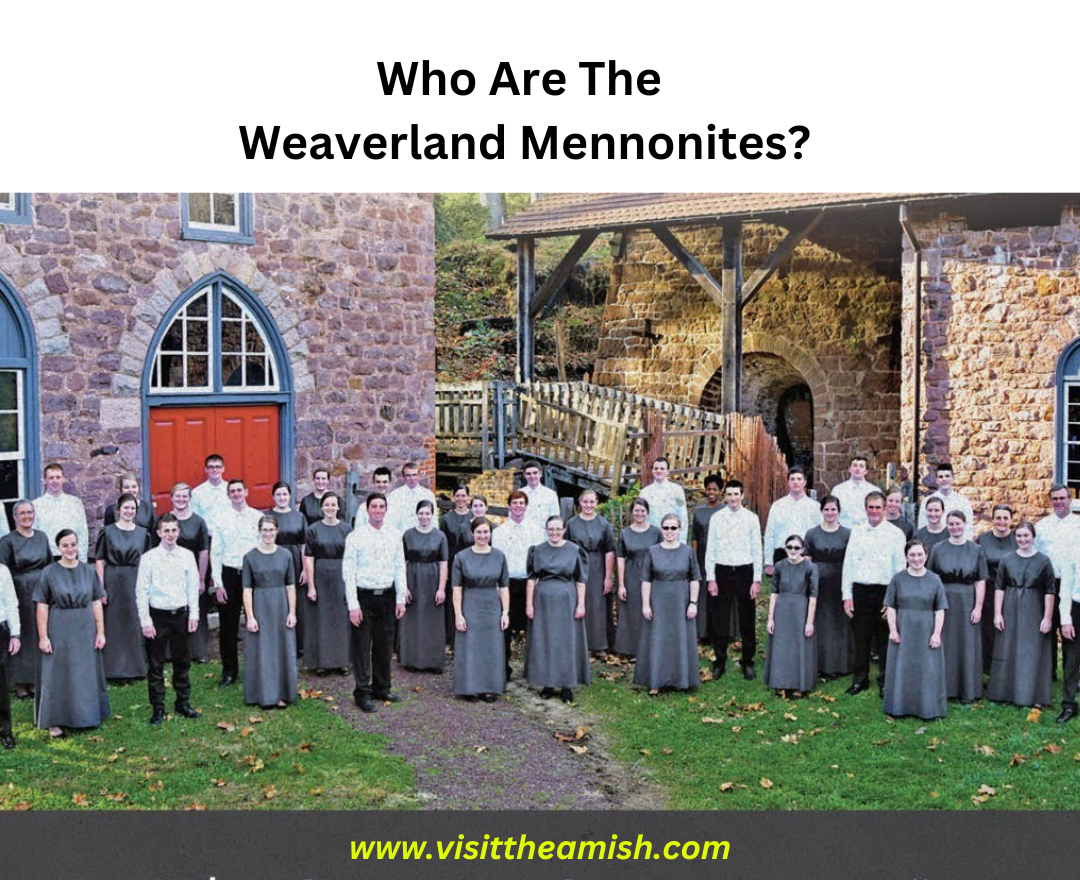
The Weaverland group is a subgroup of the Old Order Mennonite community, known for their adherence to traditional Mennonite beliefs and practices. They are often referred to as the “Weaverland Old Order Mennonites” or simply “Weaverland Mennonites”. They are similar to other Old Order Mennonite groups, such as the “black bumper” Mennonites, in that they reject many aspects of modern technology and maintain a more traditional lifestyle.
The Weaverland Mennonites, also known as the Horse and Buggy Mennonites, originated in the late 19th century in Lancaster County, Pennsylvania, USA. They are a subgroup of the Old Order Mennonite church.
One of the defining characteristics of the Weaverland Mennonites is their adherence to traditional Mennonite beliefs and practices. This includes a strong emphasis on community, simplicity, humility, and nonconformity to the world. They also adhere to traditional Mennonite teachings such as adult baptism, nonviolence, and separation from the world.
Another defining characteristic of the Weaverland Mennonites is their rejection of modern technology. Like other Old Order Mennonite groups, they avoid using electricity and automobiles, and often live without modern conveniences such as telephone and internet. They also tend to dress in plain clothing, without ornamentation or bright colors, and limit education to primary education. This is in line with their belief in simplicity and humility and the rejection of modern distractions.
Despite their rejection of modern technology, the Weaverland Mennonites are not isolated from the broader society. They often participate in the local economy and maintain relationships with non-Mennonite neighbors and businesses. However, they do maintain a strong sense of community and tend to rely on each other for support and assistance. They also have close relationships with their church, which is a central part of their community and daily lives.
The Weaverland Mennonite community is known for its strong sense of tradition and continuity with the past. Their beliefs and practices have been passed down through generations, and they continue to maintain a strong connection to their Anabaptist heritage. This continuity with the past is a key aspect of their identity and helps to define them as a distinct subgroup within the Mennonite community.
In conclusion, The Weaverland group is a subgroup of the Old Order Mennonite community known for their adherence to traditional Mennonite beliefs and practices, rejection of modern technology, and strong sense of community. They participate in the local economy and maintain relationships with non-Mennonite neighbors and businesses, but they rely on each other for support and assistance. They dress in plain clothing and limit education to primary education. They also have close relationship with their church which is a central part of their community and daily lives.
Sources:
“The Weaverland Conference: A Study of a Conservative Old Order Mennonite Group” by J. Howard Kauffman
“Anabaptist World USA” by Donald B. Kraybill and C. Nelson Hostetter
“The Riddle of Amish Culture” by Donald B. Kraybill
Savor the Fresh and Flavorful Amish No-Mayonnaise Herbed Potato Salad. Indulge in a tangy and delicious potato salad that is bursting with fresh flavor.
This Amish recipe features tender boiled potatoes that are combined with a mixture of herbs, including chives, parsley, and dill. The result is a light and flavorful potato salad that is perfect for summer barbecues and picnics.
The absence of mayonnaise in this recipe makes it a healthy and satisfying alternative, sure to satisfy even the most discerning palate. The combination of herbs and potatoes creates a taste experience that is fresh, bright, and simply irresistible.
Ingredients
2 pounds small red or white potatoes, cut into pieces
Cook the potatoes in salted, boiling water until tender, about 5 to 7 minutes.
Drain, reserving 1/4 cup of the cooking water.
Put the hot potatoes into a large bowl.
Put the olive oil, parsley, dill, green onions, lemon juice, mustard and garlic into a blender. Season with freshly ground black pepper. Pulse until herbs are chopped.
Add the cooking water and continue to pulse until just blended.
Pour the dressing over the potatoes. Toss to coat.
Let the potatoes sit about 10 to 15 minutes to soak up the dressing.
Fold in the celery, 1/4 cup chopped green onions, 1 tablespoon parsley and 1 tablespoon dill.
The Amish are a religious group known for their traditional way of life and strong sense of community. They value simplicity, humility, and a strong connection to God. One of the key elements of the Amish lifestyle is the emphasis placed on certain virtues, which are considered essential for living a good and moral life.
Respect For Authority
One of the most important virtues among the Amish is respect for authority. The Amish believe that authority is a gift from God and that it is necessary for maintaining order and harmony within the community. Children are taught from a young age to respect their parents and elders, and to obey the rules of the community. This respect for authority extends to all aspects of life, including work, church, and family.
The Amish teach respect for authority through a combination of teachings from the Bible, community customs, and daily interactions. Children are taught to respect their parents, elders, and other leaders within the community. This respect is demonstrated through obedience, deference, and a willingness to submit to the authority figures in their lives.
One example of the Amish demonstrating respect for authority is during the trial of the shooter in the 2006 Amish school shooting. Despite the tragic loss of their loved ones, the Amish community publicly forgave the shooter, Charles Roberts, and offered support to his family. They also reached out to the Roberts family and attended his funeral, demonstrating their belief in the importance of forgiveness and the value of showing compassion even towards those who have caused them harm.
Another example is when an Amish community had to deal with a barn that was destroyed by fire. The community leaders came together and discussed a plan of action to rebuild the barn. The members of the community had to follow the leaders’ instructions, and they worked together to rebuild the barn in a short period of time. This demonstrates how the Amish community follows the authority figures in their community, even in difficult situations.
In addition, Amish children are taught to respect the laws of the land, even if they disagree with them. They do not engage in protests or political activities, they willingly pay taxes and obey the laws of the government, again, demonstrating their respect for authority.
Overall, the Amish view respect for authority as a fundamental virtue that is necessary for maintaining order and harmony within the community. They believe that authority is a gift from God and that it is necessary for living a good and moral life.
Amish Life
Hard Work & Diligence
Hard work and diligence are also highly valued among the Amish. The Amish believe that work is a gift from God and that it is a means of glorifying Him. They place a strong emphasis on manual labor and self-sufficiency, and believe that through hard work and perseverance, one can achieve great things.
The Amish value hard work and diligence as important virtues that are necessary for leading a fulfilling and productive life. From a young age, Amish children are taught the importance of hard work and are expected to contribute to the community through their labor. This includes participating in farming, construction, and other manual labor tasks.
One example of how the Amish families manage their farms. They work hard to take care of their land, animals, and crops, often from dawn to dusk, and they take pride in the fruits of their labor. They practice traditional farming methods, such as using horse-drawn plows and hand tools, which require a significant amount of physical labor.
In addition, the Amish value honesty and integrity, which is demonstrated through their work ethic. They are committed to doing the best job possible, even if it means putting in extra effort, and they take pride in their work. They believe that hard work and diligence are not only necessary for their livelihood but also for their spiritual growth.
Overall, the Amish view hard work and diligence as virtues that are essential for leading a fulfilling and meaningful life. They believe that through hard work and diligence, one can achieve a sense of purpose and contribute to the well-being of the community.
Honesty & Integrity
Honesty and integrity are also important virtues among the Amish. They believe that honesty is the foundation of all relationships and that it is essential for building trust within the community. Children are taught to be truthful and to take responsibility for their actions.
The Amish value honesty and integrity as important virtues that are necessary for living a moral and ethical life. They believe that honesty and integrity are essential for building trust and maintaining relationships within the community. From a young age, Amish children are taught the importance of being truthful and honest in their interactions with others.
One example of the Amish demonstrating honesty and integrity is in their business practices. The Amish are known for their commitment to honesty and integrity in their business dealings. They are known to be fair and honest in their transactions and they keep their promises. They believe that honesty and integrity are essential for building trust with their customers and maintaining a good reputation.
Another example of this virtue is how the Amish take care of their land. They believe in using sustainable farming practices and they make sure that their land is not overworked or overused. They also keep accurate records of their land and animals to ensure that they are not taking more than what is fair. They are known for their commitment to maintaining the integrity of their land and preserving it for future generations.
In addition, the Amish place a strong emphasis on living a simple and modest life, which is reflected in their dress code and the way they live. They believe that living a simple and modest life is an expression of honesty and integrity. They believe that by avoiding the trappings of materialism, they are able to remain true to themselves and their values.
Overall, the Amish view honesty and integrity as essential virtues that are necessary for leading a moral and ethical life. They believe that by being truthful and honest in their interactions with others, they can build trust and maintain strong relationships within the community.
Self-reliance & Self-control
Amish Laundry
Self-reliance and self-control are also important virtues among the Amish. They believe that it is important to be able to take care of oneself and to make good decisions. Children are taught to be independent and to take responsibility for their own actions.
The Amish value self-reliance and self-control as important virtues that are necessary for leading a responsible and disciplined life. They believe that by being self-reliant and able to control one’s emotions, one can make better decisions and navigate life’s challenges. From a young age, Amish children are taught the importance of being independent and responsible for their actions.
One example of the Amish demonstrating self-reliance and self-control is in their approach to problem-solving. The Amish have a strong sense of community and they rely on one another for support and guidance. However, they also believe in being self-reliant and solving problems on their own. They are taught to think critically and to be resourceful in finding solutions to problems.
Overall, the Amish view self-reliance and self-control as important virtues that are necessary for leading a responsible and disciplined life. They believe that by being self-reliant and able to control one’s emotions, one can make better decisions and navigate life’s challenges.
Humility & Modesty
Humility and modesty are also important virtues among the Amish. They believe that humility is the key to a good and meaningful life. Children are taught to be humble and to put the needs of others before their own.
Humility and modesty are central values in the Amish community. These values are taught through the community’s religious beliefs, practices, and way of life.
One example of how the Amish teach humility and modesty is through their practice of “plain dress.” This means that the Amish dress in a simple and unadorned manner, avoiding flashy or trendy clothing. This practice is meant to promote humility by discouraging vanity and pride in one’s appearance.
Another way the Amish demonstrate humility is through their practice of nonresistance, meaning they avoid physical confrontation and do not believe in violence. This is believed to promote humility by avoiding the pursuit of power and dominance over others.
Compassion & Charity
Hard Work
Compassion and charity are also important virtues among the Amish. They believe that it is important to be kind and compassionate to others, and to help those in need. Children are taught to be generous and to share with others.
The Amish teach compassion and charity through their religious beliefs and practices. They believe in living a simple and humble life, helping those in need, and treating others with kindness and respect.
The Amish belief in compassion and charity is rooted in the teachings of Jesus Christ, and they put these values into practice by helping those in need, being kind and respectful to others, and striving to live a simple and humble life.
Faith & Devotion To God
Faith and devotion to God are also important virtues among the Amish. They believe that faith is the foundation of all things and that it is essential for living a good and moral life. Children are taught to have faith in God and to follow His teachings.
Faith and devotion to God are central values in the Amish community, which are taught and reinforced through the community’s religious beliefs, practices, and way of life.
The Amish have a strong belief in the Bible, and they strive to live their lives according to its teachings. They attend church services every other Sunday, and also have a prayer before and after their meals. They also have a strong emphasis on living a pious life, and they are expected to follow a strict code of conduct, which is meant to reflect their devotion to God.
One specific way the Amish demonstrate faith and devotion to God is through their practice of “nonconformity” which means they avoid the trappings of modern society and strive to live a simple, pious life that is focused on God and community. They believe that by avoiding the materialism and distractions of modern life, they can better focus on their faith and their relationship with God.
Simplicity & Humility
Simplicity and humility are also important virtues among the Amish. They believe that simplicity is the key to a good and meaningful life. Children are taught to be simple and to put the needs of others before their own.
Simplicity and humility are closely related values in the Amish community and they are taught through the community’s religious beliefs, practices, and way of life. The Amish believe that living a simple and humble life is a way to show devotion to God and to avoid the distractions and temptations of the modern world.
One way the Amish teach simplicity is through their practice of “plain dress” which means they dress in a simple and unadorned manner, avoiding flashy or trendy clothing. This practice is meant to promote humility by discouraging vanity and pride in one’s appearance. They also practice simplicity in their daily lives by avoiding the use of modern technology and conveniences, such as electricity and cars, in order to maintain a simple way of life that is focused on God and community.
Simplicity and humility are closely related values in the Amish community, and they are taught and reinforced through the community’s religious beliefs, practices, and way of life. The Amish believe that living a simple and humble life is a way to show devotion to God and to avoid the distractions and temptations of the modern world.
Forgiveness & Patience
n BuildingAmish Bar
Forgiveness and patience are also important virtues among the Amish. They believe that it is important to forgive and to be patient with others. Children are taught to be forgiving and to be patient.
In October 2006, a shooting occurred at an Amish school in the Nickel Mines community of Bart Township, Lancaster County, Pennsylvania. The shooter, Charles Carl Roberts IV, entered the West Nickel Mines School and took hostages, before shooting and killing five schoolgirls aged 6–13 and injuring five others. He then committed suicide. The shooting was widely covered by the media and was met with shock and grief, both locally and nationally. The Amish community responded with forgiveness and compassion towards the shooter and his family, and provided support to the victims and their families. The Amish community also donated money and materials to help rebuild the school, and several families who lost children in the shooting took in children who were orphaned by the tragedy.
Responsibility & Accountability
Responsibility and accountability for one’s actions is also an important virtue among the Amish. They believe that it is important to take responsibility for one’s actions and to be accountable for them. Children are taught to be responsible and to take responsibility for their actions.
Responsibility and accountability are important values in the Amish community, which are taught and reinforced through the community’s religious beliefs, practices, and way of life. The Amish believe that taking responsibility for one’s actions and being accountable to God and to the community is essential to living a virtuous life.
One way the Amish teach responsibility is through their practice of “Ordnung” which is a set of unwritten rules and customs that govern the behavior and conduct of Amish individuals and families. The Ordnung ensures that everyone in the community is held to the same standards and is held accountable for their actions.
Another way the Amish teach responsibility is through their emphasis on hard work and self-sufficiency. The Amish believe that by working hard and being responsible for their own livelihood, they are demonstrating their accountability to God and to the community.
Conclusion
In conclusion, the Amish place a strong emphasis on virtues such as respect for authority, hard work and diligence, honesty and integrity, self-reliance and self-control, humility and modesty, compassion and charity, faith and devotion to God, simplicity and humility, forgiveness and patience, and responsibility and accountability for one’s actions. These virtues are considered essential for living a good and moral life and for maintaining harmony within the community.
ID used to identify users for 24 hours after last activity
24 hours
_gat
Used to monitor number of Google Analytics server requests when using Google Tag Manager
1 minute
_gali
Used by Google Analytics to determine which links on a page are being clicked
30 seconds
_ga_
ID used to identify users
2 years
__utmx
Used to determine whether a user is included in an A / B or Multivariate test.
18 months
_ga
ID used to identify users
2 years
__utmv
Contains custom information set by the web developer via the _setCustomVar method in Google Analytics. This cookie is updated every time new data is sent to the Google Analytics server.
2 years after last activity
__utmc
Used only with old Urchin versions of Google Analytics and not with GA.js. Was used to distinguish between new sessions and visits at the end of a session.
End of session (browser)
__utmz
Contains information about the traffic source or campaign that directed user to the website. The cookie is set when the GA.js javascript is loaded and updated when data is sent to the Google Anaytics server
6 months after last activity
__utmt
Used to monitor number of Google Analytics server requests
10 minutes
__utmb
Used to distinguish new sessions and visits. This cookie is set when the GA.js javascript library is loaded and there is no existing __utmb cookie. The cookie is updated every time data is sent to the Google Analytics server.
30 minutes after last activity
_gac_
Contains information related to marketing campaigns of the user. These are shared with Google AdWords / Google Ads when the Google Ads and Google Analytics accounts are linked together.