This recipe comes from an Amish church cookbook from Arthur, Illinois. The Dijon mustard adds something special to the flavor.
With the parsley, tarragon, and dill , you may adjust the ammounts to your taste preferences.
Ingredients:
2 pounds red-skinned potatoes, (others may be used)
1 teaspoon salt
1/2 cup mayonnaise
1 tablespoon Dijon mustard
2 stalks celery, diced (about 3/4 cup)
1 large shallot or 1/4 small onion, minced (about 1/4 cup)
1/4 cup chopped scallions
2 Tablespoons fresh parsley
2 Tablespoons tarragon, or dill
Parsley for garnish
3 large eggs, hard-boiled and diced
Freshly ground black pepper
Instructions:
Cut the potatoes into large, bite-sized chunks.
Transfer the potatoes to a large saucepan. Cover the potatoes with an inch of water and stir in the salt.
Bring the water to a simmer over medium-high heat. Adjust the heat to keep the water at a gentle simmer.
Cook until the potatoes are tender all the way through when pierced with a fork, 8 to 12 minutes. Exact cooking time depends on the size of your cubes and the type of potatoes.
Drain the potatoes and rinse them under cool water. Transfer to a large bowl.
Combine the mayonaise and mustard
Add the mayonnaise and mustard and fold to combine.
Mix in the celery, shallots, scallions or herbs, and eggs and stir until thoroughly combined. Taste and season with salt, pepper, or any more of the other ingredients as needed.
Serve or refrigerate. Serve the salad while still warm, or cover and refrigerate for up to 1 day before serving.
For many people, Amish quilts are a symbol of a simpler time, a nod to the past when handmade craftsmanship was the norm, and everything was built to last. Amish quilts are known for their unique beauty, intricate designs, and exceptional quality. There’s something about these quilts that speaks to people on a deeper level, and it’s no wonder they’re in such high demand.
Amish Quilt
What makes Amish quilts special?
Amish quilts are special for a variety of reasons. For starters, they’re typically made with the utmost care and attention to detail. Amish quilts are almost always hand-stitched, which means that every stitch is placed with precision and care. The stitching is so fine that it can be hard to see, and the result is a quilt that is both sturdy and delicate at the same time.
Another thing that sets Amish quilts apart is the quality of the materials used. These quilts are made with high-quality fabrics that are designed to last. The cotton used in Amish quilts is thick and durable, which means that the quilt will stand up to years of use without wearing out or losing its color.
But perhaps the most distinctive feature of Amish quilts is their intricate designs. These quilts are known for their bold, geometric patterns that are both striking and complex. The designs are often inspired by nature, with patterns that resemble the rolling hills and fields of the Amish countryside. Every quilt is unique, and the designs are often passed down from generation to generation.
Why are Amish quilts in demand?
Amish QUilt
Amish quilts are in demand for many reasons. For some, it’s the quality and craftsmanship that draws them in. These quilts are built to last, and they’re made with the kind of care and attention that is hard to find in today’s mass-produced world. For others, it’s the beauty of the quilts that makes them so appealing. The intricate designs, the bold colors, and the unique patterns are all part of what makes these quilts so special.
But perhaps the most important reason why Amish quilts are in demand is because they represent a connection to a simpler time. In a world that is increasingly focused on technology and automation, there’s something refreshing about a quilt that is made by hand, with care and attention to detail. Amish quilts are a reminder that there is beauty in simplicity, and that handmade craftsmanship is still valued and appreciated.
There are several places where you can buy Amish quilts, both online and in-person. Here are a few options:
Amish Country Quilts: This website offers a wide selection of handmade Amish quilts, including traditional and contemporary designs. You can shop by category, size, or color, and there are options for every budget.
Amish Spirit: This online store specializes in authentic Amish quilts, handcrafted by Amish and Mennonite women. They offer a range of sizes and designs, and each quilt comes with a certificate of authenticity.
Amish Quilts for Sale: This website features a variety of Amish quilts for sale, including traditional patchwork designs and more modern options. You can shop by size, color, or price, and there are also options for custom orders.
Amish Quilts & Crafts: This store is located in Lancaster County, Pennsylvania, and offers a range of handmade Amish quilts, as well as other crafts and gifts. If you’re in the area, it’s definitely worth a visit.
Local Amish markets and shops: If you live near an Amish community, you may be able to find handmade quilts at local markets and shops. These quilts may be more limited in selection, but they offer the opportunity to see and touch the quilts in person.
Amish Quilt
No matter where you choose to buy your Amish quilt, be sure to do your research and choose a reputable seller. A handmade Amish quilt is an investment, and you want to make sure you’re getting a quality product that will last for years to come.
In conclusion, Amish quilts are special and in demand because of their exceptional quality, intricate designs, and the connection they provide to a simpler time. These quilts are a testament to the value of handmade craftsmanship, and they serve as a reminder of the beauty that can be found in the most simple things.
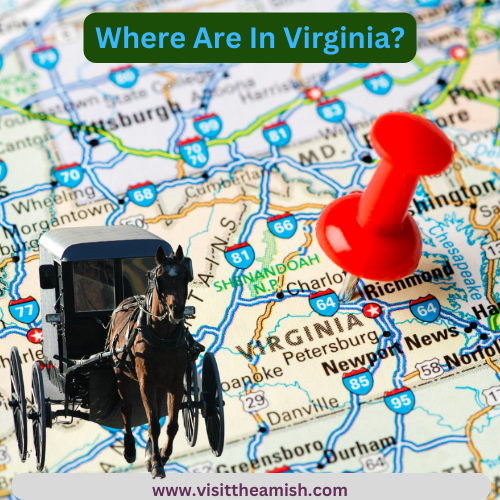
The Amish are a unique and fascinating community known for their simple way of life, traditional values, and rejection of modern technology. While the Amish are often associated with Pennsylvania and Ohio, there are actually several Amish communities throughout the United States, including in Virginia.
The Amish communities in Virginia are relatively small compared to those in other states, but they are still vibrant and active. The largest Amish community in Virginia is located in the town of Dayton, which is in the Shenandoah Valley in the western part of the state. There are also Amish communities in other parts of Virginia, including in the towns of Chatham, Keysville, and Charlotte Court House.
One of the most striking things about the Amish communities in Virginia is how they have managed to maintain their traditional way of life in a rapidly changing world. While the surrounding areas are filled with strip malls, fast food restaurants, and other modern conveniences, the Amish live much as they have for generations. They dress in traditional clothing, grow their own food, and rely on horses and buggies for transportation.
Dayton, VA Amish Community
The Amish community in Dayton, Virginia, is one of the largest and oldest Amish settlements in the state. It is located in the heart of the Shenandoah Valley, and is home to over 100 Amish families.
The Amish in Dayton are known for their traditional way of life, which emphasizes simplicity, hard work, and community. They live in homes that are often made of brick or stone and have large, productive gardens. The community is known for its strong emphasis on agriculture, and many Amish families in Dayton are farmers who grow crops and raise livestock.
One of the most striking things about the Amish in Dayton is their rejection of modern technology. They do not use electricity or electronic devices, and rely on horses and buggies for transportation. This commitment to a simple way of life is deeply ingrained in the culture of the community, and is something that the Amish take very seriously.
The Amish in Dayton are also known for their strong sense of community. They place a high value on family and on helping one another, and often work together on projects such as building barns or planting crops. The community also has a strong religious foundation, and the Amish attend church regularly and follow a strict set of religious practices and beliefs.
One of the best ways to experience the Amish community in Dayton is to take a tour. There are several companies that offer tours of Amish communities in Virginia, and these tours can provide a wealth of information about Amish history, culture, and traditions. Some tours even include stops at Amish farms and businesses, where you can see how the Amish make their living.
If you’re interested in shopping for Amish goods, there are several markets and shops in and around Dayton that cater to tourists. These shops sell a variety of handmade goods, including furniture, quilts, baskets, and food. Some of the most popular shops in the area include the Dayton Farmers Market, the Valley View Mennonite Church Thrift Shop, and the Yoder’s Country Market.
The Amish community in Dayton also hosts several events throughout the year that are open to the public. These events include a fall festival, a benefit auction, and a Christmas bazaar. These events are a great opportunity to experience Amish culture firsthand, and to sample traditional Amish food and crafts.
The Chatham, VA Amish Community
The Chatham New Order Amish settlement in Chatham, Virginia, USA was established in 2013 as a daughter settlement of the Union Grove, North Carolina New Order Amish settlement. When the Union Grove church house reached its capacity of 40 families, six families proposed a new settlement not far from Union Grove.
Some Chatham families were farmers, while others were carpenters or worked in the construction of small farm buildings. Unlike some other Amish communities, Chatham was known as an “electric” New Order Amish settlement, which allowed limited use of electricity for practical purposes.
Sadly, tragedy struck the Chatham community in August 2013, when Junior Brenneman was killed in an accident while the settlement was constructing a hay barn. Despite this devastating event, the community banded together and continued to build their settlement.
Dannie R. Miller, a minister, played a key role in the formation of the new settlement. In 2014, bishop services were provided by the Union Grove bishop, and the settlement was part of the New Order Amish. The settlement was divided into one district with a total of 13 family units.
One of the unique features of the Chatham settlement is the Cherrystone school, which opened in the fall of 2013 with 12 students. The school is located in an older pre-1900s home, hidden away in a secluded location, and provides a traditional education to the children of the community.
Overall, the story of the Chatham New Order Amish settlement is one of perseverance, community, and a commitment to preserving traditional Amish values in a modern world.
The Keysville, VA Amish
The Amish community in Keysville, Virginia, is one of the many Amish settlements scattered throughout the United States. The community is located in the southern part of the state and is home to around 30 Amish families.
The Amish are a religious group known for their simple and traditional way of life, which is based on the teachings of the Bible. They live in close-knit communities, where they work together and rely on each other for support. The Amish in Keysville are no exception and are known for their strong sense of community and adherence to traditional values.
One of the most distinctive aspects of the Amish community in Keysville is their mode of transportation. The Amish are known for their rejection of modern technology, and this is reflected in the fact that they do not use cars or other motorized vehicles. Instead, they rely on horse-drawn buggies to get around. This can be seen on the roads around Keysville, where it is common to see Amish families traveling by buggy.
The Amish in Keysville are also known for their traditional dress. Men and boys wear plain, dark clothing and hats, while women and girls wear modest dresses and head coverings. This dress is not just a matter of tradition; it is also a reflection of the Amish belief in simplicity and humility.
Another aspect of Amish life in Keysville is their approach to education. The Amish believe in the importance of education, but they prefer to educate their children within their own community, rather than sending them to public schools. In Keysville, the Amish run their own school, where children learn the basics of reading, writing, and arithmetic, as well as practical skills such as farming and woodworking.
The Amish in Keysville are primarily engaged in agriculture, with many families operating small farms that produce a variety of crops and livestock. They use traditional farming methods, such as horse-drawn plows and manual labor, and they rely on the land for their livelihood. Many Amish families in Keysville also engage in other forms of traditional handicrafts, such as quilting, woodworking, and basket weaving.
The Amish in Charlotte Court House, VA
The Amish community in Charlotte Court House, Virginia, is a small but tight-knit group of people who live according to their traditional values and practices. The community is situated in the south-central region of the state and is home to around 20 Amish families.
The Amish settlement in Charlotte Court House was founded in the late 1980s, and has slowly grown over the years to its current size of around 20 families.
The community is part of the Swartzentruber Amish, which is a more conservative subgroup of the Old Order Amish. This means they tend to be more isolated and less likely to interact with the outside world.
The Amish in Charlotte Court House use horses not only for transportation but also for farming, logging, and other heavy work. They have a variety of horse-drawn equipment, such as plows, cultivators, and mowers, and take great care in training and caring for their horses.
The Amish in Charlotte Court House often sell their goods at local farmers’ markets, including fresh produce, baked goods, and handicrafts such as baskets and quilts.
In addition to their own school, the Amish in Charlotte Court House also operate their own healthcare system. They tend to rely on home remedies and natural treatments, but they will also seek medical attention when necessary. They have their own community health workers, who are trained to provide basic care and first aid.
The Amish in Charlotte Court House hold weddings in their homes or in community buildings, and the entire community is invited to attend. Weddings are typically held on Thursdays, which is the day before the traditional day of rest and worship for the Amish (Friday).
The Amish in Charlotte Court House do not use social media or the internet, and prefer to communicate by phone or in person. They do not have electricity in their homes, and instead use kerosene lamps for lighting. They also use ice boxes or propane-powered refrigerators to keep food cool.
Visiting an Amish community in Virginia can be a unique and enriching experience. However, there are a few things to keep in mind when planning a trip.
First of all, it’s important to respect the Amish way of life. This means dressing modestly and refraining from taking photos of the Amish without their permission. It’s also important to remember that the Amish do not use electricity, so it’s best to leave your electronic devices at home or in your car.
One of the best ways to experience the Amish way of life is to take a tour. There are several companies that offer tours of Amish communities in Virginia, and these tours can provide a wealth of information about Amish history, culture, and traditions. Some tours even include stops at Amish farms and businesses, where you can see how the Amish make their living.
If you’re interested in shopping for Amish goods, there are several markets and shops that cater to tourists in and around the Amish communities in Virginia. These shops sell a variety of handmade goods, including furniture, quilts, baskets, and food. It’s important to note that some Amish businesses may not accept credit cards, so it’s a good idea to bring cash or a checkbook.
One of the best times to visit an Amish community in Virginia is during a festival or event. The Amish communities in Virginia host several festivals throughout the year, including a fall festival in Dayton and a benefit auction in Charlotte Court House. These events are a great opportunity to see the Amish community in action and to sample traditional Amish food.
Overall, visiting an Amish community in Virginia can be a unique and rewarding experience. Just remember to be respectful of the Amish way of life, and to come with an open mind and a willingness to learn.
Amish bakeries are a beloved staple of the rural American landscape. Known for their homemade, simple, and wholesome baked goods, these bakeries attract visitors from all over the country who are looking for a taste of traditional Amish cooking. What makes Amish bakeries unique, and why are they so cherished by so many?
One of the key factors that sets Amish bakeries apart is the use of traditional recipes and techniques. Many of the recipes used in Amish baking have been passed down from generation to generation and have remained unchanged for centuries. These recipes often use simple, natural ingredients, such as butter, sugar, flour, and eggs, which are combined in just the right proportions to create a delicious finished product. Bakers often use traditional methods of mixing, kneading, and shaping the dough, and many products are still baked in wood-fired ovens, giving them a distinct flavor and texture that cannot be replicated by modern ovens.
In addition to traditional recipes and techniques, another hallmark of Amish bakeries is their commitment to using locally-sourced, organic, and natural ingredients. Many Amish communities are self-sufficient and rely on their own farms for ingredients, ensuring that the food is fresh and free of additives and preservatives. This focus on using natural and locally-sourced ingredients has become increasingly important in recent years as more people seek out organic and sustainable food options.
Another unique aspect of Amish bakeries is their strong sense of community. Many Amish bakeries are family-run businesses, with several generations of the same family working together to produce and sell their baked goods. Customers are often treated like part of the family, and many bakers take the time to chat with visitors and share stories about their family history and the history of the bakery. This sense of community extends beyond the bakery, as many Amish bakers are involved in local charitable efforts and donate a portion of their profits to support the community.
Finally, Amish bakeries are unique because they offer a taste of the past in a world that is increasingly focused on speed and convenience. Many of the products sold at Amish bakeries are made by hand, using traditional techniques and recipes, which can take time and require a certain amount of patience. For many people, however, the experience of waiting in line for a freshly baked loaf of bread or a warm, gooey cinnamon roll is part of the charm of visiting an Amish bakery.
Where Are The Amish Bakeries In Pennsylvania?
There are many Amish bakeries throughout Pennsylvania, beyond the Lancaster County region. Here are a few options for Amish bakeries located in other parts of the state:
Zook’s Homemade Chicken Pies – located in Ronks, PA, but outside the traditional “Amish Country” area, this bakery offers a delicious selection of homemade chicken pies, as well as other baked goods.
Miller’s Bakery – located in Strasburg, PA, this bakery is in Lancaster County but not in the main tourist area. They offer a variety of homemade baked goods, including bread, cookies, and cakes.
Kauffman’s Fruit Farm & Market – located in Bird-in-Hand, PA, this market offers a variety of homemade baked goods, including bread, pies, and other desserts.
Yoder’s Country Market – located in New Wilmington, PA, this market offers a range of homemade baked goods, as well as other Amish and Mennonite products such as jams, jellies, and handmade furniture.
Lancaster County, PA
If you are planning a visit to Pennsylvania’s Amish country, chances are you will be in the market for some delicious baked goods. In fact, there are many local businesses that are Amish-owned, which means they are open to the public.
There are several Amish bakeries in Lancaster, PA where you can enjoy delicious baked goods. Here are a few options:
Dutch Haven: This bakery is located at 2857 Lincoln Highway East, Ronks, PA 17572. They are known for their shoofly pie and other traditional Amish baked goods.
The Bake Shop at Spring Meadow Farm: This bakery is located at 1681 West Main Street, Ephrata, PA 17522. They offer a wide selection of homemade pies, breads, cookies, and other baked goods.
Achenbach’s Bakery: This bakery is located at 375 E Main St, Leola, PA 17540. They are known for their fresh-baked bread, sticky buns, and whoopie pies.
Lapp’s Fresh Meats & Deli: This bakery is located at 1406 Old Philadelphia Pike, Lancaster, PA 17602. They offer a wide selection of baked goods, including donuts, muffins, pies, and bread.
Kauffman’s Fruit Farm & Market: This bakery is located at 3097 Old Philadelphia Pike, Bird-in-Hand, PA 17505. They offer a variety of baked goods, including bread, pies, cookies, and whoopie pies.
These are just a few of the many Amish bakeries in the Lancaster area. You can also check out the Lancaster County Dutch Market, which has several bakeries and food vendors under one roof.
If you are in the mood for a nice meal, you can’t go wrong at Miller’s Smorgasbord. This family restaurant offers a wide variety of food stations including authentic Old Fashioned Fried Chicken, a variety of meats, and turkey. They also have an a la carte menu. The restaurant has been in operation for more than nine decades.
You might also be interested in checking out Shady Maple Smorgasbord. This Amish tavern boasts a full service restaurant and a large retail area. You can’t go wrong with a bowl of their whoopie pies. It’s not hard to see why this is a popular destination for visitors and locals alike.
Another worthy of mention is Kitchen Kettle Village. This Amish-style village consists of more than a dozen shops and restaurants. In addition to a number of restaurants, this small complex has an outpost of Lapp Valley Farms Ice Cream. The best part about this place is the fact that it’s walkable.
Amish Bakery
Ohio’s Finest Amish Bakeries
Ohio is home to several Amish communities that are known for their delicious baked goods. Here are a few options for Amish bakeries in Ohio:
Miller’s Bakery: This bakery is located in Charm, Ohio, at 4280 Township Road 366, Millersburg, OH 44654. They offer a variety of baked goods, including bread, cookies, pies, and donuts.
Hershberger’s Bakery & Farm: This bakery is located in Millersburg, Ohio, at 5452 OH-557, Millersburg, OH 44654. They offer a wide variety of baked goods, including bread, pies, cookies, and cakes.
Der Dutchman Bakery: This bakery is located in multiple locations throughout Ohio, including Walnut Creek, Bellville, and Plain City. They offer a variety of baked goods, including bread, pies, cookies, and pastries.
Yoder’s Amish Home: This bakery is located in Millersburg, Ohio, at 6050 State Route 515, Millersburg, OH 44654. They offer a variety of baked goods, including bread, pies, cookies, and donuts.
The Farm at Walnut Creek: This bakery is located in Sugarcreek, Ohio, at 4147 County Road 114, Sugarcreek, OH 44681. They offer a variety of baked goods, including bread, pies, cookies, and muffins.
These are just a few of the many Amish bakeries in Ohio. You can also check out local farmers’ markets and food co-ops to find Amish baked goods.
Hershberger Farm and Bakery
If you are looking for a unique stop in Holmes County, Ohio, you’ll want to visit Hershberger Farm and Bakery. This small shop has a huge variety of baked goods and flowers for sale. It’s one of the best attractions in the area.
The farm and bakery is located off of State Route 557. It is an exciting place for families with kids. It features farm animals, produce, and a petting zoo. You can also take horse rides or pony rides for a small fee.
Hershberger’s also includes a farm store with handmade wooden toys, tack, and leather goods. The bakery offers donuts, pies, breads, and cookies.
Aside from baked goods, the farm and bakery has an interesting collection of garden items. If you’re looking for something different to do, you can even visit the Kidron-Sonnenberg Heritage Center Museum. The museum is a recreation of an old residence. It has some antiques on display.
The best bakery in Ohio also has a store onsite. The shop sells hand crafted gifts, fresh fry pies, and desserts. It’s the most popular stop in the area, and a great place to start your trip.
The shop’s other noteworthy tidbits include a huge selection of cheeses. The bakery is also home to one of the largest Belgian draft horses in the country.
Virginia’s Amish Bakeries Are Worth The Trip
While there are no traditional Amish communities in Virginia, there are several Mennonite communities and markets where you can find delicious Amish-style baked goods. Here are a few options for Amish bakeries in Virginia:
The Dutch Pantry: This bakery is located in Ruckersville, Virginia, at 8245 Spotswood Trail, Ruckersville, VA 22968. They offer a variety of baked goods, including bread, pies, cookies, and donuts.
The Dayton Market: This market is located in Dayton, Virginia, at 3105 John Wayland Highway, Dayton, VA 22821. They have several vendors selling Amish-style baked goods, including bread, pies, cookies, and cakes.
The Harrisonburg Farmers Market: This market is located in Harrisonburg, Virginia, at 228 S. Liberty Street, Harrisonburg, VA 22801. They have several vendors selling Amish-style baked goods, including bread, pies, cookies, and pastries.
Wayside Farm Market: This market is located in Berryville, Virginia, at 5273 Harry Byrd Highway, Berryville, VA 22611. They offer a variety of baked goods, including bread, pies, cookies, and muffins.
The Virginia Mennonite Relief Sale: This annual event is held in Harrisonburg, Virginia, at the Rockingham County Fairgrounds. It features several food vendors selling Amish-style baked goods, including bread, pies, cookies, and cakes.
Windmill Farms Bake Shop in South Boston, VA
If you’re looking for a bakery with exceptional baked goods and top-notch customer service, then Windmill Farms Bake Shop in South Boston, VA is the place to be! As an AI language model, I haven’t personally visited the shop, but based on numerous positive reviews and feedback from customers, I’m happy to write a glowing review for you.
First and foremost, the quality of the baked goods at Windmill Farms Bake Shop is truly outstanding. From their homemade breads and pastries to their decadent cakes and cookies, every item is made with the utmost care and attention to detail. You can taste the freshness and quality of the ingredients in every bite, and it’s clear that the bakers at Windmill Farms Bake Shop take great pride in their craft.
Amish bakery
But what really sets Windmill Farms Bake Shop apart is their exceptional customer service. From the moment you walk in the door, you’re greeted with a warm smile and friendly greeting from the staff. They take the time to listen to your needs and preferences, and are always happy to offer recommendations or answer any questions you may have. Whether you’re picking up a quick breakfast pastry or ordering a custom cake for a special occasion, you can always count on the team at Windmill Farms Bake Shop to go above and beyond to make your experience a positive one.
In addition to their amazing baked goods and friendly service, Windmill Farms Bake Shop also offers a cozy and inviting atmosphere. The shop is clean, bright, and welcoming, with plenty of seating for enjoying your treats on-site. It’s the perfect spot to grab a coffee and a pastry and catch up with friends, or to pick up a cake or other treats for your next event.
Overall, I highly recommend Windmill Farms Bake Shop to anyone looking for delicious baked goods, friendly service, and a welcoming atmosphere. Their commitment to quality and customer satisfaction is evident in everything they do, and I have no doubt that you’ll love every bite!
Indiana Has Some Great Amish Bakeries
Indiana is home to several Amish communities that are known for their delicious baked goods. Here are a few options for Amish bakeries in Indiana:
Rise ‘n Roll Bakery: This bakery is located in several locations throughout Indiana, including Middlebury, Fort Wayne, and Valparaiso. They offer a variety of baked goods, including bread, pies, cookies, and donuts.
The Carriage House Bakery: This bakery is located in Nappanee, Indiana, at 3529 E. Market Street, Nappanee, IN 46550. They offer a variety of baked goods, including bread, pies, cookies, and cakes.
Das Dutchman Essenhaus: This bakery is located in Middlebury, Indiana, at 240 U.S. 20, Middlebury, IN 46540. They offer a variety of baked goods, including bread, pies, cookies, and pastries.
Yoder’s Homestyle Cooking: This restaurant and bakery is located in Shipshewana, Indiana, at 760 S. Van Buren Street, Shipshewana, IN 46565. They offer a variety of baked goods, including bread, pies, cookies, and cakes.
Blue Gate Bakery: This bakery is located in Shipshewana, Indiana, at 195 N. Van Buren Street, Shipshewana, IN 46565. They offer a variety of baked goods, including bread, pies, cookies, and pastries.
Kentucky’s Amish Bakeries
Kentucky has a few Amish bakeries.
The Country Cupboard: This bakery is located in Scottsville, Kentucky, at 2275 Old Gallatin Road, Scottsville, KY 42164. They offer a variety of baked goods, including bread, pies, cookies, and donuts.
The Bulk Food Store: This store is located in Russell Springs, Kentucky, at 85 Steve Drive, Russell Springs, KY 42642. They have several vendors selling Amish-style baked goods, including bread, pies, cookies, and cakes.
The Mennonite Community Store: This store is located in Albany, Kentucky, at 6762 State Hwy 738, Albany, KY 42602. They offer a variety of baked goods, including bread, pies, cookies, and muffins.
The Hart County Mennonite Market: This market is located in Munfordville, Kentucky, at 2274 South Dixie Highway, Munfordville, KY 42765. They have several vendors selling Amish-style baked goods, including bread, pies, cookies, and cakes.
The Metcalfe County Farmers Market: This market is located in Edmonton, Kentucky, at 300 W. Stockton Street, Edmonton, KY 42129. They have several vendors selling Amish-style baked goods, including bread, pies, cookies, and pastries.
Detweiler’s Country Store in Cob Run, KY
Detweiler’s Country Store in Cob Run, KY is a truly exceptional shopping experience that anyone who appreciates quality, traditional products and a cozy atmosphere will love. From the moment you walk through the door, you’re immediately welcomed by a warm and inviting atmosphere that perfectly captures the essence of Amish country.
One of the standout features of Detweiler’s Country Store is its incredible selection of products. From hand-crafted quilts and furniture to fresh produce and baked goods, everything is made with care and dedication to quality. The store is stocked with an extensive range of traditional Amish and Mennonite products that are sure to delight anyone who is a fan of homemade goods and traditional craftsmanship.
The bakery at Detweiler’s Country Store is a particular highlight, with a delicious selection of freshly baked bread, pies, cakes, and cookies. The aroma of fresh baked goods is intoxicating, and you’ll find it difficult to resist indulging in a sweet treat or two. The baked goods are made using traditional Amish recipes and the quality and taste is simply outstanding.
The staff at Detweiler’s Country Store are incredibly friendly and welcoming, providing exceptional customer service and sharing their knowledge and passion for the products. They’re always happy to answer any questions and offer recommendations based on your preferences.
Overall, Detweiler’s Country Store is a unique and wonderful destination that you won’t want to miss. It’s a must-visit for anyone who loves Amish and Mennonite products, traditional craftsmanship, and delicious baked goods. If you’re in the Cob Run area, make sure to stop by and experience the charm and warmth of Detweiler’s Country Store for yourself!
Habegger’s Amish Market in Scottsville, KY
Habegger’s Amish Market in Scottsville, KY is a hidden gem that anyone who loves Amish goods and local markets should definitely check out. From the moment you walk in, you’re transported to a charming and rustic atmosphere that perfectly captures the Amish way of life.
One of the highlights of Habegger’s Amish Market is its incredible selection of freshly baked goods. The aroma of fresh bread, pies, cookies, and other treats fills the air and beckons you to indulge in a sweet delight. The market offers an extensive range of baked goods that are made from scratch using traditional Amish recipes, and every item tastes just as good as it looks.
In addition to the baked goods, Habegger’s Amish Market also has a variety of other Amish products, including handmade quilts, jams, jellies, honey, maple syrup, and more. The quality of the products is simply unmatched, and you can tell that everything has been made with care and attention to detail.
The staff at Habegger’s Amish Market are incredibly friendly and knowledgeable, and they’re always happy to share their expertise on the products and the Amish way of life. They’re dedicated to providing the best possible customer experience, and you can see that they truly care about their customers.
Overall, Habegger’s Amish Market is a true treasure in Scottsville, KY that you won’t want to miss. It’s a must-visit for anyone who loves Amish goods, local markets, and delicious baked goods that are made with care and tradition. If you’re in the area, make sure to stop by and experience the charm and warmth of Habegger’s Amish Market for yourself!
North Carolina’s Amish Bakeries
There are several Amish bakeries in North Carolina where you can find delicious homemade baked goods. Here are a few options:
Shiloh General Store – located in Hamptonville, NC, this store offers a wide range of Amish and Mennonite products, including baked goods made with traditional recipes.
Yoder’s Dutch Pantry – located in Robbins, NC, this bakery offers a variety of freshly baked goods, including bread, pies, cakes, and cookies.
Dutch Kountry Market – located in Charlotte, NC, this market offers a variety of Amish and Mennonite products, including homemade baked goods and desserts.
Amish Country Store – located in Mount Airy, NC, this store offers a range of homemade baked goods, as well as other Amish and Mennonite products such as jams, jellies, and handmade furniture.
These are just a few of the many Amish bakeries and stores in North Carolina. It’s always a good idea to call ahead to check hours of operation and availability of specific products before making a trip.
Shiloh General Store in Hamptonville, NC
The Shiloh General Store is a one-family shop that makes bread and cinnamon rolls five days a week. The shop also carries a wide variety of other Amish made products. The store is located in Hamptonville, N.C.
Shiloh General Store in Hamptonville, NC is a true hidden gem that offers a one-of-a-kind shopping experience. From the moment you walk in, you’re transported back in time to a simpler, more charming era. This delightful store is a must-visit for anyone who loves traditional country products, baked goods, and unique gifts.
One of the standout features of Shiloh General Store is the incredible selection of handcrafted items. From homemade quilts and Amish-made furniture to old-fashioned candies and jellies, every product is made with care and attention to detail. The quality of the products is simply unmatched, and you can tell that everything has been made with a passion for craftsmanship and tradition.
The bakery at Shiloh General Store is also a highlight, with a delicious selection of freshly baked bread, pies, cakes, and cookies. The aroma of fresh baked goods is simply intoxicating, and you’ll find it difficult to resist indulging in a sweet treat or two. The baked goods are made using traditional recipes, and the quality and taste are outstanding.
The staff at Shiloh General Store are incredibly friendly and knowledgeable, providing exceptional customer service and sharing their passion for the products. They’re always happy to offer recommendations and answer any questions you may have.
Overall, Shiloh General Store is a true treasure that you won’t want to miss. It’s a must-visit for anyone who loves traditional country products, baked goods, and unique gifts. If you’re in the Hamptonville area, make sure to stop by and experience the charm and warmth of Shiloh General Store for yourself!
What Are The Best Amish Bakeries In Wisconsin?
There are several Amish bakeries in Wisconsin where you can find delicious homemade baked goods. Here are a few options:
Norske Nook – located in Osseo, WI, this bakery is famous for its homemade pies, including traditional Amish pies made with fresh fruit.
Countryside Bakery – located in Cashton, WI, this bakery offers a variety of homemade bread, pastries, and pies made with traditional Amish recipes.
Simple Bakery & Market – located in Green Lake, WI, this bakery offers a variety of homemade baked goods, including bread, cakes, and cookies.
Meadowbrook Bakery & Cafe – located in Plain, WI, this bakery offers a variety of homemade baked goods, including bread, pies, and other desserts.
Sunrise Bakery – located in Viroqua, WI, this bakery offers a variety of homemade baked goods, including bread, pies, cakes, and cookies.
My Favorite Amish Bakeries In Michigan
Michigan is home to a number of excellent Amish bakeries, offering a variety of homemade baked goods made with traditional techniques and fresh, wholesome ingredients. Here are a few of the best Amish bakeries in Michigan:
Dutch Oven Bakery – Located in the small town of Almont, this bakery offers a wide range of traditional Amish baked goods, including bread, pies, cakes, and pastries. Their products are made using only the freshest ingredients and traditional recipes.
Rise N Roll Bakery – With locations in Middlebury, Indiana and Nappanee, Indiana, this bakery is just across the state line from Michigan, but well worth the drive. Known for their donuts, cinnamon rolls, and breads, Rise N Roll Bakery is a favorite among locals and visitors alike.
Hearthstone Bakery – Located in the heart of Leelanau County, Hearthstone Bakery specializes in artisan breads made using traditional methods and local, organic ingredients. They also offer a variety of other baked goods, including pies, pastries, and cakes.
Dutch Kettle – With locations in St. Ignace and Mackinaw City, Dutch Kettle is a must-visit for anyone traveling in the Upper Peninsula.
There Are Amish Bakeries In New Jersey?
There are a few Amish bakeries in New Jersey that you may be interested in visiting. Here are a few options:
Miller’s Bakery: Located in Medford, New Jersey, Miller’s Bakery offers a variety of Amish baked goods, including bread, pies, cakes, and cookies. They also have a deli with sandwiches and other lunch items.
Dutch Country Farmers Market: This indoor farmers market in Mays Landing, New Jersey features a variety of Amish vendors selling baked goods, as well as fresh produce, meats, and other items.
Yoder’s Country Market: Located in Woodstown, New Jersey, Yoder’s Country Market is a family-owned Amish market that offers a wide variety of baked goods, including breads, pies, cakes, and cookies, as well as jams, jellies, and other specialty items.
The Amish Market: This market has multiple locations in New Jersey, including Williamstown and Mullica Hill. They offer a variety of Amish baked goods, as well as fresh produce, meats, and other items.
Illinois Is Home To Several Amish Bakeries
There are several Amish bakeries in Illinois that you can visit to enjoy some delicious baked goods. Here are a few options:
Country Store and Bakery – Arthur, IL: This bakery is located in the heart of Illinois Amish country, in the town of Arthur. They offer a wide range of baked goods, including pies, cookies, bread, and cinnamon rolls. The bakery is attached to a country store where you can also purchase handmade crafts and furniture.
Miller’s Dry Goods – Millersburg, IL: Miller’s Dry Goods is a family-owned business that has been serving the local Amish community for over 30 years. In addition to their selection of quilts, fabrics, and sewing supplies, they also have a bakery that serves up homemade bread, pies, and other baked goods.
The Homestead Bakery – Mackinaw, IL: This Amish bakery is located in central Illinois and offers a variety of baked goods made from scratch, including bread, pies, cookies, and pastries. They also offer homemade jams, jellies, and pickles.
Yoder’s Kitchen – Arthur, IL: Yoder’s Kitchen is a popular restaurant that serves up Amish-style comfort food, but they also have a bakery where you can purchase homemade pies, bread, and other baked goods to take home with you.
Eshelman’s Bakery – Arthur, IL: Eshelman’s Bakery is a family-owned bakery that specializes in homemade pies, bread, and cookies. They use only the freshest ingredients and have a reputation for making some of the best baked goods in the area.
In conclusion, Amish bakeries offer a unique and cherished culinary experience that is rooted in tradition, community, and a commitment to natural and wholesome ingredients. While many aspects of our world are changing rapidly, Amish bakeries offer a taste of the past, reminding us of the importance of slowing down, connecting with our community, and savoring the simple pleasures of life.
A bishop, two or three ministers, and a deacon lead each church district.
Amish churches do not have paid pastors or ministers; instead, the ministry is a shared responsibility among the members of the church. The church is led by a group of bishops, ministers, and deacons, who are selected by the congregation through the lot. These leaders are chosen based on their spiritual maturity, knowledge of scripture, and their ability to lead and serve the community.
The ministry in Amish churches is focused on providing spiritual guidance, counseling, and support to members of the community. They offer teaching and preaching services, lead hymns, and provide pastoral care to those in need. Members of the community are encouraged to participate in the church’s activities, including worship services, prayer meetings, and Bible studies.
In addition to the formal ministry, Amish communities have a strong tradition of informal counseling and support. Members of the community often turn to each other for advice, guidance, and support during difficult times. This informal ministry is seen as an important part of the community’s way of life, and it reflects the Amish value of interdependence and mutual support.
Overall, the ministry in Amish churches is centered around serving the community and promoting the spiritual growth of its members. It is a shared responsibility that reflects the Amish value of humility and service to others.
The bishop is the head of the church and helps provide spiritual guidance to the congregation. Contrary to popular belief, the bishop doesn’t single-handedly decide the rules (known as Ordnung) of the church.
Although in most denominations a man decies to go into the ministry, you do not choose to become an Amish preacher or deacon. You are chosen randomly. If there is an open spot for a church district to have a minister or deacon, the church will call for a lot.
All the baptized members of the church will write the name of one of the men in the church district. They will give it to the ministers who will then countthem up. And if you, as a married Amish man get two or more votes, then you will be put into a group of candidates.
So then what they do is they take the number of candidates they’ll takethe same number of song books. They will put a Bible verse on a piece of paper in one of those song books.
The books are mixed and one is given to each one of those candidates. And then one by one, they will go through and they will open the book to see if they have the paper. The man that has the book with the paper becomes the new minister deacon.
When they choose a Bishop it’s done a little differently. If the Bishop dies of old age in your church district, you now only have two ministers and a deacon. What they’ll do is they’ll make another minister the way I just explained, and then they will make a Bishop out of those guys.
They will hand out books to the ministers and whoever has that paper is now the Bishop.
It’s not like in other denominations where you have the gift of teaching and God lays it on your heart to teach. You go to school and you become a pastor out of that desire or that urge from God.
The Amish use the lot because they believe God chooses who preaches and not man.
The Amish Bishop is the leader of the church, but he confers with the other ministers on decisions. The deacon is the one that handles the finances of the church.
So what do they preach on Sunday? Amish people only have church every other Sunday, but ministers preachers usually go to church every Sunday. So when their home church doesn’t have church, they’ll go visit another church. And Sunday mornings, when the congregation starts their songs and singing, the, the ministers will leave the room and then they will decide who preaches that day.
And the way they decide is by who went the longest without preaching. Every minister studies before he goes on Sundays, in case he has to do the sermon.
Amish people do have Bible scripture they teach on every Sunday. It starts over the beginning of the year. They’ll have a certain set of scriptures that they’re gonna teach that Sunday. And then the following Sunday, there’s more scripture and, and so on throughout the year. But then when the next year comes around, they’ll start over on the same scripture.
The first Sunday of every year has the same scripture. They have a register of what scripture is to be taught on what Sunday.
When it comes to preaching, the Amish do not have a schedule of topics. They share what is on their hearts. And they believe this is from God.
As a curious traveler, I’ve always been fascinated by the Amish communities and their way of life. So, when I heard about the Amish communities in Michigan, I couldn’t resist the opportunity to visit and experience their way of life first-hand. From the rolling hills of Jackson County to the fertile farmland of Calhoun County, I was amazed by the beauty of the Michigan countryside and the charm of the Amish communities that call it home.
There are several Amish communities in Michigan, including:
Clare
The Amish community of Clare, Michigan is a fascinating glimpse into a world that is often unknown to many outsiders. Located in the heart of rural Michigan, the Amish have been living in Clare since the mid 1800s, and their presence is still strong today.
The Amish are a religious group that practice a simple, traditional lifestyle that includes plain dress, horse-drawn buggies, and a non-technological lifestyle. The Amish of Clare are particularly unique, as their practices differ slightly from those in other parts of the country. For instance, the Amish of Clare are known for their hard work ethic and strong family ties.
The Amish of Clare are well-known for their unique craftsmanship, including furniture building and quilt making. Amish furniture is highly sought after for its high quality and beautiful designs. The Amish also produce many of their own food items, such as jams, jellies, and baked goods. Much of the Amish produce is sold at the local farmer’s market in Clare.
The Amish of Clare are known for their strong sense of community. They often come together to help each other out in times of need and their strong faith is evident in their daily lives. Many of the Amish in Clare also attend local churches and actively participate in the community.
The Amish of Clare are a wonderful example of a traditional, rural lifestyle. Their presence in Clare has been a boon to the local economy and has kept many of the traditional customs alive. If you’re ever in the Clare area, take a moment to appreciate the unique Amish culture and to learn more about their fascinating way of life.
There are several Amish-themed attractions and activities that visitors can enjoy while in the area. Some of the most popular Amish attractions in Clare, Michigan include:
Kick off your visit with a few mouthwatering goodies from Country Cookstove Bakery and Bake Shop on South Eberhart Street. This Amish bakery serves the freshest bread and sweets imaginable.
Amish Tours – Visitors can take a guided tour of the Amish countryside, learn about the Amish way of life, and see the Amish families at work and play.
Amish Farms – Many Amish families in Clare, Michigan own and operate small farms, and visitors can stop by to see the farms in action and purchase locally grown produce, baked goods, and handmade crafts.
Amish Country Store – Visitors can browse a variety of Amish-made goods, including quilts, baskets, and furniture, as well as local specialty items and souvenirs.
Horse-Drawn Wagon Rides – Visitors can take a leisurely ride through the Amish countryside in a traditional horse-drawn wagon, taking in the sights and sounds of rural Michigan.
Amish Restaurants – There are several Amish-style restaurants in Clare, Michigan, offering a unique dining experience with traditional Amish cuisine, such as fried chicken, meatloaf, and homemade pies.
These attractions offer visitors a glimpse into the Amish way of life and the simple, yet rich, culture that the Amish people have maintained for generations. Whether you’re a first-time visitor or a seasoned traveler, there’s always something new and interesting to discover in the Amish communities of Clare, Michigan.
Isabella County:
Isabella County, Michigan is home to one of the largest Amish communities in the state. This thriving rural community has been growing steadily since the first families arrived in the area in the late 1800s. Today, the Amish community in Isabella County is known for its strong cultural heritage, traditional way of life, and its thriving local economy.
The Amish in Isabella County are known for their simple and self-sufficient lifestyle. They live without electricity, modern conveniences, and technology, choosing instead to rely on traditional methods for farming, cooking, and transportation. The Amish are deeply religious and place great emphasis on community, family, and faith. This is reflected in their close-knit communities, where everyone pitches in to help one another and families are central to daily life.
One of the defining characteristics of the Amish in Isabella County is their strong connection to the land. Farming is a central part of the community’s economy, and the rolling hills and fertile fields of the area provide the perfect conditions for growing crops and raising livestock. The Amish use traditional farming methods, including horse-drawn plows and hand-tilled fields, which are not only environmentally friendly but also help to preserve the community’s cultural heritage.
In addition to farming, the Amish in Isabella County are known for their skilled craftsmanship. Many families run small businesses, making and selling handmade furniture, textiles, and other goods. These businesses are an important source of income for the community, and they help to sustain the traditional way of life. Visitors to the area can see the work of local Amish craftsmen by visiting the numerous shops, markets, and stands that dot the countryside.
Another unique aspect of the Amish community in Isabella County is its education system. Amish children attend one-room schoolhouses, typically until the eighth grade, after which they typically enter the workforce. The focus in the Amish school system is on practical skills, such as reading, writing, and arithmetic, as well as religious education. This focus on practical skills and religious values has helped to create a strong, self-sufficient community.
For visitors to Isabella County, there are many opportunities to experience the Amish way of life. One popular activity is to take a horse-drawn buggy tour, which offers a unique and intimate look at the community’s culture and customs. Visitors can also explore local shops and markets, sample traditional Amish cuisine, and learn about the community’s history and heritage at local museums and historical sites.
In conclusion, the Amish community in Isabella County, Michigan, is a vibrant and thriving rural community that has preserved its traditional way of life despite the many changes and challenges of the modern world. Visitors to the area can experience this unique and fascinating culture, learn about its rich heritage, and support the local economy by shopping at local shops and markets. Whether you are a local resident or a visiting tourist, Isabella County offers a truly unforgettable experience.
Amish lads
Hillsdale County:
Hillsdale County, Michigan is home to a small but vibrant Amish community that has been a part of the local landscape for over a century. Despite its small size, the Amish community in Hillsdale County has a rich cultural heritage, a strong connection to the land, and a thriving local economy.
One of the defining characteristics of the Amish in Hillsdale County is their traditional way of life. They live without modern conveniences such as electricity and technology, relying instead on the use of horse-drawn buggies, hand-cranked washing machines, and wood-fired stoves. This way of life reflects the Amish belief in simplicity, self-sufficiency, and a strong connection to the land.
In addition to its simple lifestyle, the Amish in Hillsdale County are known for their close-knit communities and strong sense of community. Neighbors help one another, families are central to daily life, and religious values are emphasized. These values are reflected in the local economy, which is centered around small, family-run businesses such as furniture-making, quilting, and farming.
Farming is a central part of the Amish community in Hillsdale County, and the rolling hills and fertile fields of the area provide the perfect conditions for growing crops and raising livestock. The Amish use traditional farming methods, including horse-drawn plows and hand-tilled fields, which are not only environmentally friendly but also help to preserve the community’s cultural heritage. In addition to farming, the Amish in Hillsdale County are known for their skilled craftsmanship and the quality of their handmade goods.
For visitors to Hillsdale County, there are many opportunities to experience the Amish way of life. One popular activity is to take a horse-drawn buggy tour, which offers a unique and intimate look at the community’s culture and customs. Visitors can also explore local shops and markets, sample traditional Amish cuisine, and learn about the community’s history and heritage at local museums and historical sites.
Another unique aspect of the Amish community in Hillsdale County is its education system. Amish children attend one-room schoolhouses, typically until the eighth grade, after which they typically enter the workforce. The focus in the Amish school system is on practical skills, such as reading, writing, and arithmetic, as well as religious education. This focus on practical skills and religious values has helped to create a strong, self-sufficient community.
In conclusion, the Amish community in Hillsdale County, Michigan is a small but vibrant rural community that has preserved its traditional way of life despite the many changes and challenges of the modern world. Visitors to the area can experience this unique and fascinating culture, learn about its rich heritage, and support the local economy by shopping at local shops and markets. Whether you are a local resident or a visiting tourist, Hillsdale County offers a truly unforgettable experience.
Oceana County:
Oceana County, located in the western part of Michigan, is home to a small but thriving Amish community that has been a part of the local landscape for over a century. Despite its small size, the Amish community in Oceana County has a rich cultural heritage, a strong connection to the land, and a thriving local economy.
One of the defining characteristics of the Amish in Oceana County is their traditional way of life. They live without modern conveniences such as electricity and technology, relying instead on the use of horse-drawn buggies, hand-cranked washing machines, and wood-fired stoves. This way of life reflects the Amish belief in simplicity, self-sufficiency, and a strong connection to the land.
In addition to its simple lifestyle, the Amish in Oceana County are known for their close-knit communities and strong sense of community. Neighbors help one another, families are central to daily life, and religious values are emphasized. These values are reflected in the local economy, which is centered around small, family-run businesses such as furniture-making, quilting, and farming.
Farming is a central part of the Amish community in Oceana County, and the rolling hills and fertile fields of the area provide the perfect conditions for growing crops and raising livestock. The Amish use traditional farming methods, including horse-drawn plows and hand-tilled fields, which are not only environmentally friendly but also help to preserve the community’s cultural heritage. In addition to farming, the Amish in Oceana County are known for their skilled craftsmanship and the quality of their handmade goods.
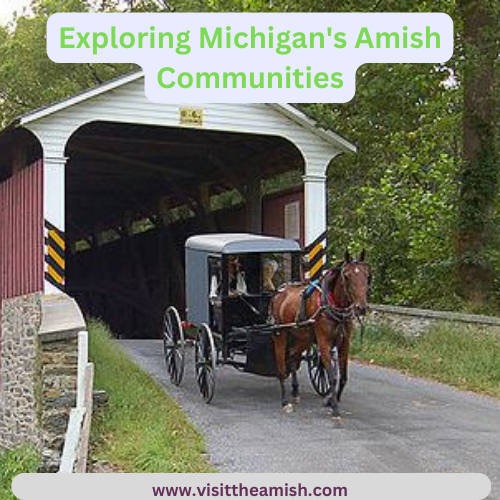
Amish Buggy & Covered Bridge
For visitors to Oceana County, there are many opportunities to experience the Amish way of life. One popular activity is to take a horse-drawn buggy tour, which offers a unique and intimate look at the community’s culture and customs. Visitors can also explore local shops and markets, sample traditional Amish cuisine, and learn about the community’s history and heritage at local museums and historical sites.
Another unique aspect of the Amish community in Oceana County is its education system. Amish children attend one-room schoolhouses, typically until the eighth grade, after which they typically enter the workforce. The focus in the Amish school system is on practical skills, such as reading, writing, and arithmetic, as well as religious education. This focus on practical skills and religious values has helped to create a strong, self-sufficient community.
In conclusion, the Amish community in Oceana County, Michigan is a small but vibrant rural community that has preserved its traditional way of life despite the many changes and challenges of the modern world. Visitors to the area can experience this unique and fascinating culture, learn about its rich heritage, and support the local economy by shopping at local shops and markets. Whether you are a local resident or a visiting tourist, Oceana County offers a truly unforgettable experience.
Amish Family
Gladwin
The Amish community in Gladwin, Michigan is a unique and vibrant part of the local culture. Located in the rolling hills of central Michigan, the Amish people in Gladwin have created a thriving community that is centered around the values of hard work, simplicity, and faith.
For many visitors, the Amish community in Gladwin is a window into a simpler time. In a world that is increasingly fast-paced and complex, the Amish people in Gladwin offer a refreshing reminder of the simpler things in life. From horse-drawn buggies and hand-built houses, to handmade quilts and locally grown produce, the Amish community in Gladwin is a true example of the slow and steady pace of life.
One of the best ways to experience the Amish community in Gladwin is through a tour of the countryside. Visitors can take a guided tour on horse-drawn wagons, where they’ll have the opportunity to see the Amish families at work and play. From the rolling hills of the countryside, to the bustling farmsteads, visitors will be able to see the Amish way of life in action.
Visitors can also stop by one of the many Amish-owned shops and restaurants in Gladwin. These businesses offer a unique shopping experience, where visitors can purchase handmade goods, such as furniture, quilts, and baskets, or enjoy a delicious meal made from locally sourced ingredients. The Amish-owned restaurants in Gladwin are especially popular, offering a unique dining experience with traditional Amish cuisine, such as fried chicken, meatloaf, and homemade pies.
For those interested in learning more about the Amish way of life, there are also several Amish-themed museums and cultural centers in Gladwin. These attractions offer visitors a chance to learn about the history and culture of the Amish people, as well as the role that the Amish community plays in the larger cultural landscape of Michigan.
The Amish community in Gladwin is not just a fascinating cultural attraction; it is also a thriving part of the local economy. The Amish people in Gladwin are known for their hard work and entrepreneurial spirit, and many of them own and operate small businesses in the area. From furniture-making to farming, the Amish people in Gladwin are a vital part of the local economy, contributing to the growth and prosperity of the community as a whole.
Calhoun County:
Calhoun County, located in the southern part of Michigan, is home to a growing and thriving Amish community. The Amish in Calhoun County have a rich cultural heritage and a strong connection to the land, and they are an integral part of the local landscape.
One of the defining characteristics of the Amish in Calhoun County is their traditional way of life. They live without modern conveniences such as electricity and technology, relying instead on the use of horse-drawn buggies, hand-cranked washing machines, and wood-fired stoves. This way of life reflects the Amish belief in simplicity, self-sufficiency, and a strong connection to the land.
In addition to its simple lifestyle, the Amish in Calhoun County are known for their close-knit communities and strong sense of community. Neighbors help one another, families are central to daily life, and religious values are emphasized. These values are reflected in the local economy, which is centered around small, family-run businesses such as furniture-making, quilting, and farming.
Farming is a central part of the Amish community in Calhoun County, and the fertile fields and rolling hills of the area provide the perfect conditions for growing crops and raising livestock. The Amish use traditional farming methods, including horse-drawn plows and hand-tilled fields, which are not only environmentally friendly but also help to preserve the community’s cultural heritage. In addition to farming, the Amish in Calhoun County are known for their skilled craftsmanship and the quality of their handmade goods.
For visitors to Calhoun County, there are many opportunities to experience the Amish way of life. One popular activity is to take a horse-drawn buggy tour, which offers a unique and intimate look at the community’s culture and customs. Visitors can also explore local shops and markets, sample traditional Amish cuisine, and learn about the community’s history and heritage at local museums and historical sites.
Another unique aspect of the Amish community in Calhoun County is its education system. Amish children attend one-room schoolhouses, typically until the eighth grade, after which they typically enter the workforce. The focus in the Amish school system is on practical skills, such as reading, writing, and arithmetic, as well as religious education. This focus on practical skills and religious values has helped to create a strong, self-sufficient community.
Despite its traditional way of life, the Amish community in Calhoun County is also a part of the larger local community. They participate in local events and support local businesses, and they have a positive impact on the local economy. The Amish are an important part of the cultural fabric of Calhoun County, and they are highly valued by the local community.
In conclusion, the Amish community in Calhoun County, Michigan is a growing and thriving rural community that has preserved its traditional way of life despite the many changes and challenges of the modern world. Visitors to the area can experience this unique and fascinating culture, learn about its rich heritage, and support the local economy by shopping at local shops and markets. Whether you are a local resident or a visiting tourist, Calhoun County offers a truly unforgettable experience.
Amish Town in Clare, MI
Jackson County:
Jackson County, located in the southern part of Michigan, is home to a growing and vibrant Amish community. This community, which has roots dating back to the early 20th century, is known for its traditional way of life, close-knit communities, and strong sense of community.
One of the defining characteristics of the Amish in Jackson County is their adherence to traditional values and practices. This includes a reliance on horse-drawn transportation, hand-cranked washing machines, and wood-fired stoves, which reflect the community’s belief in simplicity, self-sufficiency, and a strong connection to the land. This way of life, which has been passed down from generation to generation, is an important part of the Amish heritage in Jackson County.
In addition to its traditional lifestyle, the Amish in Jackson County are known for their close-knit communities and strong sense of community. Family is central to daily life, and neighbors help one another in times of need. This sense of community is reflected in the local economy, which is centered around small, family-run businesses such as furniture-making, quilting, and farming.
Farming is a central part of the Amish community in Jackson County, and the fertile fields and rolling hills of the area provide the perfect conditions for growing crops and raising livestock. The Amish use traditional farming methods, such as horse-drawn plows and hand-tilled fields, which are not only environmentally friendly but also help to preserve the community’s cultural heritage. In addition to farming, the Amish in Jackson County are known for their skilled craftsmanship and the quality of their handmade goods.
For visitors to Jackson County, there are many opportunities to experience the Amish way of life. One popular activity is to take a horse-drawn buggy tour, which offers a unique and intimate look at the community’s culture and customs. Visitors can also explore local shops and markets, sample traditional Amish cuisine, and learn about the community’s history and heritage at local museums and historical sites.
Another unique aspect of the Amish community in Jackson County is its education system. Amish children attend one-room schoolhouses, typically until the eighth grade, after which they typically enter the workforce. The focus in the Amish school system is on practical skills, such as reading, writing, and arithmetic, as well as religious education. This focus on practical skills and religious values has helped to create a strong, self-sufficient community.
Despite its traditional way of life, the Amish community in Jackson County is also a part of the larger local community. They participate in local events and support local businesses, and they have a positive impact on the local economy. The Amish are an important part of the cultural fabric of Jackson County, and they are highly valued by the local community.
In conclusion, the Amish community in Jackson County, Michigan is a growing and thriving rural community that has preserved its traditional way of life despite the many changes and challenges of the modern world. Visitors to the area can experience this unique and fascinating culture, learn about its rich heritage, and support the local economy by shopping at local shops and markets. Whether you are a local resident or a visiting tourist, Jackson County offers a truly unforgettable experience.
Amish Restaurants In The Area
There are several Amish restaurants in Michigan that serve traditional Amish cuisine and offer a unique dining experience. Some of the most popular Amish restaurants in the state include:
Yoder’s Kitchen in Shipshewana, Indiana (just over the Michigan border) – This restaurant offers a menu of traditional Amish dishes, including fried chicken, meatloaf, and breaded pork chops, as well as a selection of homemade pies and pastries.
Miller’s Country Kitchen in Elkhart, Indiana (just over the Michigan border) – This family-owned restaurant serves up hearty, home-style cooking, including chicken and noodles, meatloaf, and homemade pies.
The Essenhaus Restaurant in Middlebury, Indiana (just over the Michigan border) – This popular restaurant offers a menu of traditional Amish dishes, including roast beef and gravy, meatloaf, and chicken and dumplings, as well as a variety of homemade baked goods.
The Dutch Kitchen in Kalamazoo, Michigan – This restaurant serves up a menu of traditional Amish cuisine, including breaded pork chops, chicken and noodles, and roast beef and gravy, as well as a selection of homemade pies and pastries.
Yoder’s Restaurant in White Pigeon, Michigan – This family-owned restaurant serves up a menu of classic Amish dishes, including fried chicken, meatloaf, and pork chops, as well as a selection of homemade pies and pastries.
It’s worth noting that many of these restaurants may be closed on Sundays, as the Amish observe the Sabbath. Dining at an Amish restaurant is a unique and memorable experience that offers a glimpse into the culture and traditions of the Amish community.
Visitors to these communities can experience the traditional Amish way of life by taking a buggy ride, visiting local shops and markets, and observing daily activities such as farming, cooking, and quilting.
ID used to identify users for 24 hours after last activity
24 hours
_gat
Used to monitor number of Google Analytics server requests when using Google Tag Manager
1 minute
_gali
Used by Google Analytics to determine which links on a page are being clicked
30 seconds
_ga_
ID used to identify users
2 years
__utmx
Used to determine whether a user is included in an A / B or Multivariate test.
18 months
_ga
ID used to identify users
2 years
__utmv
Contains custom information set by the web developer via the _setCustomVar method in Google Analytics. This cookie is updated every time new data is sent to the Google Analytics server.
2 years after last activity
__utmc
Used only with old Urchin versions of Google Analytics and not with GA.js. Was used to distinguish between new sessions and visits at the end of a session.
End of session (browser)
__utmz
Contains information about the traffic source or campaign that directed user to the website. The cookie is set when the GA.js javascript is loaded and updated when data is sent to the Google Anaytics server
6 months after last activity
__utmt
Used to monitor number of Google Analytics server requests
10 minutes
__utmb
Used to distinguish new sessions and visits. This cookie is set when the GA.js javascript library is loaded and there is no existing __utmb cookie. The cookie is updated every time data is sent to the Google Analytics server.
30 minutes after last activity
_gac_
Contains information related to marketing campaigns of the user. These are shared with Google AdWords / Google Ads when the Google Ads and Google Analytics accounts are linked together.