The Amish manage their healthcare without modern medical insurance through a unique community-based system that reflects their values of self-sufficiency and mutual aid. Here’s how they approach healthcare:
Community-Based Aid
The Amish rely on a church-based system where members contribute to a shared fund[1][2]. This fund, often referred to as “alms,” is distributed by church leaders to those in need, effectively replacing the social safety net and health insurance[2]. Members pay monthly contributions, typically between $90 and $110, to participate in this self-pay program[1].
Amish Hospital Aid
About a third of Amish participate in a more formal institution called Amish Hospital Aid (AHA)[2]. This not-for-profit organization, run by unpaid elders, collects fixed fees from members and pays for hospital care when needed. It’s particularly useful for wealthier Amish who might feel guilty using church alms meant for the poor[2].
Negotiated Discounts
Amish communities often negotiate discounts with local hospitals and healthcare providers[1][3]. They leverage their ability to pay bills quickly, sometimes within 10 days, to secure lower prices for medical care[1]. Some Amish carry benefit cards to help hospitals track these negotiated discounts[3].
Alternative and Preventive Care
The Amish tend to rely heavily on folk medicine, chiropractors, and other forms of complementary and alternative medicine (CAM)[2][5]. They also maintain an active lifestyle through manual labor, which may contribute to lower rates of chronic conditions like diabetes and heart disease[3].
Limited Use of Modern Medicine
While the Amish do use modern medicine when necessary, especially for obstetrical needs and traumatic injuries, they generally avoid it when possible[5]. They tend to distrust the American medical and pharmaceutical industry, viewing it as profit-oriented[5].
Benefit Auctions
For exceptionally high medical bills, Amish communities often organize benefit auctions, also known as “mud sales”[3]. These events raise funds to help cover significant healthcare expenses.
Government Exemptions
The Amish are exempt from many healthcare-related laws and taxes, including Medicare, Social Security, and the Affordable Care Act mandate[2][3]. This allows them to manage their healthcare costs according to their cultural and religious beliefs.
This system allows the Amish to maintain their healthcare needs while adhering to their cultural values of community support and separation from mainstream society.
In a surprising turn of events, an Amish community in Grey County, Ontario finds itself facing nearly $300,000 CAD (approximately $215,000 USD) in fines and property liens for failing to comply with COVID-19 measures when crossing the U.S.-Canada border in 2021 and 2022. The issue stems from the community’s inability to use the mandatory ArriveCAN app, a smartphone application required for entering Canada during the pandemic.
The Democracy Fund (TDF), a Canadian charity dedicated to constitutional rights, has stepped in to support the Amish community. According to TDF, 74 community members were fined for failing to complete the ArriveCAN app and other violations. Many of these individuals were not properly notified about the tickets or trial dates, leading to convictions in their absence.
The Amish, known for their 18th-century lifestyle that eschews modern technology, were unable to comply with the digital requirements. As TDF senior litigation counsel Adam Blake-Gallipeau explains, “These are people who, due to their faith, do not use modern technology. They travel by horse and buggy and are unfamiliar with operating a telephone, let alone an app on a present-day cell phone.”
The severity of the situation became apparent when a community member attempted to secure financing for a property purchase, only to discover that liens had been placed on their properties by collection agencies. This development poses a significant threat to the Amish way of life, as their livelihoods depend heavily on their land for farming and other traditional practices.
Government Response and Political Intervention
The Canadian government, through Bryan Sparks, a spokesperson for the Welland Provincial Offenses Crown office, maintains that the Amish could have responded to the fines by mail or by traveling to the court in person. However, this stance has been criticized as unreasonable given the Amish community’s limited interaction with modern systems.
The issue has garnered attention in Canada’s House of Commons, with Conservative MP Alex Ruff arguing that the Liberal government failed to adequately communicate with the Amish community about the Quarantine Act measures. Ruff points out that while others could access this information online or by phone, his Amish constituents could not due to their technological limitations.
Legal Challenges and Potential Resolution
TDF lawyers are now filing applications to reopen these convictions. If granted, they plan to challenge the fines in court. The legal process is expected to be lengthy, but TDF is committed to addressing what they view as a pandemic-related injustice.
Richard Moon, a professor at the University of Windsor, expressed surprise that the government had not reached an accommodation with the Amish before the convictions were registered, describing the situation as “unduly harsh”.
As Canada moves past the active phase of the COVID-19 pandemic, this case highlights the ongoing repercussions of pandemic-era policies. It raises important questions about balancing public health measures with religious freedoms and the need for governments to consider diverse communities when implementing broad policies.
The outcome of this legal battle could have significant implications for how governments approach similar situations in the future, particularly when dealing with communities that have unique cultural or religious practices that may conflict with modern technological requirements.
The Amish community, often characterized by their simple lifestyle and distinct dress, is a fascinating subject that intrigues many. Here are seven lesser-known facts about the Amish that shed light on their unique culture and beliefs.
1. The Origin of the Amish
The Amish originated in the late 17th century as a sect of the Anabaptist movement in Europe, primarily led by Jakob Ammann. They migrated to America in the early 18th century to escape religious persecution and sought land for farming. The name “Amish” derives from Ammann’s last name, reflecting their historical roots and commitment to a life separated from mainstream society[2][5].
2. Language and Communication
Contrary to popular belief, the term “Pennsylvania Dutch” does not refer to people from the Netherlands. Instead, it is a corruption of “Deutsch,” referring to the German language spoken by the Amish. They primarily speak a dialect of German known as Pennsylvania German, which has evolved separately from modern German due to their isolation[2][3].
3. Diverse Groups Within the Amish Community
The Amish are not a monolithic group; they consist of various subgroups with differing practices and beliefs. The four main categories include the Old Order, New Order, Beachy Amish, and Amish Mennonites. These groups vary significantly in their use of technology, dress codes, and community rules. For instance, while Old Order Amish strictly avoid modern conveniences like cars, some Beachy Amish may use them regularly[2][5].
4. Amish Dress Code
Amish clothing is designed to reflect their values of humility and simplicity. Men typically wear dark trousers without creases or cuffs, while women wear long dresses with head coverings. Interestingly, buttons are often avoided because they can be seen as ostentatious; instead, clothing is fastened with hooks or pins. Married men grow beards as a sign of their marital status but do not wear mustaches due to historical associations with military service[1][2].
5. Technological Adaptations
While the Amish are known for rejecting many modern technologies, they do make selective exceptions based on community consensus. For example, some communities permit the use of batteries for certain devices like clocks or buggies, and solar power is becoming more common in some areas. This selective adaptation allows them to maintain their lifestyle while benefiting from certain technological conveniences[3][5].
6. Dietary Practices
The Amish do not have specific dietary restrictions dictated by their faith; instead, they enjoy a traditional Pennsylvania Dutch diet that includes hearty meals featuring meat, dairy products, and homegrown vegetables. Surprisingly, they can be seen dining at popular chain restaurants or enjoying modern cuisine when they venture into non-Amish areas[3][5].
7. Community Support and Taxes
Despite misconceptions about their relationship with government systems, the Amish pay taxes just like any other American citizens. They contribute to local and state taxes but are exempt from Social Security due to their belief in community support systems for healthcare and welfare needs. This reflects their commitment to self-sufficiency and mutual aid within their communities[2][5].
These insights into Amish life reveal a complex culture that balances tradition with selective adaptation to modern society while maintaining core values of simplicity and community support.
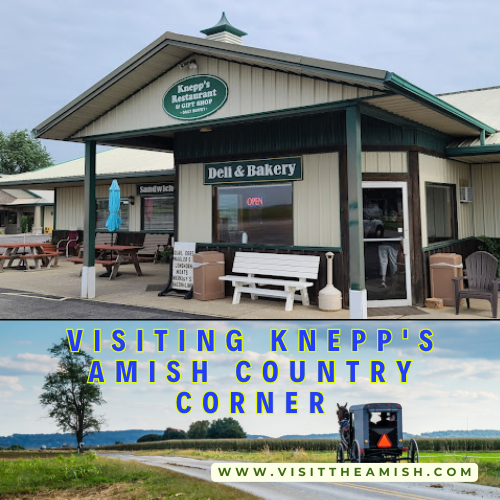
Nestled in the heart of Washington, Indiana, Knepp’s Amish Kountry Korner stands as a testament to traditional values and authentic Amish cuisine. Located at 4630 US Highway 50, Washington, IN 47501, this charming establishment has become a beloved destination for locals and tourists alike[3][5].
A Taste of Amish Culture
Knepp’s Amish Kountry Korner offers visitors a unique opportunity to experience the rich flavors and warm hospitality of Amish culture. The restaurant’s commitment to preserving traditional recipes and cooking methods has made it a standout in the local culinary scene.
Authentic Amish Cuisine
The menu at Knepp’s Amish Kountry Korner features a wide array of hearty, home-style dishes that reflect the simplicity and wholesomeness of Amish cooking. Visitors can expect to find classic comfort foods prepared with fresh, locally-sourced ingredients. From savory meat dishes to delectable baked goods, every item on the menu is crafted with care and attention to detail.
Bakery Delights
One of the highlights of Knepp’s Amish Kountry Korner is its bakery section[2]. The aroma of freshly baked bread, pies, and pastries wafts through the air, enticing customers to indulge in these sweet treats. The bakery offers a variety of traditional Amish desserts, including shoofly pie, whoopie pies, and hand-rolled soft pretzels.
A Community Gathering Place
More than just a restaurant, Knepp’s Amish Kountry Korner has become a central hub for the local community. Its welcoming atmosphere and friendly staff create an environment where people can come together to share a meal and connect with one another.
Family-Friendly Atmosphere
The restaurant’s casual attire policy and family-friendly environment make it an ideal spot for gatherings of all sizes[2]. Whether you’re stopping in for a quick lunch or planning a family dinner, Knepp’s Amish Kountry Korner provides a comfortable setting for all occasions.
Supporting Local Producers
Knepp’s Amish Kountry Korner takes pride in supporting local farmers and producers. By sourcing ingredients from nearby farms and artisans, the restaurant not only ensures the freshness of its dishes but also contributes to the local economy.
A Culinary Journey Through Amish Traditions
Visiting Knepp’s Amish Kountry Korner is more than just a dining experience; it’s an opportunity to immerse oneself in Amish culinary traditions. The restaurant serves as a living showcase of Amish cooking techniques and flavors that have been passed down through generations.
Seasonal Specialties
Throughout the year, Knepp’s Amish Kountry Korner offers seasonal specialties that highlight the bounty of each season. From hearty stews in the winter to fresh fruit pies in the summer, the menu evolves to reflect the changing availability of local produce.
Preserving Culinary Heritage
By maintaining traditional Amish recipes and cooking methods, Knepp’s Amish Kountry Korner plays a crucial role in preserving an important aspect of Amish cultural heritage. Visitors have the opportunity to taste dishes that have remained largely unchanged for generations, providing a unique window into Amish history and traditions.
Beyond the Dining Room
Knepp’s Amish Kountry Korner extends its offerings beyond just sit-down meals. The establishment has adapted to meet the diverse needs of its customers while still maintaining its core values and traditions.
Takeout Options
For those on the go, Knepp’s Amish Kountry Korner offers convenient takeout options[6]. This allows customers to enjoy the restaurant’s delicious offerings in the comfort of their own homes or while exploring the surrounding area.
Catering Services
The restaurant’s reputation for quality food and service has made it a popular choice for catering events in the local community. From small gatherings to large celebrations, Knepp’s Amish Kountry Korner brings its unique flavors to a variety of off-site events.
A Destination for Food Enthusiasts
Knepp’s Amish Kountry Korner has gained recognition beyond the local community, attracting food enthusiasts from across the region. Its commitment to authentic Amish cuisine and warm hospitality has made it a must-visit destination for those exploring Southern Indiana.
Media Recognition
The restaurant’s dedication to preserving Amish culinary traditions has not gone unnoticed. Local media outlets have featured Knepp’s Amish Kountry Korner, highlighting its role in showcasing Amish culture and cuisine[7]. These features have helped to spread awareness of the restaurant and attract visitors from further afield.
Tourist Attraction
As part of the broader tourism landscape in Southern Indiana, Knepp’s Amish Kountry Korner serves as an important cultural attraction. It offers visitors a taste of Amish life and traditions, complementing other Amish-themed attractions in the region.
The People Behind the Counter
At the heart of Knepp’s Amish Kountry Korner’s success are the dedicated individuals who work tirelessly to maintain the restaurant’s high standards and welcoming atmosphere.
Family-Owned Business
As a family-owned and operated establishment, Knepp’s Amish Kountry Korner embodies the values of hard work, dedication, and community that are central to Amish culture. The personal touch provided by the owners and staff contributes significantly to the restaurant’s warm and inviting atmosphere.
Skilled Artisans
The kitchen at Knepp’s Amish Kountry Korner is staffed by skilled cooks and bakers who have honed their craft over many years. Their expertise in traditional Amish cooking techniques ensures that every dish is prepared to perfection.
Looking to the Future
While firmly rooted in tradition, Knepp’s Amish Kountry Korner has shown a willingness to adapt to changing times and customer needs.
Embracing Technology
Despite the traditional nature of its cuisine, the restaurant has embraced modern conveniences where appropriate. For example, they accept credit cards, making it easier for customers to enjoy their meals without worrying about carrying cash[2][6].
Continuing the Legacy
As Knepp’s Amish Kountry Korner looks to the future, its focus remains on preserving the authentic Amish dining experience that has made it a beloved institution in Washington, Indiana. By maintaining its commitment to quality, tradition, and community, the restaurant is poised to continue delighting visitors for generations to come.
In conclusion, Knepp’s Amish Kountry Korner, located at 4630 US Highway 50, Washington, IN 47501, offers more than just a meal. It provides a gateway into Amish culture, a celebration of traditional cuisine, and a warm, welcoming environment that brings people together. Whether you’re a local resident or a curious traveler, a visit to Knepp’s Amish Kountry Korner promises a memorable experience that will leave you with a deeper appreciation for Amish culinary traditions and hospitality.
Knepp’s Amish Kountry Korner, located at 4630 US Highway 50, Washington, IN 47501, is renowned for its authentic Amish cuisine and warm hospitality. Visitors to this charming establishment can expect a delightful culinary experience that showcases traditional Amish flavors. Here are some must-try dishes that highlight the essence of what Knepp’s has to offer:
Must-Try Dishes at Knepp’s Amish Kountry Korner
1. Fried Chicken
The fried chicken at Knepp’s is a standout dish, known for its crispy exterior and juicy interior. Prepared using traditional methods, this dish is often served with sides like mashed potatoes and gravy, making it a comforting meal that embodies Amish home cooking.
2. Homemade Noodles
Knepp’s homemade noodles are a beloved staple, often served in a rich broth or alongside hearty meat dishes. Their texture and flavor are reminiscent of family recipes passed down through generations, providing an authentic taste of Amish cuisine.
3. Meatloaf
The meatloaf at Knepp’s is another favorite among patrons. Made with a blend of ground meats and spices, it’s baked to perfection and served with classic sides such as green beans and corn. This dish is a true representation of comfort food.
4. Mashed Potatoes with Gravy
No Amish meal is complete without mashed potatoes, and Knepp’s serves them with a generous helping of rich gravy. The creamy texture and savory flavor make this side dish a perfect accompaniment to any main course.
5. Cornbread
Knepp’s cornbread is moist and slightly sweet, often enjoyed as a side dish or even as a snack on its own. It pairs beautifully with the restaurant’s savory entrees.
6. Shoofly Pie
For dessert, the shoofly pie is a must-try. This classic Amish dessert features a rich molasses filling topped with a crumbly streusel layer. It’s sweet, sticky, and utterly delicious—a perfect way to end your meal.
7. Whoopie Pies
These delightful treats consist of two soft chocolate cakes filled with creamy frosting in between. Whoopie pies are popular among diners at Knepp’s and make for an indulgent dessert option.
8. Baked Goods from the Bakery
Knepp’s bakery offers an array of fresh baked goods daily, including breads, pastries, and pies. Items like apple pie or cinnamon rolls are particularly popular and showcase the baking skills that are central to Amish culinary traditions.
9. Breakfast Specials
If you visit during breakfast hours, be sure to try their breakfast specials which may include pancakes, eggs cooked to order, and sausage links—all served in generous portions that reflect the hearty nature of Amish meals.
10. Daily Specials
Knepp’s frequently features daily specials that highlight seasonal ingredients or traditional dishes not always on the regular menu. These can include pot roast or seasonal vegetable dishes that provide variety for repeat visitors.
Conclusion
Knepp’s Amish Kountry Korner offers an inviting atmosphere where guests can enjoy authentic Amish dishes made from traditional recipes. With its emphasis on comfort food and homemade goodness, this restaurant not only satisfies hunger but also provides a glimpse into the rich culinary heritage of the Amish community in Indiana. Whether you’re stopping by for breakfast, lunch, or dinner, each dish promises to be a delightful experience that reflects the warmth and hospitality of its roots.
Donut Day: A Sweet Tradition at Unity’s Amish Community Market
Every Wednesday and Saturday, the Amish Community Market in Unity, Maine transforms into a donut lover’s paradise. These special days draw locals and visitors alike with the irresistible aroma of freshly made, handcrafted donuts that have become a beloved local tradition.
A Delicious Community Ritual
The Community Market, located at 368 Thorndike Road, offers a tantalizing array of donuts that come in a variety of flavors. Visitors can expect a delightful grab-bag of options, including:
Pumpkin cake donuts
Chocolate cream donuts
Jelly-filled donuts
Classic glazed varieties
Local patrons eagerly anticipate these donut days, with some reviewers describing the treats as “wonderful” and a must-try experience. The donuts are more than just a pastry – they’re a celebration of Amish baking traditions and community spirit.
More Than Just Donuts
While the donuts are the star attraction, the Amish Community Market offers much more. Visitors can explore a wide range of locally made products, including:
Handcrafted items
Local produce
Homemade jams and jellies
Farm supplies
Kitchen wares
Unique local goods
A Unique Amish Experience
The Unity Amish community is particularly notable for its distinctive approach to Amish life. Unlike many traditional Amish settlements, this community is known for its openness and unique practices. The Community Market reflects this spirit, welcoming visitors and offering a glimpse into Amish craftsmanship and culinary traditions.
Practical Details
Location: 368 Thorndike Road, Unity, ME Donut Days: Wednesdays and Saturdays Summer Hours: Monday – Saturday, 8:00 AM – 5:00 PM
Pro tip: Arrive early for the best selection, as these delicious donuts are known to sell out quickly!
Whether you’re a donut enthusiast, a lover of local crafts, or simply curious about Amish culture, Donut Day at the Amish Community Market promises a delightful and memorable experience that captures the heart of this unique Maine community.
The history of Donut Day in Unity, Maine is closely tied to the local Amish community and their Community Market. While not as old as the national Donut Day tradition, Unity’s Donut Day has become a beloved local custom:
The Unity Amish community was founded in 2008 by Caleb and Rosie Stoll, who moved from Smyrna, Maine.
The Community Market and Bakery, run by the Amish, became known for its popular Wednesday “Donut Day”.
Donut Day at the market occurs every Wednesday, with fresh donuts also served on Saturdays during summer months.
The tradition briefly paused in 2020 due to COVID-19 but resumed to much excitement from locals.
In early 2022, the market suffered a fire, but reopened just nine months later, with its first post-fire “fresh donut” Wednesday in September 2022.
The market’s donuts have become so popular that people travel from neighboring towns to purchase them, with one customer describing it as the “breakfast of champions”.
This local Donut Day tradition has become an integral part of Unity’s community life, showcasing the Amish settlement’s integration and popularity in the area.
A Day Trip to the Amish Community in Guthrie, Kentucky: Where Tradition Meets Progress
Nestled in the rolling hills of Todd County, Kentucky, the Amish community of Guthrie offers visitors a unique glimpse into a way of life that balances time-honored traditions with selective modernization. As the oldest Amish settlement in Kentucky, established in 1958, Guthrie provides a fascinating destination for those interested in Amish culture, craftsmanship, and rural charm.
Getting There
Guthrie is located in southern Kentucky, near the Tennessee border. It’s easily accessible by car, approximately 50 miles northwest of Nashville, Tennessee. Plan to arrive early in the morning to make the most of your day trip.
What Makes Guthrie Unique
The Guthrie Amish community is classified as “electric” New Order Amish, setting it apart from many other Amish settlements[1]. This designation means that while they maintain many traditional Amish practices, they have adopted certain modern conveniences, most notably the use of electricity in their homes. Visitors might be surprised to see Amish homes with electric lights or appliances, a sight uncommon in most Amish settlements.
Despite these modern allowances, the Guthrie Amish still adhere to core Amish values. They dress plainly, use horse-drawn buggies for local transportation, and speak Pennsylvania Dutch among themselves. However, their progressive stance on technology extends beyond electricity. Tractors are widely used not just for farming but also for road transportation, a practice that distinguishes them from more conservative Amish groups[1].
Morning Activities
Schlabach’s Bakery
Start your day with a visit to Schlabach’s Bakery, a cornerstone of the community since 1970. Located at 6225 Guthrie Road, this charming establishment is potentially one of the oldest continuously operating Amish bakeries in the country[3].
As you approach, you’ll be greeted by simple, old-fashioned signage and a cozy garden setting. Inside, you’ll find an impressive array of baked goods and local products:
Cinnamon rolls (a best-seller)
Sourdough bread
Pies
Granola
Fried pies
Banana bread
Traditional breads
Cakes
Honey and jams
The bakery is open from 8 AM to 5 PM Monday through Wednesday, Friday, and Saturday[3]. Be sure to arrive early for the best selection, as popular items can sell out quickly.
Country Pantry Store
After indulging your sweet tooth, head to the Country Pantry Store. This Amish-owned establishment offers a wide variety of bulk goods and home products. It’s an excellent place to stock up on pantry staples, spices, and unique food items. Don’t miss their selection of scented candles, which make for lovely souvenirs or gifts[5].
The store is open from 8:30 AM to 5 PM Monday through Saturday. You can reach them at (270) 483-0555 for any inquiries[5].
Midday Explorations
Self-Guided Driving Tour
As the day progresses, embark on a self-guided driving tour of the Amish countryside. The rolling hills and well-tended farms provide a picturesque backdrop for your journey. Keep an eye out for:
Horse-drawn buggies on the roads
Amish children walking to or from school
Well-maintained Amish farms
Distinctive blue or red tractors parked outside Amish homes
Remember to drive carefully, especially on rural roads where you might encounter horse-drawn vehicles.
Amish-Owned Businesses
Throughout your drive, you’ll come across various Amish-owned businesses. These may include:
Sawmills
Pallet shops
Carpentry workshops
Furniture stores
Many of these establishments welcome visitors, offering a chance to purchase high-quality, handcrafted goods directly from Amish artisans. Look for signs indicating business hours and whether visitors are welcome.
Afternoon Activities
Lunch at Country View Creamery
For lunch, make your way to Country View Creamery, an Amish-owned dairy barn-style creamery. While technically located in nearby Trenton, it’s worth the short drive. They offer a deli with delicious sandwiches, but the real stars are their dairy products, especially the ice cream[5].
The creamery is open Monday through Friday from 9 AM to 5 PM and Saturdays from 9 AM to 4 PM. You can contact them at (270) 466-0990 for more information[5].
Visit to a Local Farm
In the afternoon, if possible, arrange a visit to a local Amish farm. While respecting the privacy of the Amish community, some farms may offer tours or allow visitors to observe daily activities. This can provide invaluable insights into Amish agricultural practices and daily life.
Shopping for Amish Crafts
Dedicate some time in the afternoon to shopping for Amish-made goods. Look for:
Handcrafted furniture
Quilts and textiles
Homemade jams and preserves
Handmade toys and crafts
Remember that many Amish businesses operate on a cash-only basis, so come prepared.
Evening Wind-Down
Sunset Drive
As the day comes to a close, take a leisurely drive through the countryside to enjoy the sunset over the Amish farms. The sight of Amish families returning from work in their buggies against the backdrop of a Kentucky sunset is truly memorable.
Dinner in Guthrie
While there may not be Amish-run restaurants in the area, the town of Guthrie itself offers several dining options where you can reflect on your day while enjoying a meal.
Planning Your Visit
Best Time to Visit
The Guthrie Amish community can be visited year-round, but each season offers a unique experience:
Spring and summer showcase Amish farms in full production.
Fall provides stunning foliage and harvest-time activities.
Winter, while quieter, offers a serene glimpse into Amish life during the colder months.
Respecting Amish Culture
When visiting the Guthrie Amish community, it’s crucial to remember that you’re entering a living, working community, not a tourist attraction. Here are some guidelines for respectful interaction:
Always ask permission before taking photographs, especially of Amish individuals.
Dress modestly out of respect for Amish values.
Drive carefully, as you’ll likely encounter horse-drawn buggies on the roads.
Respect private property and only visit businesses that are clearly open to the public.
What to Bring
Cash: Many Amish businesses don’t accept credit cards.
A cooler: For perishable goods you might purchase.
Comfortable walking shoes: For exploring farms and shops.
A camera: For capturing the beautiful countryside (but remember to ask permission before photographing people).
Historical Context
Understanding the history of the Guthrie Amish community can enrich your visit. The settlement was established in 1958 by families from Stuarts Draft, Virginia, following a division within their original church. This move was part of a broader pattern of Amish migration and community formation[1].
The Guthrie settlement played a significant role in establishing Amish presence in Kentucky. As of 2024, Kentucky is home to nearly 16,000 Amish people living in over 50 communities, making it the 8th largest Amish population in the United States[2].
Educational Aspects
The Guthrie Amish community offers several educational opportunities for visitors:
Amish Schools
While you can’t visit Amish schools, you might see Amish children walking to or from their schoolhouses. The Guthrie community established its own parochial school, Guthrie Christian School, in 1969[1].
Agricultural Practices
Observing Amish farms provides insights into sustainable and traditional farming methods. The Amish are known for their efficient, small-scale farming techniques.
Craftsmanship
Visiting Amish workshops and stores allows you to appreciate the high level of skill and craftsmanship in Amish-made goods.
Beyond Guthrie
If you have more time or are interested in exploring further, consider visiting other Amish and Mennonite communities in the region:
Pembroke Amish Community
About 30 miles east of Guthrie, the Pembroke Amish community in Christian County is the second-largest Amish settlement in Kentucky. Established in 1989, it’s home to around 2,200 Old Order Amish living in 15 church districts[5].
Fairview Produce Auction
Located in Pembroke, this large auction house is where Amish and Mennonite farmers come together with locals to sell their produce. It’s open Monday through Friday from 9 AM to 5 PM, and Saturdays from 9 AM to 12 PM[5].
Conclusion
A day trip to the Amish community in Guthrie, Kentucky, offers a unique opportunity to witness a fascinating blend of traditional Amish life and selective modernization. From the delightful treats at Schlabach’s Bakery to the picturesque countryside dotted with Amish farms and businesses, Guthrie provides a rich, educational, and memorable experience.
As you explore this unique community, you’ll gain a deeper appreciation for the Amish way of life and the ongoing dialogue between tradition and progress that shapes their world. Remember to approach your visit with respect and curiosity, and you’re sure to come away with a newfound understanding of this distinctive American subculture.
Whether you’re a history enthusiast, a lover of handcrafted goods, or simply someone seeking a peaceful retreat from the fast pace of modern life, the Amish community in Guthrie has something to offer. Your day trip will not only be an exploration of a different way of life but also a journey into the heart of Kentucky’s rich cultural tapestry.
ID used to identify users for 24 hours after last activity
24 hours
_gat
Used to monitor number of Google Analytics server requests when using Google Tag Manager
1 minute
_gali
Used by Google Analytics to determine which links on a page are being clicked
30 seconds
_ga_
ID used to identify users
2 years
__utmx
Used to determine whether a user is included in an A / B or Multivariate test.
18 months
_ga
ID used to identify users
2 years
__utmv
Contains custom information set by the web developer via the _setCustomVar method in Google Analytics. This cookie is updated every time new data is sent to the Google Analytics server.
2 years after last activity
__utmc
Used only with old Urchin versions of Google Analytics and not with GA.js. Was used to distinguish between new sessions and visits at the end of a session.
End of session (browser)
__utmz
Contains information about the traffic source or campaign that directed user to the website. The cookie is set when the GA.js javascript is loaded and updated when data is sent to the Google Anaytics server
6 months after last activity
__utmt
Used to monitor number of Google Analytics server requests
10 minutes
__utmb
Used to distinguish new sessions and visits. This cookie is set when the GA.js javascript library is loaded and there is no existing __utmb cookie. The cookie is updated every time data is sent to the Google Analytics server.
30 minutes after last activity
_gac_
Contains information related to marketing campaigns of the user. These are shared with Google AdWords / Google Ads when the Google Ads and Google Analytics accounts are linked together.