Recent Posts

Five Most Unusual Amish Communities Including Videos


Have you ever wondered about the diversity within Amish communities? While you might think all Amish settlements are the same, there’s actually a surprising variety among them. Let’s explore five of the most unusual Amish communities that break the mold in fascinating ways.

Unity, Maine: The Friendly Innovators

The Amish community in Unity, Maine stands out as unique compared to other Amish settlements in several ways:

  1. They have a dedicated church meetinghouse, which is rare among Amish communities[1][2]. This building also serves as their school[2].
  2. The Unity Amish offer translators during sermons for non-Amish visitors, with one male and one female translator available[2]. This practice demonstrates their openness to outsiders.
  3. The community is particularly welcoming to outsiders and potential converts[2]. They seem to have a more outreach-oriented approach compared to many other Amish groups.
  4. Unity’s Amish have roots in an experimental church group called the Christian Communities, which influences some of their unique practices[2].
  5. They hold a special “Donut Day” on Wednesdays (and Saturdays in summer) at their Community Market, which has become popular with both Amish and non-Amish locals[1].
  6. The settlement is relatively small, consisting of about 23 families spread across 800 acres[1]. This makes up approximately 8% of Unity’s total population.
  7. Unlike some more conservative Amish groups, the Unity community appears to be more integrated with the local non-Amish population, running various businesses that cater to both Amish and non-Amish customers[1][3].

These characteristics make the Unity, Maine Amish community an atypical and particularly open Amish settlement compared to many others across North America.

Somerset County, Pennsylvania: The Church Builders

The Somerset County Amish community in Pennsylvania is unusual in several notable ways:

  1. It’s the second-oldest Amish community in North America, founded around 1772[1][2].
  2. Unlike most Amish communities, they worship in meetinghouses rather than homes. This practice was adopted in the late 1800s, which is highly atypical for Old Order Amish[1][2].
  3. Despite using meetinghouses, they’ve maintained their Old Order Amish identity and horse-and-buggy lifestyle[1].
  4. The community has managed to stay relatively small, with only about 1,565 Amish in 11 congregations as of 2024, despite its long history[2].
  5. They drive ‘Midwestern’ style buggies with slanted-in sides above the chassis, which is unusual for a Pennsylvania Amish community[1].
  6. The local public school is maintained by the Amish and employs Amish teachers, which is not common in most Amish settlements[1].

The Somerset County Amish buggies are distinctive in a few key ways:

Somerset buggy
  1. They feature a ‘Midwestern’ style design, with slanted-in sides above the chassis[2]. This is unusual for a Pennsylvania Amish community.
  2. Somerset County is likely the originator of this Midwestern buggy style[2]. Many Midwestern Amish settlements, such as those in Holmes County, Ohio, were founded by people who left Somerset in the 19th century and brought this buggy design with them.
  3. The use of this style in Somerset County is particularly noteworthy because it’s one of the oldest Amish settlements, founded around 1772[2]. Most Pennsylvania Amish communities use a different buggy style.
  4. Outside of Somerset County, this buggy design is primarily found in Midwestern Amish communities and in the Smicksburg community in Indiana County, Pennsylvania[2].

This unique buggy style sets Somerset County apart from other Pennsylvania Amish communities and creates an interesting historical link to Midwestern Amish settlements.

These unique characteristics make Somerset County stand out among Amish communities, blending traditional practices with some atypical customs.

Pinecraft, Florida: The Buggy-Free Beach Lovers

Nestled in the heart of Sarasota, Florida, lies a unique and fascinating community that might surprise you. Welcome to Pinecraft, an Amish and Mennonite enclave that defies stereotypes and offers a glimpse into a world where tradition meets tropical paradise.

Pinecraft amish

A Snowbird’s Paradise

Pinecraft isn’t your typical Amish settlement. Unlike the large, established communities in Ohio, Pennsylvania, and Indiana, this Florida gem serves primarily as a vacation destination for Amish and Mennonite “snowbirds” seeking refuge from harsh northern winters[1]. While only about 100 Amish residents call Pinecraft home year-round, the population swells to 2,000-2,500 during peak winter months[2].

The community’s origins date back to the 1920s when a group of Amish farmers ventured south to grow celery. Although the soil proved unsuitable for their crops, they found the sunshine and warmth so agreeable that they never left[1]. Over time, Pinecraft evolved into a purpose-built accommodation center, allowing Amish vacationers to continue their traditional way of life while enjoying a change of scenery[1].

Bicycles and Golf Carts: A Twist on Tradition

One of the most striking features of Pinecraft is the absence of horse-drawn buggies, a hallmark of Amish communities elsewhere. Instead, you’ll find residents and visitors alike zipping around on adult-sized tricycles or, for those really embracing vacation mode, electric golf carts[1][2]. This departure from tradition is just one of many ways Pinecraft stands out from other Amish settlements.

A More Relaxed Approach

Pinecraft is known for its slightly more relaxed interpretation of Amish rules and customs. While still adhering to their core beliefs and values, many visitors find themselves adopting practices that might be frowned upon in their home communities[2]. For instance, some Amish who typically shun bicycles back home might be seen riding e-bikes in Pinecraft[2].

This flexibility extends to technology as well. Some Amish in Pinecraft may use computers for business purposes or even carry cell phones, albeit with restrictions like no internet connectivity[2]. It’s important to note, however, that these practices vary among individuals and groups within the community.

A Hub of Activity

Despite its laid-back atmosphere, Pinecraft buzzes with activity, especially during the winter months. Pinecraft Park serves as the community’s social center, featuring a bandstand, shuffleboard courts, and picnic areas where people gather to socialize and engage in handicrafts[1].

The Mennonite Tourist Church, purchased in 1946, plays a crucial role in community life. It serves as both a place of worship and a schoolhouse for year-round residents, offering education up to 8th grade in keeping with Amish and Mennonite traditions[1].

A Shopper’s Delight

Pinecraft is a treasure trove for those seeking authentic Amish goods. The community boasts a variety of stores selling handmade wood furniture, traditional clothing, quilts, dolls, and homemade soaps[1]. These shops offer visitors a chance to take home a piece of Amish craftsmanship and support local artisans.

Culinary Delights

No visit to Pinecraft would be complete without sampling its famous comfort food. The crown jewel of Pinecraft’s culinary scene is Yoder’s Restaurant & Amish Village, renowned for its delicious pies. With over 25 varieties baked fresh daily, Yoder’s has become a must-visit destination for both Amish visitors and curious outsiders[1][4].

Another local favorite is Der Dutchman, which was recently voted the No. 1 buffet in the country by USA Today readers[5]. These restaurants offer hearty, home-style meals that showcase the best of Amish cooking traditions.

A Welcoming Community

Despite their reputation for being closed off to outsiders, the Amish and Mennonite residents of Pinecraft are known for their welcoming attitude towards visitors[1][4]. This openness is partly due to the community’s reliance on tourism and its integration into the larger Sarasota area over time.

However, it’s important for visitors to remember that they are guests in this community. Respect for local customs and way of life is essential. While photography is generally tolerated, it’s best to be discreet and avoid taking close-up shots of individuals without permission[2].

The Rhythm of Pinecraft Life

Life in Pinecraft follows a distinct rhythm. During the week, the streets are alive with activity as visitors and residents alike enjoy the Florida sunshine, shop at local stores, and dine at popular restaurants. Sundays, however, paint a different picture. The town becomes almost deserted as the community observes their day of rest and worship[4].

A Unique Vacation Experience

For those looking to experience Pinecraft firsthand, the Carlisle Inn offers an opportunity to stay right in the heart of the community. This surprisingly upscale hotel features Amish-inspired decor and amenities that cater to both Amish visitors and curious outsiders[5].

More Than Just a Tourist Attraction

While Pinecraft welcomes tourists, it’s important to remember that it’s more than just an attraction. It’s a living, breathing community with its own customs, values, and way of life. Visitors are encouraged to approach their visit with respect and genuine curiosity about Amish and Mennonite culture.

From its humble beginnings as a celery farming experiment to its current status as a unique vacation destination, Pinecraft offers a fascinating glimpse into a world where traditional values meet modern realities. Whether you’re drawn by the promise of delicious home-cooked meals, handcrafted goods, or simply the chance to experience a different way of life, Pinecraft invites you to slow down, simplify, and savor the moment.

As you explore the streets of this charming community, riding a rented tricycle and sampling slice after slice of homemade pie, you might find yourself reflecting on your own lifestyle and values. And that, perhaps, is the true gift of Pinecraft – a chance to step out of the fast-paced modern world and into a community that cherishes simplicity, faith, and human connection above all else.

New Wilmington: The Colorful Carriage Crew

When you think of Amish buggies, you probably picture black or gray. But in New Wilmington, you’re in for a surprise[3]:

  • Their buggies sport a distinctive brown or burnt-orange covering.
  • This unique color sets them apart from other Amish communities.

New Wilmington: A Hidden Gem in Pennsylvania’s Countryside

Nestled in the rolling hills of western Pennsylvania, New Wilmington offers visitors a unique blend of history, culture, and natural beauty. This charming borough, established in 1863, serves as a gateway to the past while embracing the present, making it an ideal destination for travelers seeking an authentic American experience.

A Town Steeped in History

New Wilmington’s roots stretch back to the late 18th century when the first settlers arrived in the area. The town was officially platted in 1824 and became a borough in 1863[2]. Today, visitors can still feel the echoes of history as they stroll through the town’s well-preserved streets.

One of the most fascinating aspects of New Wilmington’s history is its connection to the Amish community. The town serves as a hub for the Old Order Amish community in the surrounding Wilmington Township[2]. This settlement, established in 1847, has grown to include 19 congregations and approximately 2,500 people as of 2013[2].

Educational Excellence

At the heart of New Wilmington lies Westminster College, a prestigious liberal arts institution that has been a cornerstone of the community since its founding. The college campus is not only a center of learning but also a place of beauty and contemplation. Visitors can explore the grounds and even find a labyrinth for spiritual meditation[4].

The presence of Westminster College adds a vibrant energy to the town, with students and faculty contributing to the local culture and economy. This blend of small-town charm and academic influence creates a unique atmosphere that sets New Wilmington apart from other rural communities.

The landscape surrounding New Wilmington is a testament to the beauty of Pennsylvania’s countryside. Rolling hills, lush forests, and picturesque farmlands provide a stunning backdrop for outdoor enthusiasts and nature lovers.

One of the best ways to experience the area’s natural beauty is through a self-guided driving tour of the Amish countryside. This journey offers visitors a glimpse into a simpler way of life, with scenic vistas of well-tended farms and horse-drawn buggies dotting the landscape[3].

For those seeking a more immersive experience, Simple Life Tours offers guided private tours of the Amish countryside. These two-hour excursions provide an authentic and respectful look into Amish culture, allowing visitors to gain a deeper understanding of this unique community[3].

Local Attractions and Experiences

While New Wilmington may be small in size, it offers a wealth of attractions and experiences for visitors:

  1. Apple Castle: This local favorite is a must-visit for fruit lovers and foodies alike. The orchard offers fresh apples, homemade treats, and a taste of rural Pennsylvania life[6].
  2. Irons Mills Farmstead: Experience farm life firsthand at this working farm, which offers tours and activities for visitors of all ages[6].
  3. The Cheese House: Indulge in artisanal cheeses and local specialties at this charming shop[7].
  4. Fractured Grape Wine Cellars: Wine enthusiasts can sample local vintages and enjoy the relaxed atmosphere of this boutique winery[7][8].
  5. Banks Covered Bridge: Step back in time as you visit this historic covered bridge, a picturesque reminder of Pennsylvania’s past[8].

Amish Culture and Craftsmanship

One of the most compelling reasons to visit New Wilmington is the opportunity to experience Amish culture firsthand. The Old Order Amish community in the area maintains many traditional practices, including the use of horse-drawn buggies and a focus on simplicity and faith.

Visitors can explore Amish-owned businesses, where handcrafted furniture, quilts, and other goods showcase the community’s renowned craftsmanship. These interactions offer a unique opportunity to learn about a way of life that has remained largely unchanged for centuries.

Seasonal Delights

New Wilmington’s charm evolves with the seasons, offering visitors different experiences throughout the year:

  • Spring: Witness the countryside come to life as fruit trees blossom and farmers begin planting their crops.
  • Summer: Enjoy outdoor activities, farmers’ markets, and community events that showcase the town’s vibrant spirit.
  • Fall: Experience the breathtaking autumn foliage and participate in harvest-time activities at local farms.
  • Winter: Embrace the quiet beauty of snow-covered landscapes and cozy up in local cafes and shops.

For those looking to extend their stay, New Wilmington offers a range of accommodations that cater to different preferences:

  • The Jacqueline House of Wilmington: This bed and breakfast provides high-quality accommodations and a full breakfast, perfect for both tourists and business travelers[3].
  • The Inn on Market: Located in the heart of New Wilmington, this upscale inn offers comfortable rooms and easy access to local attractions[3].

These establishments not only provide a place to rest but also offer a taste of local hospitality, ensuring visitors feel welcome and at home.

A Community-Driven Future

In recent years, New Wilmington has taken steps to enhance its appeal to visitors while maintaining its unique character. The formation of the New Wilmington Economic Development Committee in 2014 and the launch of the LIVE New Wilmington campaign in 2016 demonstrate the community’s commitment to growth and vitality[2].

These initiatives focus on promoting the town’s strengths in arts, education, environment, and community spirit. By nurturing these aspects, New Wilmington aims to create an even more vibrant and welcoming atmosphere for residents and visitors alike.

New Wilmington, Pennsylvania, may not be the first destination that comes to mind when planning a trip, but it offers a wealth of experiences for those willing to venture off the beaten path. From its rich history and educational legacy to its natural beauty and unique cultural blend, this small borough has something to offer every type of traveler.

Whether you’re interested in exploring Amish culture, enjoying outdoor activities, or simply soaking in the charm of small-town America, New Wilmington provides a refreshing alternative to more crowded tourist destinations. Its commitment to preserving tradition while embracing progress makes it a fascinating place to visit, offering insights into both America’s past and its evolving present.

As you plan your next getaway, consider adding New Wilmington to your itinerary. This hidden gem in Pennsylvania’s countryside promises an authentic, enriching, and memorable experience that will leave you with a deeper appreciation for the diverse tapestry of American life.

Guthrie, Kentucky: The Electrifying Exception

Last but not least, the Amish in Guthrie, Kentucky, might shock you with their modern convenience[3]:

  • This small group of “electric New Order” Amish allows public electricity in their homes.
  • They maintain other Amish traditions while embracing this technological advancement.

The Amish Community of Guthrie, Kentucky: A Unique Blend of Tradition and Progress

Nestled in the rolling hills of Todd County, Kentucky, the Amish community of Guthrie offers visitors a fascinating glimpse into a way of life that balances time-honored traditions with selective modernization. Established in 1958, this settlement holds the distinction of being the oldest Amish community in Kentucky, making it a cornerstone of Amish heritage in the Bluegrass State[1][4].

What sets the Guthrie Amish apart is their classification as “electric” New Order Amish. This unique designation means that while they maintain many traditional Amish practices, they have adopted certain modern conveniences, most notably the use of electricity in their homes[2][4]. Visitors to Guthrie might be surprised to see Amish homes with electric lights or appliances, a sight uncommon in most Amish settlements.

The Guthrie Amish still adhere to core Amish values and practices. They dress plainly, use horse-drawn buggies for local transportation, and speak Pennsylvania Dutch among themselves[4]. However, their progressive stance on technology extends beyond electricity. Tractors are widely used not just for farming but also for road transportation, a practice that distinguishes them from more conservative Amish groups[2].

Historical Roots

The origins of the Guthrie community can be traced back to Stuarts Draft, Virginia. The founders of this Kentucky settlement moved westward following a division within their Virginia church, seeking to establish a community that balanced traditional values with a more progressive outlook[1][4]. This history of thoughtful adaptation to change continues to shape the character of the Guthrie Amish today.

As of recent counts, the Guthrie settlement comprises two church districts with approximately 345 people[2]. While smaller than some Amish communities, Guthrie’s influence on Amish life in Kentucky is significant, having paved the way for other settlements throughout the state.

Economic Activities

Visitors to Guthrie will find a variety of Amish-owned businesses that showcase the community’s industriousness and craftsmanship. Family vocations include farming, sawmills, pallet shops, and carpentry[1]. These businesses not only sustain the community but also provide unique shopping opportunities for tourists.

Schlabach’s Bakery: A Must-Visit Destination

One of the crown jewels of Guthrie’s Amish businesses is Schlabach’s Bakery. Founded in 1970, it stands as potentially one of the oldest continuously operating Amish bakeries in the country[2]. Located at 6225 Guthrie Road, this charming establishment offers a wide array of baked goods that have been delighting locals and visitors for over half a century.

Visitors to Schlabach’s can expect to find an impressive selection of treats, including:

  • Cinnamon rolls (a best-seller)
  • Sourdough bread
  • Pies
  • Granola
  • Fried pies
  • Banana bread
  • Traditional breads
  • Cakes

The bakery also offers a variety of honey, jams, and other canned goods[2]. Its cozy garden setting and simple, old-fashioned signage add to the charm of the experience.

Experiencing Amish Life in Guthrie

For tourists interested in experiencing Amish culture, Guthrie offers several unique opportunities:

  1. Self-guided driving tours: Take a leisurely drive through the countryside to observe Amish farms and businesses. Keep an eye out for the distinctive blue or red tractors parked outside Amish homes[2].
  2. Shopping at Amish stores: Visit local Amish-owned businesses to purchase handcrafted furniture, quilts, and other goods that showcase traditional Amish craftsmanship.
  3. Seasonal activities: Depending on the time of year, visitors might observe Amish farmers working in the fields or participate in harvest-time activities.
  4. Dining experiences: While respecting Amish privacy, some establishments may offer opportunities to taste traditional Amish cuisine.

The Broader Context: Amish in Kentucky

The Guthrie settlement is part of a larger Amish presence in Kentucky. As of 2024, the state is home to nearly 16,000 Amish people living in over 50 communities[3]. This makes Kentucky’s Amish population the 8th largest in the United States, a remarkable fact considering Amish settlement in the state only began in the 1950s.

While Guthrie represents the “electric” New Order Amish, Kentucky is home to a diverse range of Amish groups, including Old Order and ultra-conservative Swartzentruber Amish[3]. This diversity offers visitors a chance to observe and appreciate the various ways Amish communities interpret and live out their faith and traditions.

 Amish

Planning Your Visit

The best times to visit Guthrie depend on your interests:

  • Spring and summer offer beautiful views of Amish farms in full production.
  • Fall provides stunning foliage and harvest-time activities.
  • Winter, while quieter, can offer a serene glimpse into Amish life during the colder months.

Remember to check operating hours for businesses like Schlabach’s Bakery before your visit. Many Amish businesses are closed on Sundays and may have limited hours during the week[2].

The Amish community of Guthrie, Kentucky, presents a unique opportunity for visitors to witness a fascinating blend of traditional Amish life and selective modernization. From its historical significance as Kentucky’s oldest Amish settlement to its distinctive “electric” New Order practices, Guthrie offers insights into the diversity and adaptability of Amish culture.

Whether you’re sampling fresh-baked goods at Schlabach’s Bakery, observing Amish farmers at work, or simply enjoying the picturesque countryside, a visit to Guthrie promises a memorable and educational experience. As you explore this unique community, you’ll gain a deeper appreciation for the Amish way of life and the ongoing dialogue between tradition and progress that shapes their world.

Amish buggy

These unusual communities show that Amish life isn’t one-size-fits-all. Each settlement has its own character and customs, making the Amish world more diverse than you might have imagined. So next time you’re near one of these places, why not stop by? You might be surprised by what you discover!

Citations:
[1] https://amishamerica.com/atypical-amish-community-unity-maine/
[2] https://www.youtube.com/watch?v=p1e5UIpKLVo
[3] https://www.dutchcrafters.com/blog/unusual-amish-communities/
[4] https://ohiosamishcountry.com/articles/amish-business
[5] https://amishamerica.com/5-amish-businesses-you-should-visit/
[6] https://www.discoverlancaster.com/blog/amish-facts/
[7] https://www.reddit.com/r/AskEurope/comments/qo47sf/are_there_any_amishlike_communities_in_europe/
[8] https://www.dutchcrafters.com/blog/everything-you-want-to-know-about-amish-businesses/

The Amish Under Siege: How Government Regulations Threaten Traditional Lifestyles


The Amish Under Siege How Government Regulations Threaten Traditional Lifestyles

The tension between the U.S. government and the Amish community has been escalating in recent years, highlighting a clash between traditional ways of life and modern regulations. This conflict is particularly evident in areas such as Pennsylvania, Ohio, New York, Virginia, and Wisconsin, where significant Amish populations reside[1].

One of the central figures in this tension is Amos Miller, an Amish farmer from Lancaster, Pennsylvania. Miller’s dairy farm was raided by police, bringing attention to the challenges faced by the Amish community in maintaining their traditional practices[1]. The raid on Miller’s farm is seen as part of a broader attack on the Amish way of life, particularly concerning issues such as raw milk production and small business operations.

The Amish community, known for their self-sufficiency and reluctance to engage with modern technology and government systems, are facing increasing pressure on multiple fronts:

  1. Food Production: The government’s stance on raw milk and traditional farming practices has put many Amish farmers at odds with regulatory bodies. The raid on Amos Miller’s farm is a prime example of this conflict[1].
  2. Healthcare: The Amish community’s approach to healthcare, including their stance on vaccinations, has come under scrutiny. Some observers note that the Amish community reportedly has a significantly lower rate of autism, which has fueled debates about modern medical practices[1].
  3. Education: While not explicitly mentioned in the search results, the Amish community’s approach to education often differs from state requirements, which has historically been a point of contention.
  4. Business Regulations: Small businesses, which are the backbone of many Amish communities, are reportedly under pressure from government regulations that may not align with traditional Amish practices[1].

In response to these pressures, there has been a notable shift in the Amish community’s political engagement. Traditionally, the Amish have abstained from participating in the political process. However, recent reports indicate that Amish people are now actively registering to vote[1]. This change is seen as significant, given their historical reluctance to engage in politics.

At a recent gun show in Harrisburg, Pennsylvania, observers noted a strong presence of Amish vendors and young community members. Remarkably, one out of every five voters registered at the event was Amish, indicating a growing political awareness within the community[1].

The tension has also sparked protests. An upcoming demonstration in support of Amos Miller in Lancaster is expected to draw around 1,000 people, showcasing the growing solidarity within and for the Amish community[1].

Critics of the government’s approach argue that law enforcement seems disproportionately focused on peaceful farmers while potentially overlooking more serious threats. They contend that targeting Amish farms for selling raw milk within their own communities is misguided, especially when compared to other pressing national security concerns[1].

As this situation unfolds, it’s clear that the tension between the U.S. government and the Amish community is not just a local issue but one that has implications for religious freedom, traditional lifestyles, and the balance between government regulation and individual rights. The increased political engagement of the Amish community may signal a new chapter in their relationship with the broader American society and government.

Citations:
[1] https://ppl-ai-file-upload.s3.amazonaws.com/web/direct-files/1202624/8fe05580-5676-4070-8faa-b899d8915e10/paste.txt

Discover the Heartwarming Flavors of Amish Country: 5 Side Dishes That Will Transform Your Dinner Table


When you think of comfort food, Amish cuisine should be at the top of your list. These time-honored side dishes bring warmth, tradition, and incredible flavor to any meal. Get ready to explore five mouthwatering Amish side dishes that will make your family beg for seconds!

1. Corn Fritters: Summer’s Sweet Sensation

These golden, crispy corn fritters capture the essence of summer. Perfect as a breakfast item or a savory side dish, they are sure to delight.

Ingredients:

  • 2 cups fresh sweet corn (or canned)
  • 1 cup all-purpose flour
  • 2 large eggs
  • 1/2 cup milk
  • Salt and pepper to taste
  • Butter for frying

Directions:

  1. In a mixing bowl, combine the corn, flour, eggs, milk, salt, and pepper until just mixed.
  2. Heat a skillet over medium heat and add butter.
  3. Once the butter is melted and bubbling, drop spoonfuls of the corn mixture into the skillet.
  4. Fry until golden brown on both sides, about 3-4 minutes per side.
  5. Remove from the skillet and drain on paper towels before serving.

2. Amish Potato Salad: A Sweeter Twist on a Classic

This potato salad features a creamy texture with a slightly sweet dressing that sets it apart from traditional recipes.

Ingredients:

  • 8 medium Yukon Gold potatoes
  • 6 hard-boiled eggs, chopped
  • 1/2 cup celery, finely diced
  • 1/2 cup onion, finely diced
  • 1 ½ cups mayonnaise
  • 3 tablespoons mustard
  • 2 tablespoons white vinegar
  • 1/4 cup granulated sugar
  • Salt to taste

Directions:

  1. Peel and dice the potatoes into bite-sized pieces and place them in a large pot covered with cold water.
  2. Bring to a boil and cook for about 15 minutes until tender but not mushy.
  3. Drain the potatoes and let them cool completely.
  4. In a small bowl, whisk together mayonnaise, mustard, vinegar, sugar, and salt.
  5. In a large mixing bowl, combine cooled potatoes, celery, onions, and eggs. Pour the dressing over the mixture and gently stir to coat everything evenly.
  6. Cover with plastic wrap and refrigerate for at least two hours before serving to allow flavors to meld.

3. Pennsylvania Dutch Green Beans: Bacon-Infused Goodness

Fresh green beans get an incredible boost from crispy bacon in this delightful side dish.

Ingredients:

  • 1 pound fresh green beans, trimmed
  • 4 slices of bacon, chopped
  • 2 tablespoons butter
  • Salt and pepper to taste
  • Optional: minced garlic or onion for extra flavor

Directions:

  1. In a skillet over medium heat, cook the chopped bacon until crispy.
  2. Remove bacon from the skillet but leave the drippings.
  3. Add green beans to the skillet with bacon drippings and sauté for about 5 minutes.
  4. If using garlic or onion, add it now and cook until fragrant.
  5. Stir in butter and season with salt and pepper before serving.

4. Red Beet Eggs: A Tangy Picnic Favorite

These vibrant red beet eggs are both beautiful and delicious—a staple at Amish gatherings.

Ingredients:

  • 6 hard-boiled eggs
  • 1 can (15 oz) sliced red beets
  • 1 cup apple cider vinegar
  • Sugar to taste (optional)

Directions:

  1. Peel hard-boiled eggs and place them in a jar or container.
  2. Pour the beet juice over the eggs until they are fully submerged.
  3. Add apple cider vinegar and sugar if desired for sweetness.
  4. Seal the container and refrigerate for at least two days before serving to allow flavors to develop.

5. Potato Filling: Not Your Average Side Dish

This dish is a comforting blend of mashed potatoes and bread cubes that makes for an excellent side or stuffing.

Ingredients:

  • 3 cups mashed potatoes (prepared)
  • 2 cups bread cubes (stale bread works best)
  • 1/2 cup celery, diced
  • 1/2 cup onion, diced
  • 4 tablespoons butter
  • Salt and pepper to taste
  • Optional: parsley for garnish

Directions:

  1. In a skillet, melt butter over medium heat and sauté celery and onion until softened.
  2. In a large bowl, combine mashed potatoes with sautéed vegetables and bread cubes.
  3. Season with salt and pepper; mix until well combined.
  4. Transfer to a greased baking dish and bake at 350°F (175°C) for about 30 minutes until heated through.

These Amish side dishes aren’t just recipes—they’re a connection to a rich culinary tradition that celebrates simplicity, freshness, and love. When you prepare these dishes, you’re preserving a piece of cultural heritage that has warmed hearts for generations.

So roll up your sleeves, gather your ingredients, and bring a taste of Amish country to your own dinner table! Your family will thank you!

Iowa Amish Moving To Montana


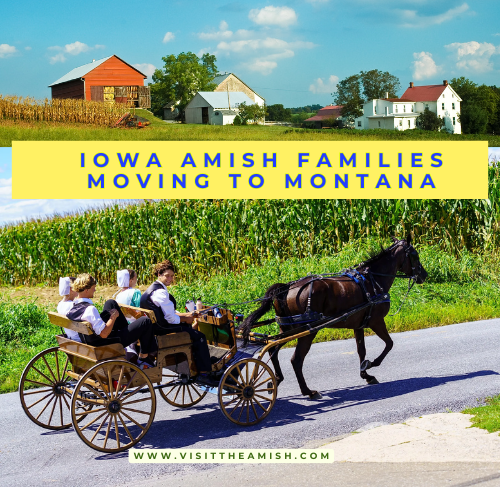
Iowa Amish Families Moving To Montana

The Amish community in Jackson County, Iowa, is undergoing significant changes as several families relocate to Montana. This migration has led to noticeable transformations in the local landscape and community dynamics.

In 1996, Albert and Edna Keim established a farm between Andrew and Bellevue, initiating an Amish settlement that grew to 14 families over the years[4]. Many of these families originated from Cashton, Wisconsin, drawn by the promise of a new community in northeast Iowa.

However, Albert Keim’s longstanding desire to live in Montana’s less populated prairies ultimately led to a significant exodus. In December 2002, the Keims, along with five related families, moved their belongings to Ashland, Montana[4]. This migration has left only three unrelated Amish families in Jackson County.

The departure of these families has visibly altered the local scenery. Where horse-drawn buggies once stood in front yards, farm trucks now occupy driveways. Approximately a dozen rural homes have been reconnected to the electrical grid, marking a shift away from the traditional Amish lifestyle[4].

The remaining Amish families in Jackson County have diversified their economic activities. One family specializes in carpentry, another builds mini-barns, and the Kurtz family produces furniture and candy[4]. However, the future of these families in the area remains uncertain.

Alma and Gideon Kurtz, part of the remaining Amish community, are contemplating their next steps. They express a willingness to stay if the Amish community can be rebuilt but are considering a move to Beetown, Wisconsin, if no new families arrive[4].

The Amish presence in Jackson County had been a significant draw for tourism. Linda Sturtz, director of the Maquoketa Area Chamber of Commerce, noted that visitors often sought directions to Amish homes and businesses, prompting the creation of a local map to guide tourists[4].

As of 2003, established Amish communities in Iowa were primarily located in Buchanan, Davis, and Washington counties[4]. However, the Amish population in Iowa has grown significantly since then. By 2024, Iowa was home to several thriving Amish and Mennonite communities, including settlements in Davis County, Buchanan County, and Washington County[3].

The migration of Amish families to Montana aligns with a broader trend of Amish expansion across the United States. As of 2024, Montana hosts 13 Amish communities, more than double the number since 2010[3]. The oldest Montana Amish settlement is in Rexford, in the northwest corner of the state, while the largest is in Fergus County[3].

This movement of Amish families from Iowa to Montana reflects the community’s ongoing search for suitable locations to maintain their traditional lifestyle while adapting to changing circumstances. It also highlights the dynamic nature of Amish settlements, which continue to evolve and expand across the United States.

The Amish community in Montana has experienced significant growth since their initial settlement in the state. Here are the key developments:

  1. Initial settlement: The first Amish community in Montana was established in Rexford, west of Eureka, about a decade ago[2].
  2. Rapid expansion: Since 2010, Montana has more than doubled its number of Amish communities, with 13 communities found across the state as of 2024[3].
  3. Population growth: As of 2024, an estimated 1,000 Amish live among 11 communities in Montana[1].
  4. New settlements: Recent Amish settlements have been established in various locations, including:
  • Roberts, Carbon County
  • St. Ignatius, Lake County
  • Fergus County (largest settlement in Montana)
  • Roundup, Musselshell County
  • An area near Three Forks on the Jefferson River[1][2][3]
  1. Economic diversification: Amish in Montana have established businesses such as bakeries, delis, country stores, and shed-building enterprises[1].
  2. Adaptation to local conditions: Montana Amish are returning to agriculture while continuing to work in trades, finding a balance between traditional practices and new opportunities[2].
  3. Community integration: The Amish have been welcomed by local communities and have contributed to local economies and community-building efforts[1][3].

This growth reflects the Amish’s ongoing search for suitable locations to maintain their traditional lifestyle while adapting to changing circumstances[3].

Citations:
[1] https://www.onlyinyourstate.com/trip-ideas/montana/st-ignatius-day-trip-destination-mt
[2] https://yellowstonevalleywoman.com/new-neighbors-new-markets
[3] https://amishamerica.com/amish-state-guide/
[4] https://www.traveliowa.com/iowas-amish-mennonite-communities/
[5] https://en.wikipedia.org/wiki/List_of_U.S._states_by_Amish_population
[6] https://www.reddit.com/r/AskAnAmerican/comments/1d122n3/which_state_are_amish_people_live_in/
[7] https://www.amish365.com/where-are-the-amish-in-montana/
[8] https://bitterrootstar.com/2019/01/amish-community-chooses-stevensville-area/

Discover the Enchanting Amish Community of New Wilmington, PA


Wilmington Amish

Discover the Enchanting Amish Community of New Wilmington, PA

Nestled in the picturesque countryside of western Pennsylvania lies a hidden gem that offers visitors a unique glimpse into a simpler way of life. New Wilmington, a small town in Lawrence County, is home to a thriving Amish community that has preserved its traditional customs and values for generations. This article will take you on a journey through the fascinating world of the New Wilmington Amish, exploring their history, culture, and the many attractions that make this destination a must-visit for tourists seeking an authentic and enriching experience.

A Rich History

The story of the New Wilmington Amish community begins in 1847 when nine families, all bearing the surname Byler, made the journey from Ohio to settle in Lawrence County, Pennsylvania[1]. These pioneering families laid the foundation for what would become one of the most distinctive Amish settlements in North America.

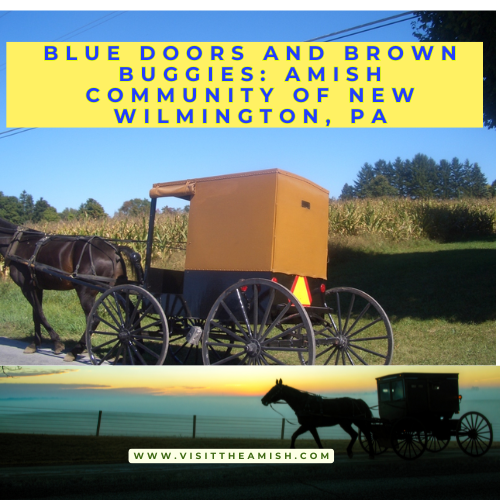
Over the years, the community has grown and flourished, maintaining its unique identity while adapting to the changing world around it. Today, the New Wilmington Amish are known for their distinctive blue doors and brown buggies, setting them apart from other Amish groups in the region[1][3].

Distinctive Features

Blue Doors

One of the most striking visual elements of the New Wilmington Amish community is the prevalence of blue doors on their homes. This unique tradition serves as a symbol of their identity and sets them apart from other Amish settlements. As you drive through the countryside, you’ll be captivated by the sight of pristine white farmhouses adorned with these vibrant blue entryways.

Brown Buggies

Another distinguishing feature of the New Wilmington Amish is their use of brown buggies[3]. While many Amish communities opt for black or gray buggies, the New Wilmington Amish have chosen brown as their signature color. These horse-drawn carriages are a common sight on the local roads, offering visitors a glimpse into the traditional mode of transportation that has remained largely unchanged for centuries.

Amish Culture and Lifestyle

The New Wilmington Amish community adheres to a way of life that emphasizes simplicity, hard work, and strong family values. Their commitment to these principles is evident in every aspect of their daily lives, from their clothing and technology choices to their agricultural practices and craftsmanship.

Clothing and Appearance

Amish clothing is designed to be modest and practical, reflecting their values of humility and separation from the outside world. Men typically wear dark-colored suits, plain shirts, and broad-brimmed hats. Women don plain, solid-colored dresses with long sleeves and full skirts, often accompanied by a white prayer covering or bonnet.

Technology and Modern Conveniences

The Amish of New Wilmington, like many other Amish communities, limit their use of modern technology to maintain their traditional way of life. However, it’s important to note that their relationship with technology is more nuanced than many outsiders assume. While they generally avoid electricity from public utilities and don’t own cars, some Amish businesses may use generators or solar power for specific purposes, always with the approval of their church leaders.

Agriculture and Craftsmanship

Farming remains a central part of Amish life in New Wilmington. The community is known for its well-maintained farms, where traditional agricultural methods are still practiced. Visitors can often see Amish farmers working their fields with horse-drawn equipment, a sight that seems to transport onlookers to a bygone era.

In addition to agriculture, the Amish are renowned for their exceptional craftsmanship. Woodworking, quilting, and furniture making are just a few of the skills that have been passed down through generations. The quality and attention to detail in Amish-made goods are highly sought after by collectors and enthusiasts from around the world.

Visiting New Wilmington

For tourists interested in experiencing the unique culture of the New Wilmington Amish, there are several ways to respectfully engage with the community and learn about their way of life.

Guided Tours

Several local tour operators offer guided visits to Amish farms and businesses. These tours provide an excellent opportunity to learn about Amish culture from knowledgeable guides while respecting the privacy of the Amish families. Visitors can observe traditional farming methods, see craftsmen at work, and even enjoy a meal in an Amish home.

Shopping for Amish Goods

One of the best ways to support the local Amish economy and take home a piece of New Wilmington is by purchasing authentic Amish-made products. Several shops in and around New Wilmington offer a wide range of handcrafted items, including furniture, quilts, toys, and food products.

wilmington amish

Amish-Style Dining

For a true taste of Amish culture, visitors can enjoy traditional Pennsylvania Dutch cuisine at local restaurants that serve Amish-inspired meals. These hearty, home-style dishes often feature locally sourced ingredients and time-honored recipes.

Local Attractions and Businesses

While the Amish community is the main draw for many visitors to New Wilmington, the area offers a variety of other attractions and businesses that cater to tourists. Here are some notable places to visit:

The Cheese House

Located at 3364 State Route 208, New Wilmington, PA 16142, The Cheese House is a popular stop for visitors looking to sample and purchase a wide variety of local and Amish-made cheeses. The shop also offers other gourmet food items and gifts.

The Apple Castle

This family-owned orchard and farm market has been a New Wilmington institution since 1861. Located at 277 State Route 18, New Wilmington, PA 16142, The Apple Castle offers fresh, locally grown produce, baked goods, and a variety of apple products.

Westminster College

While not directly related to the Amish community, Westminster College, located at 319 S Market St, New Wilmington, PA 16142, is a beautiful campus that adds to the charm of the town. Visitors can stroll through the grounds and admire the historic architecture.

New Wilmington Livestock Auction

For a unique experience, visitors can attend the weekly livestock auction held every Monday at 2756 Auction Rd, New Wilmington, PA 16142. This event provides insight into the agricultural aspects of both Amish and non-Amish farming in the region.

Amish school

Accommodations

While there are no hotels within New Wilmington itself, several nearby towns offer comfortable accommodations for visitors:

  1. Hampton Inn & Suites Grove City
    Address: 4 Holiday Blvd, Mercer, PA 16137
  2. Best Western Grove City Inn
    Address: 1924 Leesburg Grove City Rd, Grove City, PA 16127
  3. Comfort Inn
    Address: 118 Garrett Dr, Grove City, PA 16127

These hotels are all within a 20-30 minute drive from New Wilmington and provide easy access to the Amish community and other local attractions.

Respecting Amish Culture

When visiting the New Wilmington Amish community, it’s crucial to remember that you are entering a living, working community with its own customs and beliefs. Here are some guidelines to ensure a respectful and enjoyable visit:

  1. Always ask permission before taking photographs, especially of Amish people. Many Amish believe that posing for photographs goes against their religious beliefs.
  2. Dress modestly out of respect for Amish values.
  3. Avoid entering private property without invitation or permission.
  4. Be mindful of traffic when driving, as you may encounter horse-drawn buggies on the roads.
  5. Support local businesses by purchasing Amish-made goods and dining at local establishments.

Best Times to Visit

New Wilmington and its Amish community are beautiful year-round, but each season offers a unique experience:

  • Spring: Witness the awakening of nature as Amish farmers begin planting their crops.
  • Summer: Enjoy lush green landscapes and the opportunity to purchase fresh produce from roadside stands.
  • Fall: Experience the breathtaking autumn foliage and harvest-time activities.
  • Winter: See the serene beauty of snow-covered farms and potentially witness traditional ice harvesting.

Conclusion

A visit to the Amish community of New Wilmington, PA, offers more than just a tourist experience; it provides a window into a way of life that has remained largely unchanged for generations. The blue doors and brown buggies serve as visual reminders of the unique identity of this community, inviting visitors to slow down and appreciate the simpler things in life.

Whether you’re interested in history, culture, craftsmanship, or simply seeking a peaceful retreat from the fast-paced modern world, New Wilmington has something to offer. By approaching your visit with respect and curiosity, you’ll gain invaluable insights into the Amish way of life and create lasting memories of this enchanting corner of Pennsylvania.

As you plan your trip to New Wilmington, remember that the true value of your visit lies not just in the sights you’ll see or the goods you’ll purchase, but in the opportunity to gain a deeper understanding of a culture that continues to thrive in the heart of modern America. The blue doors and brown buggies of New Wilmington are more than just charming visual elements; they are symbols of a community that has much to teach us about the importance of tradition, hard work, and living in harmony with the land.

Citations:
[1] https://amishamerica.com/blue-doors-brow/
[2] https://profile.typepad.com/6p0120a605b364970b/events
[3] https://amishamerica.com/my-top-five-amish-settlements/
[4] https://newcastleshapenote.co.uk/amish-aprons-for-women
[5] https://butelinedance.co.uk/amish-aprons-for-women

Sweet Simplicity: 5 Easy Amish Desserts You Can Make Today!


Amish dessert

Here are some traditional Amish desserts that are easy to make, perfect for satisfying your sweet tooth while keeping things simple in the kitchen.

1. Amish Apple Dumplings

Amish Apple Dumplings Recipe

Amish apple dumplings are a delightful way to showcase fresh apples, wrapped in a buttery crust and baked in a sweet cinnamon syrup.

Ingredients:

  • 6 medium apples, peeled and cored
  • 2 cups all-purpose flour
  • 1 teaspoon salt
  • 1/2 cup shortening
  • 1/4 cup cold water
  • 1 cup sugar
  • 1 teaspoon cinnamon
  • 2 cups water

Directions:

  1. Preheat your oven to 350°F (175°C).
  2. In a bowl, mix flour and salt. Cut in shortening until crumbly. Add cold water gradually until dough forms.
  3. Roll out dough and cut into squares large enough to wrap around each apple.
  4. Place an apple in the center of each square, sprinkle with sugar and cinnamon, then wrap the dough around the apple.
  5. Place dumplings in a baking dish.
  6. In a separate bowl, mix water and remaining sugar and pour over the dumplings.
  7. Bake for about 45 minutes or until golden brown.

2. Amish Sugar Cookies

These classic Amish sugar cookies are simple yet delicious, featuring a soft center with slightly crisp edges.

Ingredients:

  • 1 cup butter, softened
  • 1 cup sugar
  • 2 eggs
  • 1 teaspoon vanilla extract
  • 3 cups all-purpose flour
  • 1 teaspoon baking powder
  • 1/2 teaspoon salt

Directions:

  1. Preheat your oven to 350°F (175°C).
  2. Cream together butter and sugar until light and fluffy.
  3. Beat in eggs and vanilla.
  4. In another bowl, mix flour, baking powder, and salt; gradually add to the creamed mixture.
  5. Drop by rounded tablespoons onto ungreased baking sheets.
  6. Bake for 8-10 minutes or until edges are lightly browned.

3. Amish Cake

This easy one-bowl Amish cake is moist and topped with a delicious nutty topping.

Ingredients:

  • 1/2 cup salted butter, softened
  • 2 cups brown sugar
  • 2 cups buttermilk
  • 3 cups all-purpose flour
  • 2 teaspoons baking soda

Nut Topping:

  • 6 tablespoons salted butter, softened
  • 4 tablespoons milk
  • 1 cup brown sugar
  • 1/2 cup chopped walnuts or pecans

Directions:

  1. Preheat your oven to 375°F (190°C) and grease a 9×13 inch baking pan.
  2. In a large bowl, cream together butter and brown sugar until smooth.
  3. Mix in buttermilk, then add flour and baking soda; stir until combined.
  4. Pour batter into the prepared pan and bake for about 30 minutes.
  5. For the topping, combine ingredients in a bowl; spread over warm cake and broil for about 3 minutes until bubbly.

4. Amish Oatmeal Pie

This pie is reminiscent of pecan pie but uses oatmeal instead for a chewy texture that’s hard to resist.

Amish Oatmeal Pie

Ingredients:

  • 1 unbaked pie crust
  • 1 cup brown sugar
  • 1/2 cup granulated sugar
  • 3 eggs
  • 1/4 cup melted butter
  • 1 teaspoon vanilla extract
  • 2 cups rolled oats

Directions:

  1. Preheat your oven to 350°F (175°C).
  2. In a mixing bowl, combine sugars, eggs, melted butter, and vanilla; mix well.
  3. Stir in oats until evenly distributed.
  4. Pour filling into the pie crust.
  5. Bake for about 40 minutes or until set.

5. Amish Chocolate Chip Whoopie Pies

These delightful treats consist of soft chocolate cookies filled with creamy frosting.

Amish Chocolate Chip Whoopie Pies

Ingredients:

For the cookies:

  • 1 cup unsweetened cocoa powder
  • 1 cup granulated sugar
  • 1/2 cup brown sugar
  • 1/2 cup vegetable oil
  • 2 eggs
  • 2 teaspoons vanilla extract
  • 2 cups all-purpose flour
  • 1 teaspoon baking soda

For the filling:

  • 1/2 cup butter, softened
  • 2 cups powdered sugar
  • 1 teaspoon vanilla extract

Directions:

  1. Preheat your oven to 350°F (175°C).
  2. In a large bowl, mix cocoa powder, sugars, oil, eggs, and vanilla until smooth.
  3. Gradually add flour and baking soda; mix well.
  4. Drop by tablespoonfuls onto ungreased baking sheets and bake for about 10 minutes.
  5. For the filling, beat together butter, powdered sugar, and vanilla until creamy.
  6. Once cookies are cool, spread filling on one cookie and top with another.

These traditional Amish desserts are not only easy to make but also embody the warmth and comfort of Amish cooking traditions. Enjoy making these recipes with family or friends for delightful gatherings!