Recent Posts

Where Are The Amish Communities In Missouri?


Missouri is home to approximately 9,000 Amish, making the state the seventh-largest Amish population. Jamesport historian Lanita Smith notes that this northwest Missouri community relies heavily on tourism, hosting multiple festivals throughout the year and having no electricity or phones - they use horse and buggy for transportation instead.

Where Are The Amish Communities In Missouri?: Community, Simplicity, and Resilience: The Strengths of Missouri’s Amish Way of Life

Missouri Amish Communities

Missouri is home to approximately 9,000 Amish, making the state the seventh-largest Amish population. Jamesport historian Lanita Smith notes that this northwest Missouri community relies heavily on tourism, hosting multiple festivals throughout the year and having no electricity or phones – they use horse and buggy for transportation instead.

Jamesport

Jamesport is home to one of the largest Old Order Amish settlements west of Chicago and draws tourists from all over to witness an authentic lifestyle that remains unchanged over time. Visitors come from far and wide to experience this peaceful village life that stands the test of time; restaurants and unique stores abound here – not forgetting handmade goods and quilts made locally! Families also often own shops here which make an excellent way of giving memorable gifts!

The Amish are well known for their simplicity, but also possess an incredible strength and sense of responsibility among its people. When faced with difficult situations they are adept at finding solutions; giving their opinions when required. Furthermore, they prefer areas without any zoning regulations which allows them to run businesses uninterrupted allowing them to live off of the land as part of an independent community.

Although Amish people may be shy to initiate conversations with non-Amish visitors, a polite wave or simple question will likely result in dialogue. Visitors should remember that Amish are open to making new acquaintances but must respect differences among themselves.

Amish in this region are mostly farmers, though some also work in construction and operate small businesses out of their homes. Some Amish also belong to the Swiss Amish community (read more) and can often be identified by open-top buggies and using German dialect as identification features.

Chillicothe offers visitors a unique opportunity to learn more about sliced bread’s history at the Sliced Bread Innovation Center, which occupies the building where its first inventor, William Waddell, first created it back in 1928. There are numerous interactive exhibits as well as a video that offers more insight into this development process.

Popular tourist locations in the area include Country Cupboard Restaurant and Jamesport Tavern, both offering traditional American food. If you have a sweet tooth there are also various bakeries to satisfy it.

missouri amish communities

Seymour

Seymour, Missouri offers an easily accessible small town experience perfect for anyone seeking relaxation. Situated in southwest Missouri, Seymour boasts numerous parks, trails and lakes while also hosting various annual events that bring locals together.

Seymour boasts an array of restaurants and tourist attractions. One such popular choice is Cracker Barrel Old Country Store, serving American comfort food such as meatloaf and country fried steak in a homey atmosphere with exceptional customer service. Their menu also features delicious offerings like loaded baked sweet potatoes and fried okra for guests’ pleasure.

Sunshine Cafe, known for American diner food, features an all-day breakfast menu with over 50 items to choose from and 30 toppings you can select. They are known for their concrete custard which is famously affordable and convenient.

Steinker Platz is another attraction in Seymour that stands out. Tucked into historic downtown Seymour, the pocket park provides open green space that encourages relaxation and recreation. Boasting handcrafted trellises as well as historical buildings surrounding it, Steinker Platz makes an excellent place to spend some time and take in Seymour.

Visitors who want to explore other areas of Missouri should head over to Top of the Ozarks Off Road Park, featuring over 940 acres of easily navigable, clearly marked trails ranging from easy to extreme difficulty. It also features climate controlled shower facilities, campground, and restaurant – and hosts the annual Ozarks Jeep Jamboree!

If you’re traveling to Seymour from Springfield, it is wise to first research traffic conditions and the weather forecast before departing on your journey. Seymour lies approximately 16 miles away making it an ideal location for weekend excursions.

Amish families live in small communities that are highly self-reliant. They make their own clothing, furniture and household items from scratch; with no electricity or indoor plumbing access in their homes; horse and buggy transportation being their mode of choice and clothing secured using hooks and eyes instead of buttons for securement.

Bowling Green’s Amish community, established in 1947, is Missouri’s oldest. They follow a strict interpretation of church regulations: motorcycles are not permitted, nor phones or travel outside their district; church services take place exclusively within private homes or other secret locations rather than public structures.

Bowling Green also boasts an active Mennonite community in addition to its Amish residents. Both groups share similar beliefs; however there are distinct distinctions between them; Mennonites are descendants of Swiss-German Mennonites who were persecuted for refusing infant baptism and mandatory military service – an experience similar to Amish persecution during World War I.

Missouri Amish have seen impressive growth over recent years and are currently the seventh-largest Amish population in North America, according to Elizabethtown College’s Young Center for Anabaptist and Pietist Studies. There are now over 9,000 Amish in Missouri across 81 church districts according to Elizabethtown’s data.

The largest Amish communities can be found in Seymour, Jamesport and Clark counties; each containing 10 or more church districts. Their growth can be attributed to Amish migration from other states – Pennsylvania in particular – as well as average Amish family sizes consisting of five children each.

Bowling Green

Bowling Green, Missouri offers an abundance of fascinating tourist attractions and activities for visitors of all ages to enjoy, making it the ideal destination for family vacations or romantic escapes alike. Bowling Green also boasts numerous restaurants and shopping opportunities including Branding Iron Smokehouse and Dairy Queen as well as its annual Christmas Parade.

Bowling Green lies at the gateway of the Mississippi River and Mark Twain National Forest. Hannibal, home of Mark Twain’s Boyhood Home, can be reached quickly while St. Louis remains popular tourist spots nearby.

City is an excellent destination, boasting numerous museums and historic locations for exploration. Outdoor activities abound here too, from fishing lakes to campgrounds and corn mazes – and not forgetting a world-renowned smoked meats producer as well as an Amish community offering handcrafted woodworking!

In the 1800’s, Barren River quickly began its rapid development into a bustling town. By 1820 it had become the county seat for Pike County. A branch of Bank of the Commonwealth opened a branch there as local merchants created newspapers, private schools, public buildings and churches. Steamboats and paddle wheelers traveled down its river corridor, bringing goods from Louisville, Nashville and Hopkinsville.

James Beauchamp Clark was an influential politician of his day who lived in a Folk Victorian two-story front gable and wing frame house known as Honey Shuck, now listed on the National Register of Historic Places as a museum. Clark rose through the ranks from city attorney, state legislator and ultimately United States Representative before finally retiring at Honey Shuck in 1976.

Bowling Green has grown into a popular tourist destination and regional center for education and agriculture, served by Bowling Green R-1 School District with two elementary and one secondary schools operating. Additionally, this city houses the University of Missouri-Bowling Green as well as various private colleges and universities.

Pennsylvania’s Amish Communities: A Window into Timeless Traditions


"Pennsylvania's Amish Communities: A Window into Timeless Traditions"

Pennsylvania’s Amish Communities: A Window into Timeless Traditions

Amish Tourism in Pennsylvania

Pennsylvania offers many attractions and activities focused around Amish culture. Visitors can ride horse-drawn buggies or tour local Amish homes and farms before shopping for handcrafted quilts and crafts made by Amish craftspeople.

Amish values center around simplicity, tradition and Christian principles. Many Amish live without electricity or cars and are known for their hospitality and generosity.

AMISH RESTAURANTS

Lititz

Lititz is an ideal destination to spend a weekend. Its historic streets are filled with shops and eateries that celebrate local culture and history, while its restaurants serve up delicious Amish meals as well as international fare. Plus many attractions and activities here are free or inexpensive!

One of the top things to do in Lititz is exploring its historic buildings. Some notable buildings to visit include Linden Hall and Johannes Mueller House on Main Street; both provide insight into Moravian Church history. Lititz also boasts numerous covered bridges such as Keller’s Mill Covered Bridge and Guy Bard Covered Bridge for visitors to enjoy.

Savory Gourmet is another fantastic spot to shop. Offering an impressive variety of exotic meats and gourmet cheeses, these products can help create the perfect charcuterie board or barbecue spread. Additionally, this store boasts an incredible array of gift items!

amish tourism pennsylvania

Lititz offers many unique things to do, including the 4th of July parade which draws thousands each year – known as one of the oldest annual Fourth of July celebrations. Additionally, you can attend second Friday in Lititz – an ongoing monthly event featuring musicians, dancers, artists and entertainers; shops remain open late while restaurants become packed.

Lititz is home to several notable landmarks, including America’s first commercial pretzel bakery – Julius Sturgis Pretzel Bakery – open daily and must-visit destination for tourists visiting Lititz. Furthermore, Lititz boasts an acclaimed theater scene as well as top-tier restaurants.

Visit Lititz Springs Park when visiting Lititz and make sure to stroll through its picturesque trails and take in all its beauty. With playgrounds, volleyball courts, pavilions and family gathering areas – it makes an excellent place for relaxing walks.

Strasburg

Are You Curious About Amish Culture? Take a Buggy Ride or Visit an Amish School/Homestead! These tours allow visitors to see first-hand how the Amish live, including meals or village tours; plus there’s always shopping at Amish-owned businesses or visiting nearby Railroad Museum of Pennsylvania!

Strasburg is famous for its Amish culture and history, along with its shops and restaurants. The town makes an ideal family destination, with activities designed to keep children busy while their parents explore this historic place. Train lovers should not miss visiting Strasburg Railway or visiting its Choo Choo Barn; special family events also occur throughout the year!

Many Amish people live on farms and produce traditional goods like quilts and furniture, selling their wares at local markets and fairs such as Bird-in-Hand Farmers Market in Virginia Beach where you can purchase produce, meats and cheeses, canned goods, baked goods as well as crafts and gifts.

Amish Museum: Another popular tourist destination! Specializing in historical and ethnographic exhibits, this free attraction boasts an expansive variety of exhibits located within an historic building – perfect for tours! Additionally, souvenirs and gifts can be purchased from its store onsite.

The Amish Museum is an excellent attraction for adults, offering both educational and entertaining exhibits and displays. Additionally, guided tours and group discounts are available, with tour guides from Amish or ex-Amish households that can answer any of your queries regarding their culture.

Strasburg offers many delicious Amish-style restaurants, such as Bird-in-Hand Bakery, Fireside Tavern and Smokestack BBQ. Each offers delicious food in an inviting environment – their menus feature both modern and classic options!

Intercourse

Intercourse is an intriguing village located in Lancaster County that features many interesting shops and fun things to do. As well as Amish lifestyle information and shopping bargains, Intercourse also has restaurants and attractions sure to please all visitors of all ages! Whether it be learning more about Amish life or finding incredible bargains – Intercourse has everything!

Intercourse’s most beloved activity is touring Amish country by buggy or wagon, attending a play, visiting farms to witness how Amish live, Kitchen Kettle Village for watching Amish women can jams and jellies or Antique Car Museum to get up-close-and-personal views of vintage cars.

While in Intercourse, make sure to sample some of its local cuisine – everything from sandwiches and smorgasbords to sit down restaurants is available here. There are also shops where you can purchase homemade products or freshly-baked pretzels.

There are various theories as to how the town got its name. One theory holds that it was named for an original tavern located there, while another theory holds that it was named after two major roads crossing each other here: Old Kings Highway (Rt 340) from Philadelphia to Pittsburgh intersected here, making this “intercourse.”

Intercourse PA offers plenty of places for visitors to enjoy a bite to eat, from restaurants and independent stores to chain stores and tour options such as Plain & Fancy Farm’s Amish settlement or wineries with handcrafted beers and ales.

Staying overnight in an Inn will allow you to fully experience Amish culture while taking advantage of luxurious modern hotel comforts. The Historic Smithton Inn provides spacious rooms and suites, luxury amenities, and lightning fast WiFi – you’ll feel right at home in this historic stone building where people have been sleeping since before the United States even existed!

New Wilmington

New Wilmington is an ideal tourist spot for anyone wanting to gain more insight into Amish life. Situated in Pennsylvania, this small town hosts several Amish-run and owned restaurants that serve traditional Amish fare and provide visitors with a glimpse into Amish culture.

New Wilmington is at its most beautiful during autumn, when its trees burst with color. Additionally, New Wilmington is known for its annual Fall Art Walk exhibition that provides visitors with an immersive art exhibition experience. Furthermore, many activities can be enjoyed such as helping with pumpkin and apple harvesting!

Take an Amish buggy ride for an enjoyable and educational tour through the area and community, perfect for spending a day or weekend together as a family and even providing guests with the unique experience of dining in one of their homes!

Be Prepared Before You Go

If you are traveling to Amish Country, make sure you plan ahead by booking accommodations well in advance and booking during the week rather than on weekends if possible; doing this may save money and give more flexibility with regards to itinerary planning. Furthermore, peak tourist seasons like summer or holiday seasons should also be avoided for optimal experience.

Amish Country can provide an exciting and educational experience for the whole family. Its towns offer unique attractions and intriguing shops; many sell Amish-crafted crafts and products such as quilts, furniture and jams/jellies made by hand; you may also find local food available at farmers markets in this area.

Visit museums and historic sites dedicated to Amish culture to gain more insight. Most are open year-round, while some even host special holiday events. A visit to Amish country will leave lasting impressions!

Visit Amish Country is an unforgettable experience for anyone interested in witnessing simpler living conditions. The Amish community is warm and accommodating, adhering strictly to their religious principles. Their lifestyle makes for captivating viewing, while its beautiful setting make this an excellent vacation spot.

Amish Ohio: A Journey into the Past, Present, and Future of Traditional Living


Amish Ohio: A Journey into the Past, Present, and Future of Traditional Living

Amish Ohio: A Journey into the Past, Present, and Future of Traditional Living

A trip to Ohio Amish Country is a way to disconnect from the hustle and bustle of modern life. Visit a one-room Amish schoolhouse and country barn or shop for handcrafted furniture made by local Amish.

It is generally safe to travel in the Amish community, as long as visitors exercise caution on narrow country roads and respect the local culture and religion. Bring cash, as many shops do not accept credit cards.

Where to Find Amish Communities

The state of Ohio is home to Amish communities in many of its counties, including the world’s largest Amish population in Holmes County. Known as Amish Country, the area offers tourists a glimpse of a simpler way of life and is a popular destination for people interested in purchasing traditional Amish handicrafts. The most popular activities in Amish Country include shopping for handmade goods, taking a buggy ride or enjoying a meal at an Amish restaurant.

The Amish are a unique group of Christian separatists that follow a strict lifestyle without modern technology or conveniences. They dress simply, do not wear jewelry or other types of adornments and drive horse and buggies instead of cars. They also live on their own farmland and raise livestock and produce milk, butter, eggs and other dairy products. Amish children are typically baptized by age six and attend school through eighth grade.

Those who are interested in visiting Amish Country can enjoy learning more about their beliefs and practices by touring an Amish house, farm or church. For example, Yoder’s Amish Home provides educational guided tours of two Amish residences and farms while Amish Heartland Tours conducts trips that include a visit to an Amish family. Those who want to shop for Amish goods can visit stores such as Lehman’s in Kidron, which carries a wide variety of old-fashioned practical housewares, appliances, tools and supplies.

Visitors may also want to attend a special event, such as an Amish festival or harvest celebration. The Amish are a very community-oriented group and celebrate many of their festivals and celebrations together.

Amish and Mennonites are similar groups that share many religious beliefs, but there are some differences between their practices. For example, the Amish tend to be more restrictive with their use of technology and do not allow their children to have social media accounts. Mennonites, on the other hand, often allow their youth to use modern devices and are less strict about their use of horses.

For those who want to stay overnight in Amish Country, there are numerous campgrounds and RV parks. Some of these provide a rustic setting and feature primitive amenities, while others offer more luxury options with full hookups.

Trip Tips

Known for its lush farmland, serene landscapes and charming Amish villages and towns, Ohio Amish Country offers visitors the opportunity to unwind from daily stresses. Visitors can learn about a lifestyle that has remained unchanged for generations and sample delicious foods, shop at great markets and stay in some of the state’s best overnight accommodations.

To get the most out of your trip, make sure you plan for at least a few days. The area is so large and full of amazing things to see and do, you will need a few days to truly experience the beauty and tranquility of this unique region. It’s also important to visit on weekdays or Saturdays, as many Amish owned businesses are closed on Sundays (this includes their cars, which are usually left at the side of the road for families to use as buggies to travel between church services and family visits).

In addition to the wonderful restaurants and shops in Amish Country, you will find plenty of great places to hike, bike or stroll along a town greenway. Enjoy some peace and quiet while visiting the beautiful Laurelville Arboretum or hike along the Kokosing Gap Trail, which is one of the area’s best kept secrets.

The Amish are renowned for their craftsmanship, with a special emphasis on woodwork and leather goods. You can find handmade items in almost every store in the area, from furniture and jewelry to quilts, leather wallets and hand-sewn clothing. In fact, many Ohioans have at least one piece of Amish-made furniture in their home, such as a wooden bench, table or rocking chair.

While the Amish tend to avoid modern technology, they are adept at embracing it in a way that preserves their traditions. For example, if you want to purchase some handmade crafts or a homemade quilt, be sure to visit the shops in downtown Millersburg and the quaint town of Berlin. You will also find a number of stores, including Lehman’s, that offer a wide variety of Amish-made merchandise.

If you are looking for something a little different, visit the Holmes County Open Air Art Museum. This unique outdoor museum is located on the grounds of the Inn at Honey Run in Millersburg and features incredible works of art that are displayed throughout the scenic property. You can also hike along a swinging bridge or climb a fire tower at nearby Mohican State Park to take in the stunning views of the gorge.

Popular Restaurants

There are so many unique things to do and see when you visit Amish Country Ohio. From handmade craft stores and heirloom furniture galleries to antique malls and flea markets, Amish Country has something for everyone. If you want to learn more about Amish culture, there are tours and eateries that will let you experience Amish life for a day or so.

Amish restaurants are popular amongst visitors because they feature hearty, home-style meals at a fair price. You’ll find plenty of options that will cater to different dietary restrictions as well. Try the all-you-can-eat, hot dinner buffets at Der Dutchman or try a traditional breakfast of pan-fried chicken or tender roast pork.

You should also try some of the Amish-made foods and products on offer. For instance, make sure to get a huge bag of Hershberger’s kettle corn. This snack is one of the best in town and it’s usually served by a friendly Amish man. The bakery at Miller’s is also worth a stop. You’ll find fresh-baked breads, donuts, cookies, and other treats here.

The Amish community is also known for its artisanal cheese and sausages. A trip to Amish Country isn’t complete without a stop at Heini’s Cheese Chalet. It’s a great place to pick up some cheese to take back home for your family and friends.

If you’re looking for a place to stay, there are several hotels in Amish Country. The Inn at Honey Run is a beautiful, upscale getaway that’s perfect for couples looking to escape to a peaceful setting. The Barn Inn is another great option for a family vacation with large rooms and plenty of amenities for the whole group.

Another great way to get a taste of Amish culture is to visit the Alpine Hills Historical Museum. It’s a fun and educational place for kids as well as adults to learn about the village’s unique European heritage. It’s also located in the charming town of Sugarcreek, nicknamed “The Little Switzerland of Ohio.” This three and a half square mile village is a popular tourist destination where you can shop for handcrafted gifts, enjoy a horse-drawn trolley ride or explore the whimsical world’s largest cuckoo clock.

Stores

Many of the stores in Amish Country feature goods made by local artisans. From roadside stands selling homemade brooms to large retail showrooms harboring acres of Amish-made household furniture, shoppers find unique items for their homes and for gifts for friends.

Amish people are highly skilled artisans who make clothing, quilts, leather goods, food products and all sorts of other goods using traditional methods. They are particularly adept at making hardwood furniture and are often willing to give you tours of their factories to show you the process.

In addition to artisan homegoods, many Amish communities have shops that sell bulk foods, baked goods and handmade cheeses. You’ll also find locally-made jams and spreads, coffee and chocolates as well as specialty items like heirloom quilts.

While Walmart and other big box stores have squeezed out mom-and-pop shops, there are a few Amish businesses that still thrive. Alyssa Eliot, for example, grew up in Sugar Creek and went to Pittsburgh for college but returned to open the European-inflected Cottonwood Shanty store on downtown West Jackson Street. Her shop features a mix of new and vintage pieces, from wood-topped apothecary jars to handmade tea cozies.

Other popular stops include Keim Lumber, a hardware wonderland in Charm, and Kaufmann Lawn Furnishings in Mt. Hope. At the latter, you’ll be able to browse two floors of Amish-made furnishings from dining tables to gazebos.

If you are looking for an unusual gift or item, you can’t go wrong with Lehman’s in Kidron. It is one of the largest stores specializing in non-electric technology and carries a wide range of items including wood-burning stoves, kitchen supplies, soapmaking equipment, cast iron skillets and silicone cooking utensils.

Another great place to find an interesting gift is the Amish Flea Market in Berlin. This huge 35,000 ft. store has everything from organic laundry detergents to Amish-made wooden furniture and even offers classes in baking and canning. There are also lots of little things that you might not expect to see at a store like this, including a selection of pet cages and toys.

Bird-In-Hand Mashed Potato Casserole Recipe


In this delightful recipe, we bring you an irresistible Amish mashed potato casserole that embodies the comforting flavors and rustic charm of the Amish culture. Prepared with love and care, this dish combines velvety smooth mashed potatoes with a harmonious blend of traditional ingredients, resulting in a hearty and soul-satisfying casserole that will transport you to a cozy farmhouse kitchen. So gather your ingredients, embrace the timeless essence of Amish cooking, and let's embark on a culinary journey that celebrates both tradition and taste.

Bird-In-Hand Mashed Potato Casserole Recipe

In this delightful recipe, we bring you an irresistible Amish mashed potato casserole that embodies the comforting flavors and rustic charm of the Amish culture. This comes from an Amish lady in Bird-In-Hand, Pennsylvania. Emma Yoder says this was always a family favorite.

Prepared with love and care, this dish combines velvety smooth mashed potatoes with a harmonious blend of traditional ingredients, resulting in a hearty and soul-satisfying casserole that will transport you to a cozy farmhouse kitchen. So gather your ingredients, embrace the timeless essence of Amish cooking, and let’s embark on a culinary journey that celebrates both tradition and taste.

Ingredients

  • 2 1/2 pounds russet potatoes, cut into chunks
  • 6 tablespoons butter (divided) 
  • 1/2 teaspoon garlic powder (or to taste)
  • 1 cup half and half or whole milk
  • 1/4 cup sour cream
  • 1 1/2 cups shredded cheddar cheese (divided)
  • 4 – 5 strips bacon, cooked and crumbled
  • 4 green onions, chopped

Directions: 

  1. Cook the potatoes in a pot of salted, boiling water until tender, about 15 to 20 minutes.
  2. Drain well and mash.
  3. Add 4 tablespoons of the butter, garlic powder, half and half, sour cream, half of the cheese, bacon and green onions.
  4. Season with salt and pepper. Mix well. 
  5. Melt the remaining 2 tablespoons butter in an ovenproof skillet.
  6. Spoon the mashed potato mixture into the skillet and top with the remaining cheese. 
  7. Bake in a preheated 425-degree F oven for about 15 minutes. 

Amish Enclaves in the Heartland: Exploring Nebraska’s Hidden Communities


Amish Enclaves in the Heartland: Exploring Nebraska's Hidden Communities

Amish Enclaves in the Heartland: Exploring Nebraska’s Hidden Communities

Nebraska is home to several Amish settlements, each with its own unique charm. The largest and most well-known is the Amish community in the town of Milford. Here, you’ll find a bustling town filled with Amish-owned businesses, including furniture stores, quilt shops, and bakeries. Other notable settlements include those in the towns of Axtell, Bee, and Elkhorn.

amish communities in the state of nebraska

Amish Communities in Nebraska

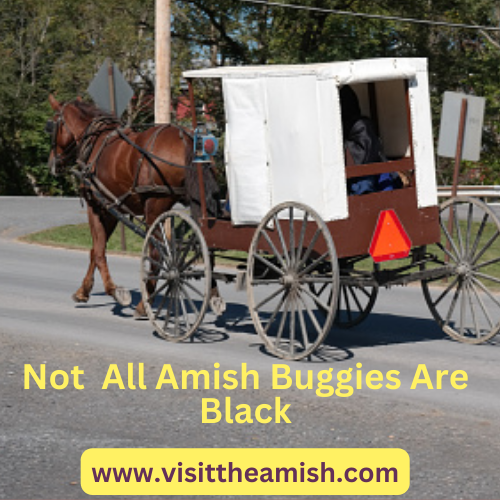
Nebraska Amish are renowned conservative affiliation, known for their white-topped buggies. Established in 1881 as an offshoot of Byler Amish, they quickly established themselves as an autonomous congregation in Nebraska.

Milford

Visitors to Milford will discover an array of attractions ranging from historical landmarks to natural beauty. Its beaches and historic downtown area provide opportunities for fishing, boating and shopping activities; plus the town offers several pet-friendly restaurants which allow their customers to dine outdoors at outdoor tables while offering various menu options including vegetarian fare.

The World’s Largest Covered Wagon may have seen better days, but it still draws visitors from across the nation. Once an outstanding example of mimetic architecture – with 50 feet long by 50 feet high white building covered by roofing shingles with four 24-foot wheels bolted to its corners for height – and topped by a cowboy Muffler Man – this Nebraska roadside attraction remains popular today.

Milford Historical Society boasts an array of exhibits and tours, such as Eells-Stow House dating back to 1700. This museum houses historic artifacts, documents, photographs that highlight Milford’s unique history and culture. Milford also boasts the Igor I. Sikorsky Memorial Bridge which provides stunning views of Housatonic River as well as surrounding scenery – it serves an integral purpose in local transportation infrastructure while being an attractive tourist attraction and popular local gathering point.

Bee

Nebraska offers many natural attractions, from rolling hills and green forests to peaceful countryside living. Beekeeping can also be found throughout Nebraska as there are many opportunities available to get involved in this industry – making beekeeping a great way to enjoy nature!

Nebraska is home to over 20 native bumblebee species that provide essential pollination services, making beekeepers very happy indeed! But these insects are far from being the only form of bee in existence – in fact there are more than 4,000 different kinds in existence across America – all providing crucial services both agriculturally and as an important element of ecosystem health.

Bees are social creatures that live in hives. Hives contain one fertile female known as the queen and drones or male bees who fertilize her eggs, as well as worker bees who build nests, feed their young, take care of the queen, communicate through pheromones or body language and care for both.

Nebraska has a minimum combined sales tax rate of 5.5%; county and city sales taxes remain zero percent. Due to COVID-19’s impact, filing deadlines in Bee may have changed, which makes staying compliant difficult without an automated solution like AvaTax.

Elkhorn

Elkhorn, located on Omaha’s western edge, was originally an independent city until incorporated into Omaha in 2007. Residents enjoy small-town living while still being close to everything the big city can provide; making Elkhorn an excellent choice for families looking for suburban living without paying urban prices.

Elkhorn offers many popular restaurants and shopping options, from Pearson and Company in its downtown area to Shevy’s Steak House, Heartland Cafe, Boyd and Charlie’s BBQ and Boyd and Charlie’s BBQ in its newer Shoppes of Legacy complex. Additionally, Upstream, Roja, Baby Blue Sushi Bars such as Shucks Oyster Bar are located there as well.

Elkhorn offers many exciting attractions for tourists to experience, such as its annual Elkhorn Days festival held the second weekend in June. This festival includes a parade, vendors, food trucks, music performances, corn hole and 3-on-3 basketball tournaments as well as car shows – plus much more!

Elkhorn real estate is relatively affordable, with home prices beginning at $200,000. When purchasing a home here it is essential to take the commuting time into consideration as traffic from west Elkhorn into downtown Omaha can be slow during rush hour traffic if working midtown or downtown. Also there may be construction projects taking place nearby which could disrupt your daily routine and could increase commute time significantly.

Axtell

Axtell, located approximately an hour south of Omaha, boasts an Amish community that draws visitors from across the nation. Its picturesque landscape features horse-drawn buggies, expansive gardens and small schoolhouses. Axtell also has several tourist attractions and restaurants that serve homemade foods that draw people in from all corners of America.

Axtell’s Amish residents are widely respected craftsmen. They are famous for producing handmade furniture and quilts made by hand, home baked goodies, canned delicacies and canned treats made with locally harvested fruits. Furthermore, the Amish share strong family ties as well as taking an pacifist approach to life.

The Amish community in Axtell can be broken into three distinct groups, the Nebraska Amish, Byler Amish group and Renno Amish group. Of these groups, Nebraska Amish are considered the most conservative as they live without electricity and use horse-drawn buggies for transportation; furthermore they do not permit motorized lawnmowers and do not use tractors in fieldwork activities.

Nebraska Amish Settlement was established in 1880 by a group of Amish families from Juniata County, Pennsylvania. Led by Yost H. Yoder – an early Amish bishop – it eventually formed into Axtell, and now encompasses more than 350 families.

Amish Farm Life: A Deep Connection Between People, Animals, and Land


"Amish Farm Life: A Deep Connection Between People, Animals, and Land

Amish Farm Life – A Deep Connection Between People Animals and Land

The Amish are a culture that is based on a set of morals, traditions, and customs. They also believe that God has a personal interest in their lives and that they are part of a community.

The Amish follow these values and practices for generations, and their faith and dedication is a key elements of this culture. They also practice compassion and respect for each other.

The Amish have an enduring relationship with the land. They grew up on farms and still rely heavily on them for their livelihoods, including raising livestock for food and animal breeding for profit.

When visiting Amish Country, you’ll have the opportunity to see how this lifestyle is put into practice firsthand through visits to actual working farms. Some of these farms even run without electricity, and visitors can ride along on a horse-drawn wagon tour as the Amish farm their fields.

Amish farmers often use horses to plow their fields and haul hay, as it is more sustainable than using a tractor. Using horses also reduces the number of hours the Amish have to work on their farms, which allows for more time to spend with family and friends.

Dan and Malinda Hershberger, who own 10 Belgian horses, said they plow early in the season to accommodate the animals’ needs, and they allow them to rest during breaks when the plows are not in the field. They also take hay on longer trips, which keeps the horses from overheating.

The use of horses is also part of the Amish culture, which encourages tight-knit communities and helps limit the amount of land each person can own. Many Amish families have only a few acres, which makes farming with horses a more efficient and effective way to grow crops.

The Amish have a history of abstaining from modern medicine, so they rely heavily on their own remedies and homemade medicines.

They do not smoke, drink or take drugs and are required to follow the strictest rules of their faith. These guidelines help guide their lives and the way they interact with others.

Despite their beliefs, the Amish have also come under fire for their waste disposal practices. In some Midwestern counties, the Amish have been accused of spreading sewage on their farms, a practice that violates state sewage laws and puts county governments on the defensive.

People

In a world that is becoming more and more disconnected from the land, Amish farm life offers an opportunity to connect with nature in a meaningful way. The Amish have long embraced a deep connection to the land that has been woven into their lives, and this is something that people of all backgrounds can learn from.

The Amish are a religious community that believes in living a simple and modest life while following the teachings of Jesus Christ. They also practice a nonresistant approach to life and are known for their adherence to the Ordnung, an unwritten set of rules that governs their lives and explains how they choose to live.

Despite the Amish’s strict beliefs, they have been able to maintain a farming lifestyle that is both sustainable and environmentally friendly. Many Amish farmers still use horse-drawn plows and implements to break up the soil.

There are many ways to experience Amish farm life. One of the best is to visit a local Amish farm and take a tour. You can see how they plow the fields, weed the crops, and harvest the fruits of their labors.

Amish farm life is a fascinating glimpse into what it was like to live in the 1800s when the focus of people’s lives was on family and faith instead of work, money, and fast-paced schedules. The Amish community is full of examples that demonstrate how genuine communities are built on voluntary interactions and respect for property rights.

Amish farmers do have to follow health codes related to the disposal of their wastes. They must ensure that their outhouses are sanitary and clean, and they must avoid polluting nearby waterways.

Some of these practices are based on an old belief that humans and animals should be treated with respect. Animals need to have a place to live, food to eat, and space to move around. Amish farmers make sure that their animals have the best life possible, including access to clean water and plenty of hay for grazing.

Environment

Farming is an important part of Amish culture. It is a way of life that involves hard work, simplicity, and faith.

It is also a means of providing food and clothing to Amish families. Amish farmers grow crops and raise animals to provide for their families.

Many Amish farmers have adopted a more environmentally friendly approach to farming than their parents did. They are turning away from synthetic pesticides and herbicides, which they believe damage the soil, and they use more organic methods of growing their food.

This type of farming is often considered an alternative to conventional farming and is referred to as sustainable agriculture. This form of farming is a system of agricultural production that emphasizes diversity, decentralization, community, independence, harmony with nature, and restraint.

In addition, the Amish avoid government subsidies. In fact, Amish members generally do not pay Social Security or Medicare.

Besides being a major source of income, farms are seen as a long-term investment that will produce profits for generations to come. Amish families do not purchase land for speculation, but to be in the family forever.

Amish communities support each other during times of need. If one farmer is ill and can’t work on the farm, the whole community steps in. They can help plow the field, haul water, or clear trees for a new home.

Children also play an important role on the Amish farm. They help with weeding, planting, and harvesting vegetables. They are also involved with hand-milking their own cows.

They even help with building a house or barn when necessary. It is called a “frolic,” and the entire community comes together to raise the building.

The Amish value family, and they spend much of their time with their families. They have an average of seven children per family.

During childhood, Amish kids learn about their community and the importance of living simply. They are taught that learning in school only accounts for half of their knowledge; the other half is gained through vocational education or “education by doing.”

This helps them to develop a strong work ethic and self-reliance. They also believe that education is not an end in itself but rather a journey. They are encouraged to become lifelong learners, and they are given vocational schooling once a week.

Community

The Amish are a mysterious people to most Americans, but they lead a simple lifestyle. They wear plain clothes, have no cars or phones, and use horses instead of tractors to plow the ground and harvest their crops.

They also have no septic systems, indoor plumbing or electricity. The Amish’s beliefs dating back centuries, tell them to abstain from these modern conveniences.

Most Amish families own a small farm that they live on and work on. It is typically a 5-acre to 100-plus acre farm that focuses on either producing vegetables or raising livestock.

Although Amish farming is a traditional part of their culture, they are a growing number of Amish who are moving away from it and getting into trades or going into business as a way to make money.

Despite all this, the Amish still have a deep connection between their animals and land. They believe that their land is a gift from God and that they should be careful not to destroy it with pollution or other harmful practices.

Amish farmers often rely on manure from their livestock to fertilize the soil and to keep it healthy for plant growth. They also carefully rotate their crops and grow plants in companion plantings to help increase biodiversity on their farms.

In addition to their relationship with the land, Amish farmers are also connected to the community. They are not afraid to help one another with their needs on the farm. This is a huge part of their culture and it makes them tight-knit.

For example, they participate in barn raising, a tradition that involves several families working together to build or rebuild a barn. This is a great example of how Amish community members support each other and are willing to give their time for free to do so.

It is a great way for the Amish to get together and have fun at the same time. This is especially important when you consider that most Amish live on a small farms and don’t have much money to spend on things like entertainment.