Savor the Tradition with Authentic Amish Apple Fritters
The Amish community is renowned for its rich traditions and commitment to a simpler way of life. One delightful aspect of their culinary heritage is the Authentic Amish Apple Fritters. These delectable treats are a perfect blend of sweet, tart apples and a crispy, golden-brown exterior. Join us on a journey to discover the charm of Amish cooking and learn how to make these mouthwatering fritters in your own kitchen.
Ingredients:
2 cups all-purpose flour
1/4 cup granulated sugar
1 tablespoon baking powder
1/2 teaspoon salt
1 teaspoon ground cinnamon
2 large eggs
1 cup whole milk
2 cups peeled, cored, and diced apples (such as Granny Smith or Honeycrisp)
Vegetable oil for frying
Instructions:
Prepare the Batter: In a large mixing bowl, whisk together the flour, sugar, baking powder, salt, and ground cinnamon. In a separate bowl, beat the eggs and then add the milk, mixing well. Pour the wet ingredients into the dry ingredients and stir until just combined. The batter should be slightly lumpy.
Add Apples to the Batter: Gently fold in the diced apples, ensuring that they are evenly distributed throughout the batter. The apples provide a burst of flavor and a delightful texture to the fritters.
Heat the Oil: In a deep fryer or a large, deep skillet, heat vegetable oil to 350°F (175°C). Make sure there’s enough oil to submerge the fritters.
Scoop and Fry: Using a spoon or an ice cream scoop, carefully drop portions of the batter into the hot oil. Fry the fritters until they turn golden brown on both sides, usually about 2-3 minutes per side.
Drain and Cool: Once the fritters are golden and crispy, use a slotted spoon to remove them from the oil and place them on a plate lined with paper towels to drain any excess oil. Allow the fritters to cool slightly.
Optional Glaze: For an extra touch of sweetness, you can drizzle the fritters with a simple glaze made from powdered sugar and a little milk. Mix until smooth and then drizzle over the warm fritters.
Serve and Enjoy: Serve the Authentic Amish Apple Fritters while they are still warm. The combination of the tender apples and the crispy exterior is sure to delight your taste buds.
Conclusion: Bringing the tradition of Amish cooking into your home has never been more delicious. These Authentic Amish Apple Fritters are a testament to the community’s commitment to simple, flavorful ingredients. Share these delightful treats with family and friends, and savor the warmth and authenticity of Amish cuisine.
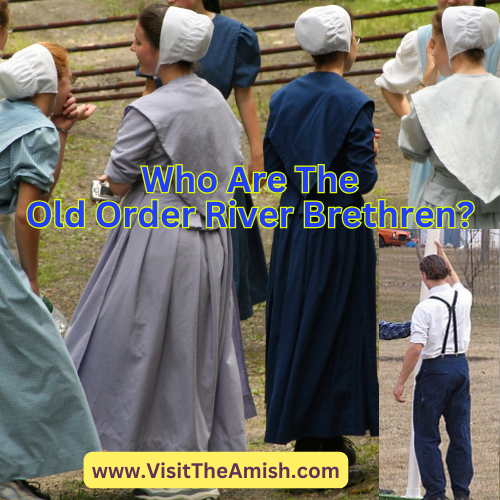
The Old Order River Brethren are a denomination of Anabaptist Christianity with roots in the Radical Pietist movement. They originated around 1778 in Pennsylvania, United States. The Old Order River Brethren continue the practice of plain dress and emphasize the symbolic nature of outdoor baptism, which they perform regardless of weather, even breaking ice as a symbol of their commitment to follow Jesus regardless of the cost.
They hold conservative beliefs, including the rejection of war, alcohol, tobacco, and worldly pleasures. The group is known for its commitment to traditional practices and plain dress, reflecting a conservative and traditionalist approach to their faith and lifestyle.
The Old Order River Brethren, also known as the Brethren in Christ, are a conservative Anabaptist group with a distinctive emphasis on traditional practices and plain dress. They are a close-knit community that places a strong emphasis on nonconformity to the world and the teachings of Jesus.
The group’s commitment to simplicity is reflected in their rejection of modern conveniences and technologies, as well as their agrarian lifestyle.
The Old Order River Brethren are known for their dedication to community, humility, and service, and they place a strong emphasis on nonresistance and nonviolence. Their commitment to traditional practices and plain dress sets them apart as a distinctive and traditionalist Anabaptist group within the broader religious landscape of the United States.
The Old Order River Brethren, sometimes confused with the Amish, originated around 1780 near the Susquehanna River in Lancaster County, Pennsylvania.
They accentuate the teachings of Jesus in His Sermon on the Mount, where non-resistance to enemies is stressed. They emphasize honest relationships with neighbors and co-workers, daily family worship, careful raising and teaching of children, respect for the elderly, and volunteering.
Many River Brethren ladies are quilters, and they use their quilting talents to help others. Family relationships and passing down of traditions are important to the Old Order River Brethren, and they hold Quilting Bees to benefit their children’s schools and missions. They drive cars, usually black, and have electricity, computers, and microwaves if they are useful to their business and home life
The German Baptist Brethren, also known as the Old German Baptist Brethren, are a religious group that originated from the Pietist movement in Germany during the early 18th century. They are a part of the Anabaptist tradition and are known for their stalwart faith, practice of adult believers’ baptism, pacifism, and resolute non-oath taking.
The German Brethren developed from the Pietist movement of Philip Spener and are closely aligned with Anabaptist groups such as the Mennonites. The Old German Baptist Brethren historically believe in baptismal regeneration, emphasizing the obedience of the new believer through faith, repentance, and baptism.
The church is known for its strict adherence to traditional practices and has a rich history that has been meticulously preserved and shared by dedicated researchers, historians, and archivists.
The German Baptist Brethren have a significant presence in the United States, particularly in the state of Pennsylvania, where they have established strong communities. The church’s members have been known to refer to themselves as German Baptists or simply Brethren.
The German Baptist Brethren, also known as the Old German Baptist Brethren, have communities in various locations, with a significant presence in the United States. The group originated in Schwarzenau, Germany, in the early 18th century and subsequently migrated to North America due to persecution and economic hardship.
The Brethren originally settled in Germantown, Pennsylvania, and then dispersed to other areas of Pennsylvania. Today, there are about 6,100 members of the Old German Baptist Brethren in the United States, with a significant number residing in the Central Valley, primarily north of Modesto, California, where members began to purchase land in the 1920s. While the community has a strong presence in Pennsylvania and California, there are also members located in other parts of the United States
The Old German Baptist Brethren are recognized for their commitment to traditional religious practices and their reluctance to embrace modern technologies, as evidenced by a church division in 2009 that was influenced by the debate over the use of the internet and the authority of the annual meeting.
The German Baptist Brethren, also known as the Old German Baptist Brethren, have a cautious and controlled approach to the use of technology in their daily lives. They are recognized for their reluctance to embrace modern technologies and their commitment to a traditional way of life.
Members of the Old German Baptist Brethren community typically do not have radios, television sets, stereos, tape recorders, VCRs, or large musical instruments in their homes. There has been an ongoing debate over the use of the Internet since the mid-1990s, and as of 2015, a group of nine Brethren was working autonomously with outside communications companies to address some form of business use of technology.
The community’s increasing adherence to traditional patterns of dress and practice, as well as its conservatism, has influenced the decision of some members to move to more traditional horse and buggy groups. The Old German Baptist Brethren prioritize modesty, simplicity, and a traditional way of life, which is reflected in their cautious approach to the use of technology.
The Old German Baptist Brethren have a cautious approach to the use of technology in their daily lives, prioritizing traditional practices and beliefs over the adoption of modern technologies. Some examples of technology that they may use in their daily lives include:
Business Use of Technology: As of 2015, a group of nine Brethren was working autonomously with outside communications companies to address some form of business use of technology.
Digital Resources in Church: There are instances of the use of digital resources in the church, such as using tablets to register people’s attendance on a cloud-based church database and the use of digital communication methods. However, this usage is likely limited and carefully considered, as the community prioritizes traditional practices.
Debate Over Internet Use: There has been a long debate over the use of the Internet within the community since the mid-1990s. This indicates that while some members may use the Internet for specific purposes, the community as a whole approaches its use with caution.
While the Old German Baptist Brethren have a cautious approach to technology, there are instances of its use in specific contexts such as business and church activities. However, the community’s overall stance reflects a prioritization of traditional practices and beliefs over the widespread adoption of modern technologies.
In summary, the German Baptist Brethren view the use of technology in their daily lives with a strong emphasis on control and selectivity, prioritizing traditional practices and beliefs over the adoption of modern technologies. This cautious approach is in line with their commitment to modesty, simplicity, and a traditional way of life.
The Old German Baptist Brethren, known for their cautious approach to technology, have traditionally used technology in their farming practices to a limited extent. While they prioritize traditional and manual farming methods, there have been instances of the use of modern farming equipment and technology within the community.
For example, some members have utilized large equipment and GPS-controlled seeding and spraying, indicating a degree of automation in their farming processes1. Additionally, there have been instances of the use of digital resources in the church for animal, feed, and crop management, reflecting a selective and controlled approach to the use of technology in farming practices
In conclusion, the German Baptist Brethren are a unique religious group with a rich history and distinct set of beliefs and practices. Their origins in the Pietist movement, commitment to traditionalism, and presence in the United States make them an intriguing subject for further exploration and study.
Unveil the secrets of a cherished classic with our delightful old-fashioned sugar cream pie recipe! This dessert is a symphony of smooth and velvety textures, intertwining the rich essences of butter, cream, and vanilla. Despite its unassuming appearance, the flavors are nothing short of extraordinary.
Enter the realm of the Indiana Cream Pie, a gem among homemade cream pies. The Amish sugar cream pie boasts a luscious filling and a tantalizing caramelized cinnamon topping, effortlessly crafted from basic pantry staples.
This recipe is not just a culinary creation; it’s an homage to Amish ingenuity, where simplicity and flavor reign supreme. More than a pie, it’s a slice of Midwestern heritage served on a plate.
Ingredients This egg-free custard pie is an unexpected delight, with the full list of amounts and the method provided below. In essence, here’s what you’ll need to create this culinary masterpiece:
For the Pie
Granulated Sugar: The key to sweetness, forming the signature sugary crust. Cornstarch: The magic thickener for the custard-like consistency without eggs. Butter: A rich addition for a smooth texture and a caramelized topping. Heavy Cream: The heart of the pie, creating a luscious, irresistible filling. Vanilla Extract: A teaspoon that makes all the difference with its subtle, aromatic flavor. Deep-Dish Pie Crust: The canvas for your creamy masterpiece, ready to be filled and baked to perfection.
For the Topping:
Cinnamon: Paired with sugar, it creates a warm, caramelized crust. Melted Butter: Enhances the cinnamon sugar with a lovely, buttery finish.
How to Make Sugar Cream Pie This egg-free delight is easy to make but destined to impress. The recipe relies on simple steps and promises big flavors:
Preheat the oven to 350 degrees Fahrenheit.
Combine sugar, cornstarch, butter, and cream in a large saucepan over medium heat until it thickens.
Stir in the vanilla off the heat.
Pour the filling into the crust and top with melted butter.
Prepare the topping and sprinkle it over the melted butter.
Bake the pie for 25-30 minutes or until it’s set and golden.
Let the pie cool completely and refrigerate until ready to serve.
Step into the kitchen, embrace the charm of tradition, and savor the essence of bygone days with our Amish sugar cream pie. It’s not just a recipe; it’s a journey through time, encapsulating the warmth and flavor of a bygone era.”
Delicious and Easy Amish Pasta Recipes to Try at Home The Amish community is known for its traditional and wholesome approach to cooking, and their pasta recipes are no exception. If you’re looking to add a touch of rustic charm to your dining table, consider trying these delightful Amish pasta recipes. From classic one-pot pasta to tangy macaroni salad, these dishes are sure to please your family and friends.
Classic One-Pot Pasta
Ingredients:
12 ounces spaghetti or homemade egg noodles
6-8 tablespoons olive oil
2 medium onions, chopped
2 medium carrots, very finely chopped
2 cloves garlic, minced
1 pound ground beef
1 can (28 ounces) diced tomatoes
1 can (6 ounces) tomato paste
2 cups water
1 tablespoon sugar
1 tablespoon dried oregano
Salt and pepper to taste
Directions:
In a large pot, heat the olive oil over medium heat. Add the onions and carrots and cook until they begin to soften.
Add the garlic and ground beef to the pot. Cook until the beef is browned, breaking it up with a spoon as it cooks.
Stir in the diced tomatoes, tomato paste, water, sugar, and oregano. Season with salt and pepper.
Break the spaghetti into smaller pieces and add it to the pot. Stir to combine all the ingredients.
Bring the mixture to a boil, then reduce the heat and let it simmer for about 20 minutes, or until the pasta is tender.
Serve the one-pot pasta hot, garnished with fresh herbs if desired.
This hearty and flavorful one-pot pasta is a beloved Amish dish that’s perfect for a cozy family dinner.
Amish Pasta Salad
Ingredients:
1 16-ounce box medium shell pasta, uncooked
5 hard-boiled eggs, chopped
1 cup celery, chopped
1/2 cup sweet onion, chopped
1 2-ounce jar pimentos, drained
1 cup green pepper, chopped
1 cup mayonnaise
1/4 cup granulated sugar
2 tablespoons mustard
2 tablespoons white vinegar
1/2 teaspoon salt
1/4 cup finely diced red bell peppers
1/4 cup finely diced carrots
Directions:
Cook the pasta according to the package directions. Drain and rinse with cold water.
In a large bowl, mix the cooked pasta, chopped eggs, celery, onion, pimentos, and green pepper.
In a separate bowl, prepare the dressing by whisking together the mayonnaise, sugar, mustard, vinegar, and salt.
Add the diced red bell peppers and carrots to the dressing, then pour the dressing over the pasta mixture. Stir well to combine.
Chill the pasta salad until serving. It’s a delightful side dish for any gathering or as a light meal on its own.
This refreshing and creamy Amish pasta salad is a timeless favorite that’s perfect for picnics, potlucks, or simple family meals. Whether you’re craving a comforting one-pot pasta or a zesty pasta salad, these Amish recipes are sure to bring a touch of tradition and flavor to your table. Enjoy the wholesome goodness of Amish cooking with these delightful pasta dishes.
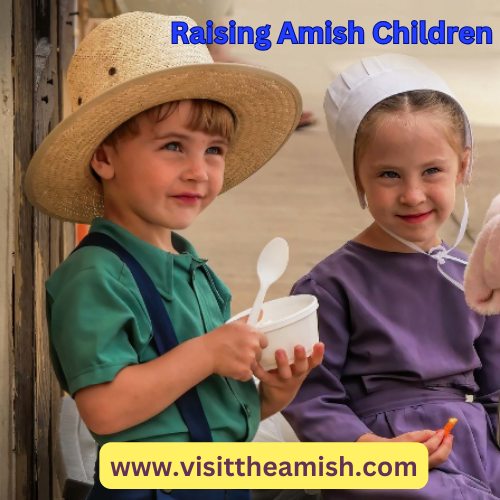
The Amish are a group of traditionalist Anabaptist Christian church fellowships with Swiss German and Alsatian origins. They are known for their simple living, plain dress, and reluctance to adopt many conveniences of modern technology. Amish children are raised in close-knit communities and are typically educated in Amish parochial schools, where they are taught the values and skills necessary for life within the community. The Amish place a strong emphasis on family, faith, and hard work, and children are expected to contribute to the household and community from a young age.
Education
Amish children usually attend Amish parochial schools, where they are taught traditional subjects like reading, writing, and arithmetic, as well as practical skills such as farming and homemaking. Education is highly valued in the Amish community, but formal education typically only goes up to the eighth grade. After that, children focus on learning practical skills that will be useful for their future roles within the community.
Amish children’s education is a fundamental aspect of their upbringing, shaped by the community’s values and traditions. Typically, Amish children begin their formal education at the age of six, attending Amish parochial schools where they are taught traditional subjects such as reading, writing, and arithmetic, alongside practical skills like farming and homemaking. The Amish prioritize education, but formal schooling usually concludes after the eighth grade, after which children focus on learning practical skills essential for their future roles within the community.
Amish education is rooted in the community’s cultural and religious beliefs. The curriculum in Amish schools emphasizes basic skills, including reading, math, writing, and penmanship. Additionally, students are taught some history, geography, and social studies, all of which are tailored to prepare them for life within the community1.
The educational approach is hands-on, with a focus on preparing children for adult responsibilities. After completing formal schooling, children receive vocational training or “education by doing,” which involves learning about farming techniques or other trades relevant to their future roles5.The Amish school system is distinct, with one-room schoolhouses being a common sight in Amish communities. These schoolhouses provide a local and communal setting for education, allowing children to learn within close proximity to their homes.
The teachers in these schools are typically unmarried Amish women with an eighth-grade education, who instruct all eight grades. Older students often assist in educating younger ones, fostering a collaborative learning environment23.The emphasis on practical skills and vocational training reflects the Amish belief in the importance of preparing children for their future roles within the community. This approach to education is aligned with the Amish value of simplicity and self-sufficiency. It also serves to preserve the community’s traditional way of life and ensure that essential skills are passed down through the generations4.
In summary, Amish children’s education is deeply intertwined with the community’s cultural and religious values. While formal education only extends to the eighth grade, the focus on practical skills and vocational training equips children with the knowledge and abilities necessary for their future roles within the community. The unique approach to education in Amish parochial schools reflects the community’s commitment to preserving its traditions and sustaining a self-sufficient way of life.
Health and Safety
Research has shown that the Amish have lower rates of certain health conditions, such as cancer, which has been attributed to their lifestyle and diet. However, the Amish community also faces unique health challenges, such as childhood farm injuries, due to their agrarian way of life. Efforts have been made to design safety intervention programs for Amish youth to address these challenges.
Research has indicated that the Amish community exhibits lower rates of certain health conditions, such as cancer, which has been attributed to their distinctive lifestyle and diet. However, the Amish also face unique health challenges, particularly related to childhood farm injuries, stemming from their agrarian way of life. In response to these challenges, efforts have been made to design safety intervention programs for Amish youth.
The Amish, a traditionalist Anabaptist Christian group with Swiss German and Alsatian origins, have garnered attention for their relatively lower rates of certain health conditions, including cancer. A study conducted by the Ohio State University Medical Center revealed that the overall cancer rates in the Amish are 60 percent of the age-adjusted rate for Ohio2. This finding has been linked to the Amish lifestyle, which involves limited exposure to factors associated with higher cancer rates, such as tobacco and alcohol use, as well as a diet that is typically low in processed foods and high in fruits and vegetables2.
The Amish’s emphasis on physical activity due to their agrarian way of life is also believed to contribute to their lower cancer rates2.Despite these health benefits, the Amish community faces unique health challenges, particularly concerning childhood farm injuries. A study published in the Journal of Pediatric Nursing highlighted the prevalence of childhood farm injuries in Old-Order Amish families1. The agrarian nature of the Amish way of life exposes children to potential hazards on the farm, leading to a higher incidence of injuries compared to non-agrarian communities1. These injuries can have significant implications for the health and well-being of Amish children, necessitating the development of targeted intervention strategies.
In response to the specific health challenges faced by the Amish community, efforts have been made to design safety intervention programs, particularly focusing on addressing childhood farm injuries. A study by Dellinger Wayne detailed the design of an agricultural safety intervention program specifically tailored for Ohio Amish youth1.
These programs aim to raise awareness about potential hazards on the farm and educate children about safety measures to prevent injuries. By addressing the unique health challenges associated with the Amish agrarian way of life, these intervention programs seek to mitigate the risks and promote the well-being of Amish youth.
In conclusion, while the Amish community exhibits lower rates of certain health conditions, such as cancer, attributed to their lifestyle and diet, they also face distinctive health challenges, particularly related to childhood farm injuries due to their agrarian way of life. The development of safety intervention programs tailored to address these challenges reflects a proactive approach to promoting the health and well-being of Amish children within their unique cultural and environmental context.
Cultural Values
The Amish place a strong emphasis on preserving their cultural and religious traditions. This includes the practice of Rumspringa, a period during adolescence when Amish youth are given the opportunity to experience the outside world before committing to the Amish way of life. Despite this exposure to modern society, the majority of Amish youth choose to remain within the community. In conclusion, Amish children are raised within a unique cultural and religious framework that emphasizes simplicity, hard work, and traditional values. Their education, health, and safety are all influenced by the customs and beliefs of the Amish community, which has led to a growing body of research focused on understanding and addressing the specific needs of Amish children.
The Amish community places a strong emphasis on preserving its cultural and religious traditions, which profoundly influences the upbringing of Amish children. One notable practice that reflects this commitment is Rumspringa, a period during adolescence when Amish youth are given the opportunity to experience the outside world before committing to the Amish way of life. Despite this exposure to modern society, the majority of Amish youth choose to remain within the community. Amish children are raised within a unique cultural and religious framework that emphasizes simplicity, hard work, and traditional values, influencing their education, health, and safety.
Amish children’s upbringing is deeply rooted in the community’s cultural and religious traditions. The practice of Rumspringa, which translates to “running around” in Pennsylvania Dutch, is a significant aspect of Amish youth culture. During this time, typically starting at around age 16, Amish adolescents are granted a degree of freedom to explore the outside world, engage in activities not typically permitted within the community, and make their own choices before ultimately deciding whether to fully commit to the Amish faith and way of life1.Despite the exposure to modern society during Rumspringa, the majority of Amish youth ultimately choose to remain within the community and embrace the traditional Amish lifestyle.
This decision is influenced by various factors, including the strong sense of community, the value placed on traditional beliefs and practices, and the close-knit nature of Amish social life. The decision to return to the community and adhere to the Amish way of life after Rumspringa is a testament to the resilience of Amish cultural and religious traditions in the face of external influences1.The unique cultural and religious framework in which Amish children are raised has a profound impact on various aspects of their lives, including their education, health, and safety.
Amish education is distinct, with an emphasis on basic skills such as reading, math, writing, and penmanship, as well as practical subjects that prepare children for their future roles within the community, such as farming and homemaking3. The Amish school system typically concludes formal education after the eighth grade, after which children focus on learning practical skills essential for their future roles within the community5.In terms of health and safety, while the Amish exhibit lower rates of certain health conditions, such as cancer, attributed to their lifestyle and diet, they also face unique health challenges, particularly related to childhood farm injuries due to their agrarian way of life2.
Efforts have been made to design safety intervention programs for Amish youth to address these challenges, reflecting a proactive approach to promoting the health and well-being of Amish children within their unique cultural and environmental context2.In conclusion, the upbringing of Amish children is intricately woven into the fabric of the community’s cultural and religious traditions. The practice of Rumspringa, the emphasis on simplicity, hard work, and traditional values, and the unique approach to education, health, and safety all reflect the enduring commitment of the Amish community to preserve its distinctive way of life and pass it on to future generations. The specific needs of Amish children have increasingly become the focus of research, reflecting a growing recognition of the importance of understanding and addressing these needs within the context of the Amish cultural and religious framework.
ID used to identify users for 24 hours after last activity
24 hours
_gat
Used to monitor number of Google Analytics server requests when using Google Tag Manager
1 minute
_gali
Used by Google Analytics to determine which links on a page are being clicked
30 seconds
_ga_
ID used to identify users
2 years
__utmx
Used to determine whether a user is included in an A / B or Multivariate test.
18 months
_ga
ID used to identify users
2 years
__utmv
Contains custom information set by the web developer via the _setCustomVar method in Google Analytics. This cookie is updated every time new data is sent to the Google Analytics server.
2 years after last activity
__utmc
Used only with old Urchin versions of Google Analytics and not with GA.js. Was used to distinguish between new sessions and visits at the end of a session.
End of session (browser)
__utmz
Contains information about the traffic source or campaign that directed user to the website. The cookie is set when the GA.js javascript is loaded and updated when data is sent to the Google Anaytics server
6 months after last activity
__utmt
Used to monitor number of Google Analytics server requests
10 minutes
__utmb
Used to distinguish new sessions and visits. This cookie is set when the GA.js javascript library is loaded and there is no existing __utmb cookie. The cookie is updated every time data is sent to the Google Analytics server.
30 minutes after last activity
_gac_
Contains information related to marketing campaigns of the user. These are shared with Google AdWords / Google Ads when the Google Ads and Google Analytics accounts are linked together.