Recent Posts

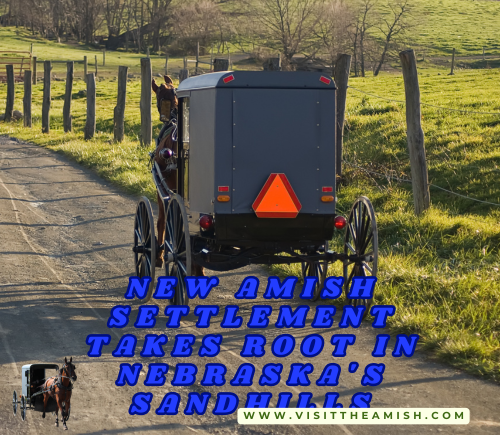
New Amish Settlement Takes Root in Nebraska’s Sandhills


New Amish Settlement Takes Root in Nebraska's Sandhills

New Amish Settlement Takes Root in Nebraska’s Sandhills

In an unexpected turn of events, a group of Amish families has chosen the vast, rolling prairies of Nebraska’s Sandhills as their new home. The settlement, located 15 miles south of Kilgore in Cherry County, marks a significant departure from traditional Amish territories in the eastern United States.

Reuben Miller, the 46-year-old bishop of the Kilgore Amish community, led the move earlier this year. “I’ve had itchy feet for a long time, and I like the West,” Miller explained. “I wanted to get away from people.”

The group, originating from Michigan and Kentucky, purchased a 5,038-acre ranch along the Niobrara River for $9.65 million. This substantial investment underscores the community’s commitment to establishing a lasting presence in the area.

Currently consisting of Miller’s family of 13, the settlement aims to grow to 15-20 families, potentially rivaling the population of nearby Cody, Nebraska’s second-largest community in Cherry County.

The Kilgore Amish belong to the “Michigan Amish Fellowship” or “Michigan Circle,” a reformist network that allows some modern conveniences while maintaining traditional values. For instance, they permit landline phones and battery-powered tools but rely on horse-drawn implements for farming.

Despite the challenges of adapting to the drier climate and sandy soil, the Amish have been warmly received by local residents. Their skills in construction and willingness to take on various jobs have been particularly appreciated in an area short on contractors.

Nebraska amish

The settlement has already established two businesses: a saw sharpening service and a log-home kit production facility. These enterprises aim to provide employment opportunities within the community, allowing families to work close to home.

As the Kilgore Amish settlement continues to grow, it represents a new chapter in the expansion of Amish communities across the United States. With an estimated 367,000 Amish people now living in 32 states, the move to Nebraska’s Sandhills demonstrates the adaptability and resilience of this traditional culture in modern America[1].

The Amish settlers in Nebraska’s Sandhills are facing several challenges in adapting to their new environment:

  1. Acclimation of draft horses: The draft horses are not yet fully acclimated to the drier grasses of the Sandhills[1].
  2. Environmental differences: The Amish are adjusting to the omnipresent cockleburs and deer flies, which are common in the area[1].
  3. Soil conditions: The sandy soil of the Sandhills is different from the more fertile soil they were accustomed to in their previous locations[1].
  4. Transportation limitations: The settlement is about 40 miles from Valentine, the nearest town with stores, and there is a lack of nearby “Amish taxi” drivers to provide transportation[1].
  5. Climate adaptation: The drier climate of the Sandhills requires adjustments in farming and daily life practices[1].
  6. Isolation: The remote location, while intentionally chosen, presents challenges in terms of access to resources and services[1].

These challenges highlight the significant environmental and lifestyle adjustments the Amish community is making as they establish their settlement in this unique region of Nebraska[1].

Citations:
[1] https://ppl-ai-file-upload.s3.amazonaws.com/web/direct-files/1202624/ac566f07-32e0-4df4-b96f-cf60b14081a3/paste.txt

Why Preble County is the Next Big Thing in Amish Tourism


Why Preble County is the Next Big Thing in Amish Tourism

The Amish community in Preble County, Ohio, centered around Eaton and New Paris, is a growing settlement that offers visitors a unique glimpse into a simpler way of life. This relatively new Amish community has been taking root in recent years, attracting both new settlers and curious tourists alike.

A Growing Amish Presence

The Amish settlement in Preble County has seen significant growth in recent times. Just a year ago, the community consisted of only four families, but it has since expanded to five, marking a 20% increase[1]. This growth is expected to continue, with more Amish families anticipated to arrive in the near future.

The center of this burgeoning settlement appears to be forming along Wolverton Road, north of Campbellstown and near the Indiana state line. Interestingly, this location is in close proximity to the bustling I-70 and the city of Richmond, Indiana, which is somewhat unusual for an Amish settlement that typically seeks more isolated rural areas[1].

Amish Businesses and Attractions

Despite its relatively small size, the Preble County Amish community has already established several businesses that cater to both locals and tourists. These enterprises not only provide income for Amish families but also offer visitors a chance to experience Amish craftsmanship and culinary skills firsthand.

Produce Stands and Bakeries

One of the highlights for visitors to the area is an exceptional Amish produce stand located on Wolverton Road, just south of US 35. This stand has been praised for its outstanding quality, variety, and convenience. Visitors can find an impressive selection of fresh produce, including tomatoes that have been described as “amazing-looking”[1].

amish produce stand

In addition to fresh produce, the stand offers homemade candies and jellies in a self-serve refrigerator. On Saturdays, visitors can also purchase homemade donuts, adding a sweet treat to their shopping experience[1].

Furniture and Woodworking

While specific Amish furniture stores in Preble County are not mentioned in the search results, it’s worth noting that woodworking and furniture production are common Amish occupations. In other Amish communities, such businesses are significant employers of Amish workers[4]. Visitors interested in Amish-crafted furniture might find opportunities to purchase these items directly from Amish craftsmen or in local shops.

Farm Visits

Some Amish farms in the area may be open to visitors, offering a glimpse into traditional Amish farming practices. While not specifically mentioned for Preble County, farm visits are common in other Amish settlements and could be a potential attraction as this community grows[3].

Tourist Attractions in Preble County

Beyond the Amish settlement, Preble County offers several attractions that may interest visitors:

Preble County Historical Society

Located at the intersection of state routes 503, 122, and 725 in southeast Preble County, the Preble County Historical Society is a must-visit for history enthusiasts. The society’s center is situated on a 255-acre farmstead and features:

  • A 19th-century farmstead
  • An 1813 log house
  • An exhibit hall
  • An 1855 smokehouse
  • Over six miles of hiking trails[2]

Lavendel Hills

Lavendel Hills is the first lavender field created and grown in Preble County. Visitors can explore the lavender fields, purchase lavender products, and potentially participate in events such as sunset yoga sessions during the growing season[5].

Hueston Woods State Park

Located in the southwest corner of Preble County, Hueston Woods State Park offers a range of outdoor activities for nature lovers. The park features:

  • Rustic camping
  • Hiking trails
  • A modern resort with an 18-hole championship golf course
  • Indoor and outdoor pools[6]

Local Festivals and Events

Preble County hosts several annual festivals and events that celebrate its rural heritage:

  • Black Walnut Festival in Camden
  • Preble County Pork Festival
  • Preble County Fair
  • Derby Days Celebration in Lewisburg
  • West Alexandria’s Oktoberfest
  • Chicken Barbecues in West Manchester
  • Apple Fest in New Paris
  • Eaton’s White Christmas[6]

Shopping and Dining

Visitors to Preble County can explore various local shops and eateries, some of which showcase Amish and local products:

Strike’s Farm Market

Located at 5786 Ohio 122 South in West Alexandria, Strike’s Farm Market offers a variety of products, including:

  • Bulk foods
  • Amish cheese and butter
  • Candies and snacks
  • Fresh fruits and produce
  • Baked goods

The market is open year-round, Monday through Saturday, from 9 am to 6 pm[7].

Morning Sun Organic Farm

For those interested in organic products, Morning Sun Organic Farm at 3993 Ohio 503 South in West Alexandria offers:

  • Healthy organic meat
  • Eggs
  • Wheat, spelt, and berries

The farm is open year-round but does not operate on Sundays[7].

Treasured Times Wood Works

Visitors looking for high-quality, handcrafted furniture can visit Treasured Times Wood Works at 6417 Enterprise Road in West Alexandria. They offer:

  • Heirloom quality furniture made to order
  • Oak, cherry, maple, mahogany, and hickory pieces
  • Clocks, including mantel, wall, and grandfather clocks made on-site

Hours are by appointment[7].

The Amish Way of Life

While enjoying the attractions and shopping opportunities, visitors to Preble County’s Amish community should be mindful of Amish customs and way of life. The Amish are known for their simple living, plain dress, and reluctance to adopt many modern technologies.

Farming remains a significant part of Amish life, although only about 17% of Amish households in some larger settlements report farming as their primary occupation[4]. Many Amish supplement their income through various trades and crafts, including woodworking, furniture making, and the production of handmade goods like quilts, baskets, and leather items[4].

Respecting Amish Culture

When visiting Amish businesses or areas, it’s important to be respectful of their beliefs and practices. Some tips for visitors include:

  • Asking permission before taking photographs, as many Amish prefer not to be photographed
  • Dressing modestly out of respect for Amish values
  • Being mindful that most Amish businesses are closed on Sundays
  • Driving carefully, especially on rural roads where you might encounter horse-drawn buggies

The Future of Preble County’s Amish Community

As the Amish settlement in Preble County continues to grow, it’s likely to become an increasingly popular destination for those seeking to experience Amish culture and craftsmanship. The community’s proximity to major highways and urban areas like Dayton and Cincinnati makes it easily accessible for day trips or weekend getaways[6].

The presence of the Amish community adds to the rich tapestry of Preble County’s history and culture. As one of Ohio’s primary tourist attractions, Amish Country plays a significant role in the local economy[4]. The growing Amish population in Preble County is poised to contribute to this trend, offering visitors authentic experiences and high-quality, handcrafted products.

In conclusion, the Preble County Amish settlement, though still in its early stages, offers a unique blend of traditional Amish culture and rural Ohio charm. From fresh produce stands to historical sites and natural attractions, the area provides a diverse range of experiences for visitors. As the Amish community continues to establish itself and grow, it’s likely to become an increasingly significant part of Preble County’s cultural and economic landscape, offering both residents and tourists a glimpse into a simpler way of life amidst the beauty of rural Ohio.

Citations:
[1] https://www.amish365.com/visit-to-an-amish-produce-stand-in-preble-county-ohio/
[2] https://ohio.org/things-to-do/destinations/preble-county-historical-society
[3] https://slate.com/human-interest/2023/10/amish-tourism-ohio-wayne-county.html
[4] https://en.wikipedia.org/wiki/Ohio_Amish_Country
[5] https://whatelsedoyouneed.com/preble-county-sunshine-sites-lift-your-spirit/
[6] https://www.prebco.org/251/Preble-County-History
[7] https://visitpreblecounty.org/shop/
[8] https://ohiosamishcountry.com/things-to-do
[9] https://ohiosamishcountry.com
[10] https://ohiosamishcountry.com/oacbr
Savor the Flavor: Top Amish Bakeries and Markets You Must Visit in WV


New Amish Savor the Flavor Top Amish Bakeries and Markets You Must Visit in WV

Several notable Amish businesses have established themselves in West Virginia, offering a variety of goods and services:

  1. Shady Hillside Variety Store & Kountry Krust Bakery: Located at 11 Grampys Lane, Forest Hill, WV, this store offers a classic Amish variety store experience along with baked goods.
  2. Hidden Creek Farm Market: A recently opened Amish-run market in Hillsboro, selling fresh produce, baked goods, and potentially dairy products in the future.
  3. Kitchen Creek Bakery: Found at 5510 Sweet Springs Valley in Gap Mills, this Amish-Mennonite bakery offers homemade bread and pepperoni rolls.
  4. Cheese ‘n’ More: Located at 5521 Sweet Spring Valley Rd., Gap Mills, this store provides bulk food goods, deli items, and furniture.
  5. Peaceful Hollow Discount Groceries: Situated at 44 Peaceful Hollow, Ballard, WV, this store operates from the basement of an Amish home.
  6. Mountaineer Amish Sales: While not run by the Amish themselves, this store in Morgantown offers Amish-made products, particularly portable buildings.
  7. Weavers Market: Located in Petersburg, WV, this grocery store provides Pennsylvania Dutch Amish products.

These businesses showcase the growing Amish presence in West Virginia, offering traditional goods and services while adapting to local demands and regulations.

Shady Hillside Variety Store & Kountry Krust Bakery

Located at 11 Grampys Lane, Forest Hill, WV, this store offers a classic Amish variety store experience along with baked goods[2]. The business is a dual operation, combining a traditional variety store with a bakery, providing customers with a diverse shopping experience.

The variety store section likely stocks a wide range of household items, crafts, and dry goods typical of Amish-run establishments. Meanwhile, the Kountry Krust Bakery produces an array of fresh-baked items, potentially including bread, rolls, pies, and other traditional Amish baked goods.

This business serves as a community hub, attracting both local residents and tourists interested in experiencing Amish culture and cuisine. Its presence in Forest Hill contributes to the local economy and helps preserve traditional Amish craftsmanship and culinary skills.

Hidden Creek Farm Market

Recently opened in Hillsboro, this Amish-run market sells fresh produce, baked goods, and plans to offer dairy products in the future[1]. The market is a collaborative effort of several Amish families who have established a new community in the area.

Hidden Creek Market

Hidden Creek Farm Market showcases a variety of locally grown fruits and vegetables, including tomatoes, peppers, corn, beans, potatoes, and seasonal fruits like blueberries, raspberries, and sugar plums. The baked goods section offers fresh bread, rolls, cinnamon rolls, pies, and cookies, all made using traditional Amish recipes and techniques.

The market operates on a seasonal schedule, open Mondays, Thursdays, and Fridays from 9 a.m. to 5 p.m., and Saturdays from 8 a.m. to 1 p.m. In the future, the market hopes to expand its offerings to include fresh dairy products, particularly raw milk, pending changes in West Virginia’s regulations regarding direct sales of raw milk[1].

Peaceful Hollow Discount Groceries

Situated at 44 Peaceful Hollow, Ballard, WV, this store operates from the basement of an Amish home[2][5]. This unique setup provides customers with an authentic Amish shopping experience while allowing the owners to maintain their traditional lifestyle.

The store specializes in discount groceries, offering a variety of food items at reduced prices. Many of these products may be close to their expiration dates but are still edible, providing budget-conscious shoppers with affordable options[2].

Peaceful Hollow Discount Groceries exemplifies the Amish community’s adaptability and entrepreneurial spirit. By operating this business from their home, the owners have found a way to engage in commerce while preserving their cultural values and way of life.

Mountaineer Amish Sales

While not run by the Amish themselves, this store in Morgantown offers Amish-made products, particularly portable buildings[3]. Founded by Chad Matheny in 2014, Mountaineer Amish Sales has been providing prefabricated portable sheds, cabins, and other structures crafted by Amish carpenters.

The business offers a wide range of products, including storage sheds, gazebos, garages, cabins, kennels, chicken coops, and outdoor furniture. All items are built to high-quality standards, reflecting the renowned craftsmanship of Amish builders.

Mountaineer Amish Sales operates multiple display lots across West Virginia and Pennsylvania, including locations in Fairmont, Hazelton, and Morgantown, WV. The company provides free delivery within 35 miles of any of their display lots, making their products accessible to a wide customer base[3][6].

These businesses showcase the growing Amish presence in West Virginia, offering traditional goods and services while adapting to local demands and regulations. They contribute to the state’s economic diversity and provide unique shopping experiences for both locals and tourists interested in Amish craftsmanship and products.

Citations:
[1] https://pocahontastimes.com/hidden-creek-farm-market-opens-in-hillsboro/
[2] https://amishamerica.com/amish-summers-county-west-virginia/
[3] https://www.shedstoday.com
[4] https://www.loudounfarmersmarkets.org/leesburg-saturday
[5] https://amishamerica.com/west-virginia-amish/
[6] https://www.shedstoday.com/in-stock/
[7] https://hiddencreekfarms.com/our-market/
[8] https://www.youtube.com/watch?v=Jccl-VOTPF0
[9] https://www.shedstoday.com/products/storage-sheds/

New Amish Settlement Takes Root in West Virginia’s Rugged Hills


New-Amish-Settlement-Takes-Root-in-West-Virginias-Rugged-Hills

New Amish Settlement Takes Root in West Virginia’s Rugged Hills

In a surprising turn of events, a group of Amish families has established a new settlement in the remote hills of Tucker County, West Virginia. The community, which arrived last month, marks the tenth Amish settlement in the state.

The group, consisting of 15 families from Ohio, has purchased several hundred acres of land near the small town of Davis. Local residents have been both curious and welcoming of their new neighbors.

“We’ve never seen anything like this before,” said Sarah Thompson, 62, a lifelong Davis resident. “It’s like stepping back in time, watching them set up their farms with horse-drawn plows.”

The Amish families, led by Bishop Eli Miller, chose West Virginia for its affordable land and relative isolation. “We sought a place where we could practice our faith and way of life without too much interference from the modern world,” Miller explained[1].

west virginia amish

Despite the challenging terrain, which is not typically conducive to large-scale farming, the Amish are adapting their agricultural practices. They plan to focus on small-scale vegetable farming, animal husbandry, and craft-based businesses[5].

Local officials are cautiously optimistic about the economic impact of the new settlement. County Commissioner John Baker stated, “We hope their presence will boost our local economy, particularly through tourism and the sale of handmade goods.”

The Amish have already opened a small bakery and variety store, reminiscent of similar establishments in other West Virginia Amish communities[4]. Local resident Mike Johnson, 45, commented, “Their baked goods are out of this world. I never knew I needed Amish donuts in my life until now.”

As with other Amish settlements in West Virginia, this community faces challenges, including adapting to the mountainous terrain and establishing relationships with their “English” neighbors[3]. However, their determination and strong work ethic have impressed many locals.

WV Amish

“They’re up at dawn every day, working hard to build their homes and businesses,” observed Tom Wilson, a nearby farmer. “It’s inspiring to see such dedication.”

While it’s too early to predict the long-term success of this new settlement, the arrival of the Amish has certainly brought a unique change to Tucker County. As West Virginia continues to diversify, this latest addition to the state’s cultural tapestry offers a glimpse into a simpler way of life amidst the complexities of the modern world.

The Amish presence in West Virginia has evolved significantly over the years, with recent growth contrasting earlier limited settlement attempts:

  1. Historical presence: The first Amish settlement in West Virginia was established in 1850 in Preston County, before West Virginia became a state[2]. This community lasted for 93 years but eventually dwindled and ended in 1943.
  2. Slow initial growth: For many decades, West Virginia had very few Amish residents despite bordering Pennsylvania and Ohio, the two most Amish-populated states.
  3. Recent expansion: Since 2010, West Virginia has experienced a significant increase in its Amish population:
Amish WV store
  • The number of Amish communities has grown from 3 to 9 since 2017, averaging one new settlement per year.
  • The Amish population has tripled from around 200 to over 600 people since 2010.
  • This growth rate outpaces typical Amish population increases, mainly due to Amish families moving in from other states.
  1. Current settlements: As of 2024, there are nine Amish communities in West Virginia. The oldest existing settlement, founded in 1996, is located near Letart in Mason County.
  2. Economic initiatives: Some West Virginia communities have actively encouraged Amish settlement. For example, Barbour County officials have been courting young Amish families from Pennsylvania and Ohio to establish businesses in the area, hoping to boost the local economy and potentially attract tourism.
  3. Challenges and adaptations: Amish settlers in West Virginia have had to adapt to the state’s mountainous terrain, which is less conducive to traditional large-scale farming. Some communities have focused on small-scale vegetable farming, animal husbandry, and craft-based businesses.

This evolution shows that while Amish settlement in West Virginia was historically limited, recent years have seen a significant increase in Amish presence, driven by both internal growth and migration from other states.

Citations:
[1] https://amishamerica.com/west-virginia-amish/
[2] https://www.ipl.org/essay/The-Amish-Community-A-Short-Story-F3WGALQBGXPV
[3] https://www.onlyinyourstate.com/experiences/virginia/amish-va
[4] https://amishamerica.com/amish-summers-county-west-virginia/
[5] https://www.amish365.com/where-are-the-amish-in-west-virginia/
[6] https://www.idaillinois.org/digital/custom/bySubject
[7] https://www.youtube.com/watch?v=3AcH5dwUoRw

Preserving Tradition: Amish Food Preservation Techniques Stand the Test of Time: Includes 3 Authentic Recipes


Preserving Tradition: Amish Food Preservation Techniques Stand the Test of Time

In an era of modern conveniences and technological advancements, the Amish community continues to embrace time-honored methods of food preservation. These traditional techniques not only ensure a steady food supply throughout the year but also maintain the rich flavors and nutritional value of their homegrown produce. As more people seek sustainable and self-sufficient lifestyles, there’s much to learn from the Amish approach to food preservation.

A Legacy of Self-Sufficiency

The Amish, known for their simple living and rejection of many modern technologies, have perfected the art of food preservation over generations. Their methods, deeply rooted in tradition and practicality, allow them to maintain a consistent food supply even during harsh winters and lean times[1].

“Canning is a method of food preservation that is very popular among the Amish community. It plays an important role in providing nourishment over the winter,” explains Sarah Miller, an Amish culture expert[5].

Traditional Preservation Techniques

Canning: A Cornerstone of Amish Food Storage

Canning remains one of the most widely used preservation methods in Amish households. This technique involves sealing food in jars and heating them to a temperature that destroys harmful microorganisms, creating a vacuum seal that prevents new bacteria from entering[3].

Water Bath Canning

The boiling water bath method is primarily used for high-acid foods like fruits, tomatoes, pickles, jams, and jellies. This process involves submerging sealed jars in boiling water[4].

Pressure Canning

For low-acid foods such as vegetables and meats, pressure canning is the method of choice. This technique uses a pressure canner to remove all oxygen, effectively killing harmful bacteria[1].

Fermentation: Enhancing Flavor and Nutrition

Fermentation is another crucial technique in the Amish kitchen. This process not only preserves food but also enhances its flavor and nutritional profile. The acidic environment created during fermentation inhibits the growth of spoilage organisms[3].

Drying: A Simple Yet Effective Method

Drying is a time-tested technique that removes moisture from food, preventing the growth of bacteria, molds, and yeasts. The Amish commonly dry beans, herbs, fruits, and meats[3].

Root Cellaring: Nature’s Refrigerator

Root cellaring involves storing root vegetables and other produce in a cool, dark, and humid environment. This natural preservation method can keep produce fresh for several months[3].

Unique Amish Preservation Methods

Cold Stream Storage

Some Amish families utilize a unique method called cold stream storage. A stream of running water from a nearby lake or river is channeled under the house, maintaining optimal temperatures for storing food[1].

Ice Houses

In more conservative Amish communities, ice houses are still used for food preservation. These structures, filled with ice harvested during winter, provide a cool environment for food storage throughout the year[7].

Amish Canning Recipes

Amish Red Beet Eggs

A popular Amish preserved food, red beet eggs are a delightful combination of pickled eggs and beets.

Amish red beet eggs

Ingredients:

  • 1 dozen hard-boiled eggs, peeled
  • 1 can (15 oz) sliced beets with juice
  • 1 cup white vinegar
  • 1/2 cup sugar
  • 1/2 cup water

Instructions:

  1. In a saucepan, combine beet juice, vinegar, sugar, and water. Bring to a boil, then remove from heat.
  2. Place peeled eggs and beet slices in a large jar.
  3. Pour the hot liquid over the eggs and beets.
  4. Seal the jar and refrigerate for at least 48 hours before serving.

Shelf life: 3-4 months when properly canned[1].

Amish Chow Chow

Chow chow, often called “end of the season relish,” is a versatile condiment made from a variety of vegetables. Buy authentic Pennsylvania Dutch Chow Chow HERE

Ingredients:

Amish Chow Chow
  • 2 cups each: green tomatoes, cabbage, onions, green peppers (all chopped)
  • 1 cup each: carrots, green beans (chopped)
  • 2 cups apple cider vinegar
  • 1 cup water
  • 1 cup sugar
  • 2 tbsp salt
  • 1 tsp each: celery seed, mustard seed, turmeric

Instructions:

  1. Combine all vegetables in a large bowl.
  2. In a saucepan, mix vinegar, water, sugar, salt, and spices. Bring to a boil.
  3. Add vegetables to the liquid and simmer for 10 minutes.
  4. Pack the hot mixture into sterilized jars, leaving 1/2 inch headspace.
  5. Process in a boiling water bath for 10 minutes.

Shelf life: 1-2 years when properly canned[1][4].

Amish Christmas Jam

This festive jam is a staple in many Amish households during the holiday season.

Buy Christmas Jam HERE

Ingredients:

Christmas jam
  • 2 cups crushed strawberries
  • 2 cups crushed cranberries
  • 1/4 cup lemon juice
  • 1 package powdered pectin
  • 5 cups sugar

Instructions:

  1. In a large saucepan, combine fruits, lemon juice, and pectin.
  2. Bring to a full rolling boil, stirring constantly.
  3. Add sugar, return to a boil, and cook for 1 minute, stirring constantly.
  4. Remove from heat, skim off foam.
  5. Ladle into hot, sterilized jars, leaving 1/4 inch headspace.
  6. Process in a boiling water bath for 10 minutes.

Shelf life: Up to 1 year when properly canned[1][4].

The Future of Amish Food Preservation

As the world grapples with issues of food security and sustainability, the Amish methods of food preservation offer valuable lessons. These techniques not only ensure a steady food supply but also promote a connection to the land and the seasons.

“The biggest benefit of canning is that it allows seasonal and locally grown produce to be preserved and eaten year-round. It also helps reduce food waste,” notes John Lapp, an Amish farmer[5].

While some Amish communities are adapting to modern preservation methods, many still hold fast to traditional techniques. The Schwartzentruber, one of the most conservative Amish orders, preserve food by canning, smoking, using ice houses, or simply letting food sit out on the porch[7].

As interest in sustainable living grows, more “English” (non-Amish) people are turning to these time-tested methods. The simplicity and effectiveness of Amish food preservation techniques offer a blueprint for those seeking to reduce their reliance on modern conveniences and live more sustainably.

In conclusion, Amish food preservation methods stand as a testament to the enduring power of tradition and the importance of self-sufficiency. As we look to the future, these age-old techniques may well hold the key to more sustainable and resilient food systems.

Citations:
[1] https://amishrules.com/how-do-the-amish-keep-food-cold/
[2] https://4db5c81d1b84afd66014-6ecb39ce880ce1ce8c8b23076b063f40.ssl.cf1.rackcdn.com/3157-672b7a1819d65.jpg?sa=X&ved=2ahUKEwi8ruy0sq2KAxW3LtAFHcTlAGQQ_B16BAgFEAI
[3] https://www.youtube.com/watch?v=Ao4BTQeTzKk
[4] https://www.marketsatshrewsbury.com/in-the-kitchen/amish-canning-recipes/
[5] https://www.amishvillage.com/blog/discover-the-delightful-rich-tradition-of-amish-food-canning/
[6] https://www.amishvillage.com/blog/an-authentic-look-at-canning-in-the-amish-community/
[7] https://boards.straightdope.com/t/amish-food-preservation/819539
[8] https://4db5c81d1b84afd66014-6ecb39ce880ce1ce8c8b23076b063f40.ssl.cf1.rackcdn.com/3157-672b7a1819d65.jpg?sa=X&ved=2ahUKEwj9qOy0sq2KAxXVSzABHUJQNJkQ_B16BAgCEAI

Preserving Tradition: Amish Food Preservation Techniques Stand the Test of Time

Cheesy Bliss: Authentic Amish Cheese and Bacon Rolls


Cheesy Bliss: Authentic Amish Cheese and Bacon Rolls

Indulge in the comforting flavors of Amish Cheese and Bacon Rolls, a delightful treat that brings together the rich taste of cheese and the savory crunch of bacon, all enveloped in soft, fluffy bread. This recipe is perfect for gatherings or a cozy family meal, offering a taste of traditional Amish cooking that everyone will love.

Ingredients

For the Dough:

  • 2 ¼ teaspoons active dry yeast (1 packet)
  • 1 teaspoon granulated sugar
  • ½ cup warm water (about 110°F)
  • 5 cups all-purpose flour (I use bread flour)
  • 1 teaspoon sea salt
  • 1 teaspoon onion powder
  • 2 teaspoons garlic powder
  • ½ tablespoon dried parsley
  • ⅓ cup grated Parmesan cheese
  • 2 large eggs (room temperature)
  • 1 cup warm milk
  • 2 tablespoons vegetable oil

For the Filling:

  • 2 tablespoons butter
  • 2 tablespoons all-purpose flour
  • 1 cup milk
  • 2 cups grated cheddar cheese
  • 8 strips cooked bacon (chopped)
  • Salt and pepper to taste

Instructions

Step 1: Prepare the Dough

  1. In a small bowl, combine warm water, sugar, and yeast. Let it sit for about 5 minutes until frothy.
  2. In a large mixing bowl, combine flour, sea salt, onion powder, garlic powder, dried parsley, and Parmesan cheese.
  3. Add the yeast mixture, warm milk, vegetable oil, and eggs to the dry ingredients. Mix until a dough forms.
  4. Knead the dough on a floured surface for about 5 minutes until smooth. Place it in a greased bowl, cover with a towel, and let it rise in a warm place for about an hour or until doubled in size.

Step 2: Make the Filling

  1. In a medium saucepan over medium-low heat, melt butter. Stir in flour until well combined and bubbly.
  2. Gradually whisk in milk to avoid lumps. Cook until thickened, stirring frequently.
  3. Remove from heat and add grated cheddar cheese; stir until smooth. Season with salt and pepper to taste.

Step 3: Assemble the Rolls

  1. Once the dough has risen, punch it down and roll it out on a floured surface into a large rectangle (about ¼ inch thick).
  2. Spread the cheese filling evenly over the dough.
  3. Sprinkle chopped bacon over the filling and add more grated cheese if desired.
  4. Roll up the dough tightly into a log shape and cut it into 12 equal pieces using unflavored dental floss or string.

Step 4: Bake the Rolls

  1. Place the rolls in a greased baking pan, leaving some space between them for rising.
  2. Cover with a towel and let rise for another 30 minutes.
  3. Preheat your oven to 350°F (180°C). Bake rolls for about 30-35 minutes or until golden brown.
  4. Once baked, brush with melted butter and sprinkle with additional parsley or chives if desired.

Serving Suggestions

Serve these Amish Cheese and Bacon Rolls warm from the oven as an appetizer or side dish at your next family gathering or holiday meal. They pair wonderfully with soups or salads and are sure to be a hit with both kids and adults alike!

Enjoy this authentic recipe that captures the essence of Amish comfort food—perfectly cheesy, delightfully savory, and irresistibly fluffy!