Calling All Cheese Enthusiasts: A Hidden Gem Awaits in West Virginia!
Craving a cheesy adventure on your West Virginia road trip? Look no further than Cheese ‘n’ More, a country store that’ll have your taste buds singing (and your stomach rumbling with delight).
Sure, the name might give away their specialty – a massive selection of cheese from around the globe. We’re talking creamy Brie from France, sharp cheddar from England, and everything in between! Imagine browsing a cooler overflowing with pungent blues, nutty Goudas, and rich, spreadable goat cheeses. Cheese ‘n’ More is a cheesemonger’s paradise!
But Cheese ‘n’ More is so much more than meets the eye (or should we say, the cheese grater?).
Step inside this charming, old-fashioned store and prepare to be amazed. Their shelves overflow with unique dry goods. Stock up on local honey perfect for drizzling over cheese, jams and jellies in every flavor imaginable, and exotic spices to take your home cooking to the next level.
Imagine stepping into a scene straight out of a Norman Rockwell painting. The aroma of freshly baked bread mingles with the enticing scent of cured meats as you enter. Shelves overflow with a curated selection of dry goods you won’t find at your average supermarket. Stock up on local honey perfect for drizzling over cheese, or discover exotic spices to add a global flair to your next culinary creation. House-made jams and jellies in every flavor imaginable line the aisles, promising the perfect sweet accompaniment to any cheese plate.
Feeling peckish after browsing the cheese selection? Head over to their deli and design your dream sandwich. Choose from freshly sliced meats like prosciutto, roast beef, and turkey. Don’t forget to add some crisp veggies and a drizzle of their homemade balsamic glaze!
And after you’ve built your masterpiece, take a seat on their cozy, handcrafted porch furniture. These aren’t your average lawn chairs! Cheese ‘n’ More offers a beautiful selection of rocking chairs, benches, and side tables, all meticulously crafted by local artisans. Imagine relaxing on your porch this summer, enjoying the view with a glass of wine and a cheese plate served on one of these unique pieces.
A West Virginia Wonderland: Cheese, Deli Delights, and Handcrafted Magic at Cheese ‘n’ More
Sure, the name proudly announces their claim to fame – a staggering selection of cheese. From creamy French Brie to robust English cheddar, their coolers are a haven for cheese lovers. But Cheese ‘n’ More goes beyond the cheese board.
Cheese ‘n’ More is a delightful escape from the ordinary. It’s a place to savor delicious finds, discover unique treasures, and experience the warmth of West Virginia hospitality. So next time you’re cruising through the Mountain State, take a detour to Gap Mills. Cheese ‘n’ More awaits, ready to fill your basket, delight your palate, and leave you with a smile.
Cheese ‘n’ More is more than just a store, it’s an experience. It’s a chance to stock up on unique finds, indulge in cheesy delights, and discover beautiful handcrafted furniture – all under one roof (and with a friendly smile from the staff!).
So, the next time you’re cruising through West Virginia, take a detour to Cheese ‘n’ More. It’s located at 5521 Sweet Springs Valley Rd, Gap Mills, WV 24941, just a quick drive from Lewisburg, Beckley, and Charleston. Trust us, your taste buds (and your Instagram feed) will thank you!
Bonus Tip: Cheese ‘n’ More is open six days a week, closed on Sundays. Make sure to check their hours before you visit (Monday-Thursday: 9:00 AM to 5:30 PM, Friday: 9:00 AM to 7:00 PM, Saturday: 9:00 AM to 5:00 PM).
Dienner’s: A Feast for the Senses in Lancaster County
Dieners is without a doubt one of the most popular Amish-style restaurants in Lancaster County. In our Amish Country Facebook Group, members always mention it as one of their favorites.
Dienner’s Country Restaurant in Ronks, PA isn’t just a place to eat, it’s a full-blown sensory experience. From the moment you step through the doors, the atmosphere wraps you in a warm embrace like your favorite grandma’s kitchen. Think checkered tablecloths, exposed brick walls adorned with local artwork, and the comforting aroma of simmering stews and freshly baked bread. The friendly staff, many with traditional Amish or Mennonite backgrounds, greet you with genuine smiles and a friendly “shoofly pie” (local slang for hello), adding to the feeling of genuine hospitality.
Now, onto the main event: the food. Dienner’s legendary buffet is a sight to behold. Rows upon rows of steaming dishes tempt your every desire. For breakfast, fluffy pancakes drizzled with real maple syrup beckon alongside plump sausage links and creamy scrambled eggs. Lunch and dinner buffets transform into a Pennsylvania Dutch paradise. Imagine tender roast beef swimming in rich gravy, crispy fried chicken with a golden brown crust, and pillowy mashed potatoes smothered in a creamy herb sauce. Don’t miss the haluski, a local favorite featuring noodles, cabbage, and savory sausage.
But the buffet is just the tip of the iceberg. The a la carte menu is a treasure trove of comforting classics. Craving a hearty sandwich? The cheesesteak, piled high with thinly sliced ribeye, sauteed onions, and green peppers on a toasted hoagie roll, is guaranteed to satisfy. For a lighter option, the turkey club with crisp lettuce, juicy tomato, and creamy mayo hits the spot.
And then there are the sides – a symphony of textures and flavors. Imagine fluffy, golden dinner rolls perfect for soaking up gravy, creamy coleslaw with a hint of sweetness, and melt-in-your-mouth macaroni and cheese, baked to a golden perfection. No Pennsylvania Dutch meal is complete without a helping of their famous shoofly pie. This molasses-rich pie, with its crumbly topping, is the perfect ending to a comforting feast.
Dienner’s caters to all appetites. Vegetarians will find options like creamy vegetable soup, a delightful potato salad, and melt-in-your-mouth Amish noodles. And for the little ones, a dedicated children’s menu offers kid-friendly favorites like chicken fingers, mac and cheese, and even a miniature buffet.
So, whether you’re a die-hard buffet fan or prefer a curated meal, Dienner’s has something to tantalize your taste buds. The atmosphere is warm and inviting, the portions are generous, and the prices are fair – a perfect recipe for a memorable dining experience in the heart of Lancaster County. Just be prepared for a bit of a wait, especially during peak hours. But with the friendly service and the promise of a delicious meal ahead, you’ll find yourself eagerly anticipating your turn at a table at Dienner’s.
Dienner’s Country Restaurant in Ronks, PA isn’t your typical all-you-can-eat spread. It’s a buffet bonanza, a glorious celebration of Pennsylvania Dutch cuisine that will have you thanking your lucky stars (and maybe loosening your belt a notch). Step into the warm, inviting atmosphere – think checkered tablecloths and friendly faces – and prepare to embark on a culinary adventure through Lancaster County’s rich heritage.
The pièce de résistance at Dienner’s is undoubtedly the lunch and dinner buffet. Forget the usual suspects of mystery meat and soggy fries. Here, you’ll find a feast fit for a king (or queen) of comfort food. The stars of the show are the slow-roasted meats – imagine juicy cuts of beef dripping with gravy, golden-fried chicken with that satisfyingly crispy skin, and perhaps a tender pot roast bathed in rich pan drippings. These aren’t your average cafeteria offerings; the meats at Dienner’s are cooked with care, resulting in melt-in-your-mouth deliciousness.
But the magic doesn’t stop there. Alongside the meats, you’ll find a symphony of sides, each a delightful ode to Pennsylvania Dutch tradition. Think creamy mashed potatoes that are like fluffy clouds on a plate, haluski (sautéed cabbage noodles with butter and onions) offering a delightful savory note, and sweet corn pudding, a regional treasure with a burst of sunshine in every bite.
No Pennsylvania Dutch spread is complete without vegetables, and Dienner’s doesn’t disappoint. Tender green beans, perhaps cooked with slivers of smoky ham hock for added flavor, share space with vibrantly roasted corn on the cob and stewed tomatoes that have simmered to a perfect sweetness.
Looking for a lighter option? The salad bar offers a refreshing selection of crisp greens, colorful vegetables, and a variety of dressings to create your own perfect plate. Don’t forget to check out the soup selections, too. Dienner’s might have a creamy chicken noodle soup or a hearty vegetable stew simmering, the perfect way to warm your soul on a chilly day.
And then there’s the dessert bar. Here, you’ll find the pièce de résistance of any Pennsylvania Dutch meal – shoofly pie. This molasses cake might sound humble, but it’s a revelation. The gooey, rich filling is perfectly complemented by the crumbly streusel topping, making for a truly decadent finale to your buffet experience.
Of course, Dienner’s also offers an a la carte menu if you’re not a buffet person. Craving classic comfort? Their chicken pot pie is a guaranteed crowd-pleaser, with a flaky crust that shatters to reveal a creamy stew brimming with tender chicken and a medley of vegetables. Or perhaps you’re in the mood for a Philly cheesesteak done right. Here, you’ll find thinly sliced ribeye steak piled high on a toasted roll with sauteed onions and peppers, all smothered in melted cheese. The portions at Dienner’s are generous, so come hungry and prepared to savor the taste of Lancaster County tradition.
Exploring Hidden Gems: Five Large Yet Lesser-Known Amish Communities
When we think of Amish communities, places like Holmes County, Ohio, and Lancaster County, Pennsylvania often come to mind. These well-known communities draw a significant amount of attention and visitors due to their size and tourist appeal. However, there are several sizeable Amish settlements that remain relatively obscure. These communities, while overshadowed by their famous counterparts, have unique characteristics and offer an authentic glimpse into Amish life. In this article, we’ll introduce you to five such lesser-known but substantial Amish communities.
Hopkinsville, Kentucky
Established in 1989, the Amish community in Hopkinsville, Kentucky, is one of the first in the Bluegrass State to be settled by Amish from Lancaster County, Pennsylvania. What sets this community apart is its diverse range of occupations. While it started primarily as a farming community, it has evolved to include carpenter crews, produce farmers, and a few dairy farmers. Remarkably, this community is spread across four different counties – Christian, Todd, Trigg, and Caldwell County, covering a vast area of approximately fifty miles from east to west and a similar distance from north to south.
A Glimpse into Hopkinsville’s Amish Life
Idyllic Countryside: Hopkinsville’s charm begins the moment you arrive. You’ll be greeted by the soothing sights of rolling hills, verdant farmland, and horse-drawn buggies ambling peacefully along the tranquil landscape. The serene ambiance serves as an ideal retreat from the noise and rush of modern life.
Amish Artistry: Hopkinsville boasts a thriving Amish community of skilled craftsmen and artisans, each dedicated to their craft. As a tourist, you’ll have the privilege of exploring local shops and workshops, where Amish artisans create exquisite handcrafted furniture, intricately stitched quilts, and charming wooden toys. These authentic creations, crafted with precision and care, make for cherished keepsakes to remember your visit by.
Produce Auctions: A highlight of visiting Hopkinsville is the chance to participate in Amish produce auctions. These gatherings offer a glimpse into the agricultural traditions of the community. Here, you can purchase fresh, locally grown fruits, vegetables, and other farm-fresh products. It’s an experience that allows you to savor the flavors of the region while supporting the local economy.
Homemade Amish Feasts: Hopkinsville’s Amish families are renowned for their delectable homemade meals. Some Amish homes extend a warm welcome to visitors for hearty, traditional dishes. These gatherings offer more than just delicious food; they provide an opportunity to engage in heartfelt conversations with Amish hosts who are eager to share their stories and traditions.
Amish Schoolhouses: Hopkinsville features charming Amish schoolhouses that provide a window into the Amish education system. While you may not enter these schoolhouses, witnessing Amish children traveling to and from school in their horse-drawn buggies is a heartwarming and educational experience.
New York boasts its oldest Amish community, founded in 1949 in the Conewango Valley. This thriving settlement now comprises 17 church districts and over 2,500 Amish residents. The landscape here is characterized by rolling and flat land, making it suitable for various livelihoods. The residents engage in dairy and produce farming, sawmilling, carpentry, and woodworking. Notably, in the 1960s, a cheese factory and produce auction were established, showcasing the community’s adaptability and economic diversity.
A Glimpse of Conewango Valley’s Amish Life
Scenic Beauty: Conewango Valley is a place where the natural beauty of the countryside takes center stage. The moment you arrive, you’ll be greeted by rolling hills, lush farmlands, and horse-drawn buggies gently traversing the serene landscape. The calm and tranquil atmosphere offers a serene escape from the bustle of modern life.
Amish Craftsmanship: Conewango Valley is home to a thriving Amish community of craftsmen and artisans, each dedicated to their unique craft. As a tourist, you’ll have the opportunity to explore local shops and workshops, where Amish artisans create exquisite handcrafted furniture, beautifully stitched quilts, and charming wooden toys. These authentic creations, meticulously crafted by skilled hands, make for cherished souvenirs to commemorate your visit.
Produce Auctions: A highlight of visiting Conewango Valley is the chance to partake in Amish produce auctions. These gatherings provide insight into the agricultural traditions of the community. Here, you can purchase fresh, locally grown fruits, vegetables, and other farm-fresh goods. It’s an experience that allows you to savor the flavors of the region while supporting the local economy.
Homemade Amish Cuisine: Conewango Valley’s Amish families are renowned for their delicious homemade meals. Some Amish homes open their doors to visitors for hearty, traditional dishes. These gatherings offer more than just food; they provide an opportunity to engage in meaningful conversations with Amish hosts who are eager to share their stories and traditions.
Amish Schoolhouses: Conewango Valley is dotted with charming Amish schoolhouses, providing a glimpse into the Amish education system. While you may not enter these schoolhouses, observing Amish children traveling to and from school in their horse-drawn buggies is a heartwarming and educational experience.
Troutville, Pennsylvania
Troutville, located in Clearfield County, Pennsylvania, is home to a flourishing Amish community that was established in 1971. The settlement has grown to encompass sixteen church districts. Over the years, the community has transitioned from predominantly farming to various occupations, with a focus on construction. Some residents operate sawmills and home-based businesses. In this sprawling community, farmers cover a vast area, ranging from Punxsutawney to Dubois in Clearfield and Jefferson counties.
A Glimpse of Troutville’s Amish Life
Scenic Countryside: The moment you arrive in Troutville, you’ll be greeted by rolling hills, lush farmland, and horse-drawn buggies gently navigating the picturesque countryside. The tranquil atmosphere creates the perfect backdrop for relaxation and contemplation, offering a much-needed break from the hustle and bustle of modern urban life.
Amish Artistry: Troutville boasts a thriving community of Amish craftsmen and artisans, each dedicated to their craft. As a tourist, you can explore local shops and workshops where Amish artisans create stunning handcrafted furniture, intricately stitched quilts, and charming wooden toys. These exceptional creations, crafted with meticulous attention to detail, make for cherished keepsakes to remember your visit by.
Produce Auctions: One of the highlights of a visit to Troutville is the opportunity to partake in Amish produce auctions. These gatherings offer insight into the agricultural traditions of the community. Here, you can purchase fresh, locally grown fruits, vegetables, and other farm-fresh products. It’s an experience that allows you to savor the flavors of the region while supporting the local economy.
Homemade Amish Delicacies: The Amish families in Troutville are renowned for their mouthwatering homemade meals. Some Amish homes welcome visitors to enjoy hearty, traditional dishes. These gatherings offer not just a taste of the region’s culinary delights but also a chance to engage in heartfelt conversations with Amish hosts who are eager to share their stories and traditions.
Amish Schoolhouses: Troutville is dotted with charming Amish schoolhouses, providing a glimpse into the Amish education system. While you may not enter these schoolhouses, observing Amish children traveling to and from school in their horse-drawn buggies is a heartwarming and educational experience.
Situated close to the well-known Amish settlement in Holmes County, Ohio, Lodi is one of the largest Swartzentruber Amish communities. Often referred to as “Homerville,” this community extends its presence across Medina, Ashland, Wayne, and Lorain counties. The Amish here have shifted their primary occupations from dairy farming and sawmilling to produce farming, thriving with a bustling produce auction. Additionally, cabinet shops and construction crews play a significant role in the local economy.
For tourists seeking an authentic and enriching experience, Lodi, Ohio offers a unique opportunity to step back in time and immerse themselves in the captivating world of the Amish.
A Glimpse of Amish Life
Tranquil Countryside: Lodi, Ohio, is a place where modernity takes a back seat to tradition. As you journey through the countryside, you’ll be greeted by rolling hills, meticulously maintained farms, and horse-drawn buggies that crisscross the landscape. The serene atmosphere creates an ideal backdrop for relaxation and reflection, making it a perfect escape from the hustle and bustle of urban life.
Amish Businesses: Lodi boasts a thriving community of Amish craftsmen and artisans who take pride in their skills. Visitors can explore local shops and workshops, where Amish craftsmen create exquisite handcrafted furniture, beautifully stitched quilts, and wooden toys that reflect their dedication to craftsmanship. These one-of-a-kind creations make for meaningful souvenirs to take home.
Produce Auctions: One of the highlights of visiting Lodi is the opportunity to attend Amish produce auctions. These events offer a glimpse into the agricultural traditions of the community. Here, you can purchase fresh, locally grown fruits, vegetables, and other farm-fresh goods. It’s a chance to savor the flavors of the region while supporting the local economy.
Homemade Amish Meals: Lodi’s Amish families are renowned for their delicious homemade meals. Several Amish homes welcome visitors to share hearty, traditional dishes. These gatherings offer more than just food; they provide an opportunity to engage in meaningful conversations with Amish hosts who are eager to share their stories and traditions.
Amish Schoolhouses: Lodi is dotted with charming Amish schoolhouses, offering a glimpse into the Amish educational system. While you may not enter the schoolhouses themselves, observing Amish children traveling to and from school in their horse-drawn buggies is a heartwarming and educational experience.
Kingston, Wisconsin
The Kingston Amish community emerged in 1977 as an offshoot of the larger Elkhart-LaGrange County, Indiana settlement. Today, Kingston boasts fifteen church districts, sixteen parochial schools, and even a “special needs workshop,” although the nature of this workshop remains ambiguous. In Kingston, approximately thirty to forty percent of families make a living through various forms of farming, including dairy, beef, sheep, chickens, produce, and greenhouses. The community also hosts a produce auction from April to October and operates a cheese factory, predominantly handling milk in cans.
Nestled in the heart of picturesque Wisconsin lies a hidden gem that beckons travelers seeking a unique and authentic experience. Kingston, a quiet village with rolling green hills and a serene countryside atmosphere, is home to a thriving Amish community that has managed to preserve its traditional way of life amidst the modern world’s hustle and bustle. For tourists in search of a genuine encounter with the Amish culture, Kingston offers an unforgettable journey into simplicity, craftsmanship, and a warm sense of community.
Visiting Kingston is like taking a step back in time. The Amish community here has intentionally chosen to live without many of the conveniences and distractions of the modern world. As a result, you’ll find horse-drawn buggies instead of cars, traditional craftsmanship instead of mass-produced goods, and a peaceful ambiance that soothes the soul.
Exploring Kingston’s Amish Community
Breathtaking Countryside: Kingston’s countryside is a canvas of rolling hills, lush farmland, and meandering country roads. Travelers can embark on scenic drives that offer stunning views of the Amish farms and their well-tended fields. The tranquil setting invites relaxation and contemplation, making it a perfect escape from the hectic pace of city life.
Amish Businesses: Kingston boasts a variety of Amish-run businesses, each offering a glimpse into the craftsmanship and skills that define this community. Visitors can explore local shops, where Amish artisans create handcrafted furniture, wooden toys, quilts, and more. Don’t miss the opportunity to purchase unique, high-quality items that make for memorable souvenirs.
Produce Auctions: Kingston’s Amish community takes pride in its agricultural traditions. Throughout the growing season, they host produce auctions where you can purchase fresh, locally grown fruits and vegetables. It’s a chance to savor the flavors of the region and support the local economy.
Delicious Homemade Meals: When it comes to food, the Amish know how to delight the taste buds. Many Amish families open their homes to visitors for hearty, homemade meals. These gatherings offer not only delicious dishes but also an opportunity to engage in meaningful conversations with Amish hosts who are eager to share their stories and traditions.
Amish Schoolhouses: Kingston is dotted with Amish schoolhouses where you can observe the Amish educational system in action. While you may not enter the schoolhouses themselves, witnessing Amish children traveling to and from school in their horse-drawn buggies is a charming and educational experience.
While Kingston welcomes tourists eager to learn about the Amish way of life, it is essential to approach your visit with respect and sensitivity. The Amish community values its privacy and simplicity. Remember to adhere to local customs, such as refraining from taking photographs of community members without permission and dressing modestly when visiting Amish homes or businesses.
Kingston, Wisconsin’s hidden Amish enclave, offers travelers a chance to escape the ordinary and immerse themselves in the extraordinary. With its tranquil countryside, authentic Amish businesses, and opportunities for meaningful interactions, Kingston provides an enriching experience for those seeking to understand and appreciate the Amish culture. So, take a step off the beaten path, embrace the slower pace of life, and discover the timeless charm of Kingston’s Amish community.
These lesser-known Amish communities, though often hidden from the public eye, have rich histories and unique characteristics that deserve recognition. Over time, these settlements have evolved and adapted to changing circumstances, showcasing the resilience of Amish culture.
One of the remarkable aspects of these communities is their ability to diversify their livelihoods. While farming was once a dominant occupation, these settlements have embraced various professions, including construction, woodworking, and produce farming. This adaptability is a testament to the Amish commitment to self-sufficiency and sustainability.
Incorporating Traditional Values
Despite the changes in occupation, the core values of Amish life remain steadfast in these communities. The commitment to simplicity, faith, and strong communal bonds continues to be the bedrock of their existence. As they navigate the modern world while adhering to traditional principles, these communities offer valuable insights into the balance between heritage and progress.
The Role of Community
The sense of community is a defining feature of these lesser-known Amish settlements. Residents work together to support one another, whether through farming cooperatives, produce auctions, or carpentry businesses. This collaborative spirit not only strengthens their community bonds but also ensures their economic sustainability.
Unique Contributions
Each of these communities has its own story to tell and unique contributions to offer. For instance, the Conewango Valley, New York settlement boasts a wooden toy shop, highlighting the craftsmanship and creativity of its residents. Similarly, Kingston, Wisconsin, is home to a “special needs workshop,” demonstrating the community’s commitment to inclusivity and support for all members.
While Holmes County, Lancaster County, and other prominent Amish communities often steal the spotlight, these lesser-known Amish settlements offer a unique and authentic perspective on Amish life. With diverse occupations, rich histories, and a commitment to traditional values, these communities remind us that the Amish way of life thrives far beyond the tourist’s eye. As we explore these hidden gems, we gain a deeper appreciation for the resilience and adaptability of the Amish people as they continue to grow and flourish.
A Fusion of Spring: Amish Dandelion Sourdough Pancakes
Spring unfolds its vibrant tapestry across Pennsylvania Dutch Country, and with it emerges a unique culinary fusion – Amish Dandelion Sourdough Pancakes. These fluffy pancakes combine the tangy zest of sourdough starter with the subtle bitterness of dandelion greens, creating a breakfast experience that’s both familiar and refreshingly novel.
The Amish, known for their resourcefulness and connection to the land, have long utilized dandelions – often seen as weeds – in their cuisine. Their bright yellow flowers become vibrant dandelion syrup, while the young leaves find their way into salads and, of course, these delectable pancakes.
A Celebration of Local Traditions:
Amish Dandelion Sourdough Pancakes celebrate several cherished traditions of Pennsylvania Dutch Country:
Sourdough Starter: A staple in Amish kitchens, sourdough starter adds a unique tang and fluffy texture to baked goods.
Local Ingredients: Dandelions, readily available in spring, are incorporated into the recipe, showcasing the Amish practice of utilizing what nature provides.
Simple Techniques: The recipe relies on basic ingredients and straightforward methods, reflecting the practical approach to cooking prevalent in Amish communities.
Beyond the Plate: The Allure of Dandelion Sourdough Pancakes
These pancakes offer more than just a delicious breakfast option:
Seasonal Treat: Dandelion greens are best harvested in early spring, making this a special seasonal dish.
Healthy Twist: Dandelions are rich in vitamins and minerals, adding a healthy touch to a classic breakfast favorite.
Unique Flavor Profile: The subtle bitterness of dandelion greens is balanced beautifully by the tang of the sourdough and sweetness of syrup, creating a truly unique flavor experience.
Perfect for Sourdough Discard: If you maintain a sourdough starter, this recipe offers a delicious way to utilize leftover discard.
Bringing Spring to Your Table: A Recipe for Amish Dandelion Sourdough Pancakes
Ready to create this delightful fusion of spring flavors in your own kitchen? Here’s a recipe for Amish Dandelion Sourdough Pancakes:
Ingredients:
1 cup active sourdough starter
1 cup milk
1 egg
1 tablespoon melted butter
1 1/2 cups all-purpose flour
1 teaspoon baking powder
1/2 teaspoon baking soda
1/4 teaspoon salt
2 cups dandelion greens, chopped (young, tender leaves are best)
1/4 cup chopped fresh chives (optional)
Instructions:
In a large bowl, whisk together the sourdough starter, milk, egg, and melted butter.
In a separate bowl, sift together the flour, baking powder, baking soda, and salt.
Gradually add the dry ingredients to the wet ingredients, mixing until just combined. Be careful not to overmix.
Fold in the chopped dandelion greens and chives (if using).
Heat a lightly oiled griddle or skillet over medium heat.
Pour ¼ cup batter per pancake onto the griddle.
Cook for 2-3 minutes per side, or until golden brown and bubbles appear on the surface.
Serve warm with your favorite toppings like maple syrup, fresh berries, or whipped cream.
Tips:
If the batter seems too thick, add a splash of additional milk.
For extra fluffy pancakes, let the batter rest for 15 minutes before cooking.
You can substitute other spring greens like spinach or kale for the dandelions.
Experiment with different toppings to create your own flavor variations.
Get the original Amish Sourdough Starter recipe HERE
With their unique flavor profile and connection to local traditions, Amish Dandelion Sourdough Pancakes are a delightful way to celebrate spring. So, gather your ingredients, embrace the spirit of resourcefulness, and create a breakfast experience that’s both delicious and deeply rooted in the traditions of Pennsylvania Dutch Country.
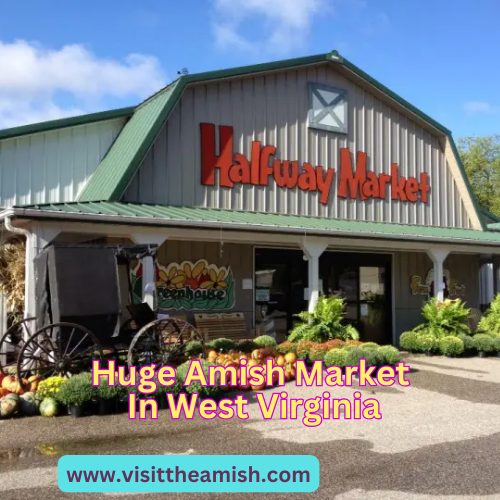
This Huge Amish Market In Milton, West Virginia Is Too Good To Pass Up: 1213 US-60, Milton, WV 25541
West Virginia may not be known for its sprawling Amish communities, but that doesn’t mean you can’t find a taste of their delicious traditions! Nestled in Milton and Hurricane, Halfway Market isn’t your average grocery store. Established in 1970, it’s grown from a humble produce stand into a treasure trove of fresh finds and Amish specialties.
Imagine walking up to a market overflowing with vibrant flowers and seasonal plants. That’s your welcome mat at Halfway Market! Step inside, and a delightful jumble awaits. Fresh, local fruits and vegetables mingle with Amish-made goodies, creating a symphony of flavors and textures.
Cheese lovers, rejoice! Amish cheeses of all varieties line the shelves, waiting to be discovered. Need a perfect ending to your meal? Don’t miss the legendary Amish pies – baked fresh daily and disappearing just as fast. Stock up while you can!
While there’s no official list of most popular items at Halfway Market, based on the information we have, here are some strong contenders for Milton shoppers:
Fresh Produce: Since Halfway Market began as a produce stand, it’s likely their local and seasonal fruits and vegetables remain a top draw.
Amish Cheeses: With a whole variety offered, these cheeses are a crowd-pleaser, especially for those who enjoy unique flavors.
Amish Baked Goods: Freshly baked breads and disappearing-fast Amish pies suggest they’re a customer favorite.
Bulk Goods: The affordability and convenience of their perfectly portioned bulk section likely makes it a popular choice for many Milton residents.
It’s also worth considering that seasonal items might be particularly popular during their peak times. For example, fresh-picked strawberries in spring or pumpkins in fall could be top sellers when available.
But Halfway Market isn’t just about treats. Their bulk section boasts a rainbow of affordably priced essentials, perfectly portioned to stay fresh for your kitchen adventures.
And for those who appreciate quality craftsmanship, Halfway Market offers a stunning selection of Amish furniture. These handcrafted pieces are built to last, adding a touch of timeless beauty to your home.
This Huge Amish Market In West Virginia Is Too Good To Pass Up
Ready to embark on your own Appalachian adventure? Halfway Market has two locations – Milton (on E Main St!) and Hurricane – and their doors are open seven days a week. So ditch the ordinary and discover a world of fresh flavors and Amish traditions, right here in West Virginia!
Bonus Tip: With their ever-changing inventory that reflects the seasons, every visit to Halfway Market is a delightful surprise. You never know what hidden gem you might unearth!
Cultivating Tradition: A Recipe for Amish Sourdough Starter
The heart of many Amish baked goods lies in a bubbling vat of sourdough starter – a living culture of flour and water that imparts a tangy flavor and distinctive rise to breads and pastries. Unlike commercially produced yeast, sourdough starter is a slow and patient process, but the reward is a deeply flavorful and healthy leavening agent.
This recipe takes inspiration from traditional Amish practices, using readily available ingredients and a simple method to cultivate your very own sourdough starter. Remember, patience is key – creating a robust starter can take up to a week or even longer. But with a little dedication, you’ll be well on your way to baking delicious Amish-inspired treats.
Ingredients:
1 cup all-purpose flour (unbleached, bread flour can also be used)
½ cup warm water (around 100°F/38°C)
Equipment:
Large glass jar (at least 2 quart capacity)
Kitchen scale (optional, but helpful for measuring)
Whisk or spoon
Instructions:
Day 1: In your clean glass jar, combine 1 cup of flour with ½ cup of warm water. Stir well with a whisk or spoon to create a thick batter. Cover the jar loosely with a lid or breathable cloth (like cheesecloth or a coffee filter).
Day 2 & 3: Place the jar in a warm spot, ideally around 70°F-80°F (21°C-27°C). Leave it undisturbed for 24 hours. After 24 hours, discard half of the starter and then “feed” it by adding another ½ cup of flour and ½ cup of warm water. Stir well to combine and cover loosely again. Repeat this process of discarding half and feeding with fresh flour and water every 24 hours.
Day 4 & 5: You may start to see small bubbles forming on the surface of the starter. This indicates fermentation is starting. Continue feeding the starter daily, discarding half and adding fresh flour and water.
Day 6 & 7: The starter should become increasingly bubbly and active. It may even double in size within a few hours after feeding. If you notice a sour aroma, that’s a good sign!
Day 8 & Beyond: Your starter should be ready to use when it consistently doubles in size within 4-6 hours after feeding. To test its readiness, perform the “float test.” Take a spoonful of starter and drop it into a bowl of clean water. If it floats, your starter is active and ready to use.
Tips:
Temperature is Key: Maintaining a warm environment is crucial for optimal starter development. If your kitchen is cool, consider placing the jar on a heating pad set to low or near a warm appliance.
Feeding Schedule: Once your starter is active, you can reduce the feeding frequency to every other day or even once every few days if you’re not baking regularly. However, it’s important to “refresh” it by feeding it before using it in a recipe.
Storage: When not in use, store your starter in the refrigerator. Before using refrigerated starter, take it out and let it come to room temperature and feed it once or twice to reactivate it.
Discard Options: Don’t waste the discarded starter! You can use it in recipes like pancakes, waffles, or even discard crackers.
With a little patience and these basic steps, you’ll be well on your way to cultivating your own Amish-style sourdough starter, unlocking a world of delicious possibilities for your baking endeavors.
ID used to identify users for 24 hours after last activity
24 hours
_gat
Used to monitor number of Google Analytics server requests when using Google Tag Manager
1 minute
_gali
Used by Google Analytics to determine which links on a page are being clicked
30 seconds
_ga_
ID used to identify users
2 years
__utmx
Used to determine whether a user is included in an A / B or Multivariate test.
18 months
_ga
ID used to identify users
2 years
__utmv
Contains custom information set by the web developer via the _setCustomVar method in Google Analytics. This cookie is updated every time new data is sent to the Google Analytics server.
2 years after last activity
__utmc
Used only with old Urchin versions of Google Analytics and not with GA.js. Was used to distinguish between new sessions and visits at the end of a session.
End of session (browser)
__utmz
Contains information about the traffic source or campaign that directed user to the website. The cookie is set when the GA.js javascript is loaded and updated when data is sent to the Google Anaytics server
6 months after last activity
__utmt
Used to monitor number of Google Analytics server requests
10 minutes
__utmb
Used to distinguish new sessions and visits. This cookie is set when the GA.js javascript library is loaded and there is no existing __utmb cookie. The cookie is updated every time data is sent to the Google Analytics server.
30 minutes after last activity
_gac_
Contains information related to marketing campaigns of the user. These are shared with Google AdWords / Google Ads when the Google Ads and Google Analytics accounts are linked together.