The Amish Practice of Shunning: A Tradition of Discipline and Reconciliation
In the heart of rural America, the Amish community stands as a testament to the enduring power of tradition and faith. Among their most distinctive practices is the concept of shunning, or “Meidung” in Pennsylvania Dutch, a form of social exclusion and discipline deeply rooted in their religious beliefs and communal values.
The Bann: Excommunication from the Amish Church
At the core of the shunning practice lies the concept of the Bann, which refers to the state of being excommunicated from the Amish church. This can be either temporary or permanent, lasting until the excommunicated member reconciles with the church and repents for their actions. The Bann is not a decision taken lightly, but rather a measure of last resort when other attempts at correction have failed.
The process of excommunication is a communal affair, requiring a unanimous vote from the congregation. It is not a unilateral decision made by the bishop or church leaders alone, although their influence can be significant. The bishop has the authority to raise concerns about potential violations of the Ordnung (the communal rules and guidelines) and initiate the discussion about excommunication for the congregation to vote upon.
The Ordnung: The Guiding Principles of Amish Life
The Ordnung is a set of mutually agreed-upon church rules and guidelines that govern various aspects of daily life within the Amish community. It covers a wide range of topics, from sanctioned and disallowed technologies to styles of dress and other cultural practices. The Ordnung serves as a unifying force, ensuring that the community maintains its distinct identity and adherence to traditional values.
Importantly, the Ordnung is not a static document but rather a living, evolving set of guidelines that are reviewed and reaffirmed twice yearly during the Council meeting preceding Communion. This process allows for adaptations and adjustments to be made as needed, ensuring that the Ordnung remains relevant and reflective of the community’s needs and beliefs.
Reasons for Excommunication and Shunning
Amish members may be excommunicated and placed in the Bann for a variety of reasons, including exhibiting sinful behavior, owning or using forbidden technology, or violating the Ordnung in other significant ways. However, excommunication is not a knee-jerk reaction but rather a carefully considered decision, taken only after other methods of convincing the member to change their ways have been exhausted.
Once a member is excommunicated, the practice of shunning, or Meidung, comes into play. Shunning involves the social exclusion of the excommunicated individual, with Amish members unable to accept any form of assistance, eat together, or conduct business with them. However, they are still permitted to speak with and offer aid to the shunned individual, as the ultimate goal is to encourage their return to the church and repentance.
The Biblical Basis for Shunning
The Amish derive their practice of shunning from a close adherence to biblical principles, particularly passages such as 2 Thessalonians 3:14, which instructs believers to “have no company with him, that he may be ashamed.” They believe that shunning serves to preserve the integrity of the church and protect faithful members from those who might disrupt unity or lead others away from their commitment.
In this sense, shunning is not viewed as a cruel or vindictive act but rather a necessary measure to maintain the purity of the community and encourage errant members to reflect on their actions and seek reconciliation.
Variations in Shunning Practices
While the core principles of shunning are shared across Amish communities, there are variations in the specific practices employed. Some churches practice “streng Meidung” (strict shunning), where the Bann remains in place until the excommunicated member confesses and returns to their home Amish church. Other churches follow a milder approach, allowing the Bann to be removed when the individual joins another Amish church or a non-Amish church with similar Anabaptist roots and beliefs, often a more progressive Mennonite church.
These variations reflect the diversity within the Amish community and the autonomy of individual congregations to interpret and apply the principles of shunning in a manner that aligns with their specific beliefs and traditions.
The Path to Reconciliation
While the practice of shunning may seem harsh from an outsider’s perspective, it is important to understand that it is an accepted and understood part of Amish life. When individuals choose to be baptized into the church, they are aware of the consequences of breaking the Ordnung, including the possibility of excommunication and shunning.
However, the Amish community also recognizes the importance of reconciliation and the potential for redemption. Though infrequent, there have been instances where excommunicated members have returned to the church after showing contrition and making amends. In these cases, the community welcomes them back with open arms, shedding tears of joy and experiencing a sense of restoration akin to the parable of the lost sheep in Matthew 18.
One Amishman described the experience of an excommunicated member’s return as follows: “The parable of the lost sheep in Matt 18 is very descriptive. Many tears are shed, and there is a feeling of restoration.” These moments serve as powerful reminders of the Amish community’s commitment to forgiveness and the belief that even those who have strayed can find their way back to the fold.
Shunning in Other Religious Communities
While the Amish practice of shunning is perhaps the most well-known, they are not the only religious group to employ such measures. Some Mennonite groups, as well as Jehovah’s Witnesses, also practice forms of shunning, though the specific practices and rationales may vary.
This broader context highlights the fact that shunning, while controversial to outsiders, is a deeply rooted tradition in certain faith communities, serving as a means of maintaining doctrinal purity and encouraging adherence to established beliefs and practices.
Conclusion
The Amish practice of shunning, or Meidung, is a complex and multifaceted tradition that lies at the heart of their communal identity and religious beliefs. While it may seem harsh or even cruel from an outside perspective, it is important to understand the context and rationale behind this practice.
For the Amish, shunning is not a punitive measure but rather a means of preserving the integrity of their community, encouraging errant members to reflect on their actions, and ultimately facilitating reconciliation and restoration. It is a tradition deeply rooted in their interpretation of biblical principles and their commitment to maintaining a distinct way of life.
As with any tradition, there are variations and nuances within the Amish community, reflecting the diversity of beliefs and practices among different congregations. However, at its core, shunning remains a powerful symbol of the Amish commitment to their faith, their values, and the preservation of their unique cultural heritage.
Are you craving the classic flavors of a bacon cheeseburger but looking for a fun and hearty twist? This Amish Bacon Cheeseburger Casserole is the perfect answer! Combining all the savory elements of a cheeseburger—ground beef, crispy bacon, tangy ketchup, and mustard—with the comforting goodness of pasta and melted cheddar cheese, this dish is sure to become a family favorite.
Easy to prepare and bake, it’s an ideal choice for busy weeknights or casual gatherings. Dive into this deliciously satisfying casserole that brings the best of a burger right to your dinner table.
Ingredients:
1 pound ground beef
1/2 pound bacon, chopped
1 onion, chopped
2 cloves garlic, minced
1 can (14 oz) diced tomatoes, drained
1/4 cup ketchup
2 tablespoons mustard
2 tablespoons Worcestershire sauce
1 teaspoon salt
1/2 teaspoon black pepper
2 cups shredded cheddar cheese
4 cups cooked pasta (e.g., macaroni or penne)
Fresh parsley, chopped (for garnish)
Directions:
Preheat the Oven: Set your oven to 375°F (190°C) to get it ready for baking.
Cook the Bacon: In a large skillet, cook the chopped bacon over medium heat until it becomes crispy. Once done, remove the bacon and set it aside on a paper towel to drain excess fat.
Brown the Beef and Onions: Using the same skillet, add the ground beef and chopped onion. Cook them together until the beef is fully browned and the onion is soft and translucent. Make sure to drain any extra fat from the skillet.
Add Garlic: Add the minced garlic to the skillet and cook for about a minute, or until it releases its fragrance.
Combine Ingredients: Stir in the drained diced tomatoes, ketchup, mustard, Worcestershire sauce, salt, and black pepper. Allow the mixture to cook for 5-7 minutes, so the flavors can blend together nicely.
Mix with Pasta and Cheese: Remove the skillet from the heat. Stir in the cooked pasta, half of the shredded cheddar cheese, and the crispy bacon pieces.
Prepare for Baking: Transfer the entire mixture into a greased baking dish, spreading it out evenly. Sprinkle the remaining cheddar cheese over the top.
Bake: Place the baking dish in the preheated oven and bake for 20-25 minutes, or until the cheese on top is melted and bubbly.
Garnish and Serve: Before serving, garnish the casserole with freshly chopped parsley for a burst of color and flavor.
Enjoy your comforting and delicious Amish Bacon Cheeseburger Casserole!
There are many lodging options in the area, from campsites to bed-and-breakfasts to major chain hotels so you should not have too much trouble finding something that will fit your budget and travel style. I would start by figuring out what you’d like to see during your visit and then choose a nearby town (Millersburg, Walnut Creek, Sugarcreek, or Berlin for instance) that will make a convenient base. All the towns are small and they are all within about a 20 minute drive from one another.
If you are embarking on a journey with your significant other, seeking a more intimate and romantic accommodation experience, I highly recommend considering a charming bed-and-breakfast or cozy cottage. These options often provide a warm and personalized setting that can enhance the romantic atmosphere of your trip.
Hilltop Manor B&B, Garden Gate Getaway B&B, Blessings Lodge, and the Inn at Honey Run are all delightful choices that promise a memorable and romantic stay. From tranquil surroundings to thoughtful amenities and personalized service, these establishments are well-suited for couples seeking a romantic getaway. Just imagine waking up to a delicious homemade breakfast, strolling through beautiful gardens, and retiring to a cozy and inviting space at the end of the day.
Choosing a bed-and-breakfast or a cottage for your stay can add an extra layer of romance and charm to your travels, allowing you to create cherished memories in a setting that feels like a home away from home.
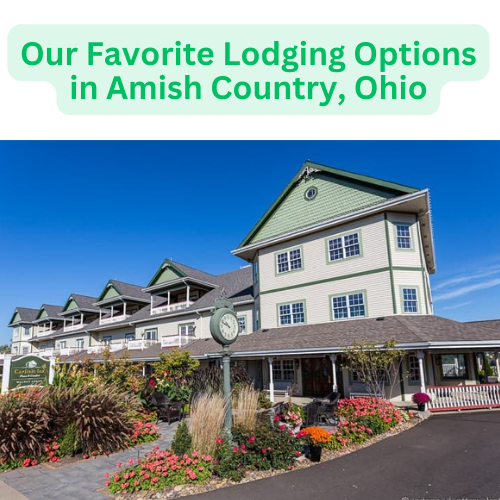
If you are traveling as a family, a hotel such as Carlisle Inn in Walnut Creek, can be perfect for both couples and families. You can search a full list of lodging options in the area here, but here are several options within Amish Country:
The 3-star hotel includes spacious and comfortable rooms, breakfast, snacks, a fitness center, and a business center. Walking distance to everything in Walnut Creek including the German Culture Museum, Der Dutchman restaurant, and the Walnut Creek Antique Mall. We have stayed here and recommend a room with a balcony.
From the moment you step into the Carlisle Inn, you are greeted with warm, rustic decor that reflects the surrounding Amish heritage. The common areas are inviting, with comfortable seating and thoughtful details that make you feel right at home. The rooms are spacious, impeccably clean, and well-appointed with cozy furnishings, plush bedding, and modern amenities. Many rooms offer stunning views of the picturesque countryside, allowing guests to unwind while taking in the natural beauty.
The staff at Carlisle Inn are exceptionally friendly and attentive, embodying the spirit of Amish hospitality. They go above and beyond to ensure that every guest’s stay is comfortable and enjoyable. Whether it’s providing recommendations for local attractions or accommodating special requests, their dedication to service is evident in every interaction.
While the inn itself does not have an on-site restaurant, it is conveniently located near several excellent dining options that feature hearty Amish cuisine. Guests can enjoy complimentary breakfast, featuring a selection of fresh pastries, fruits, and hot dishes. The inn also offers amenities such as a fitness center, indoor pool, and beautifully landscaped gardens, providing plenty of opportunities for relaxation and recreation.
The Carlisle Inn’s prime location in Walnut Creek makes it an ideal base for exploring the rich culture and attractions of Amish Country. Visitors can enjoy nearby shops, artisanal markets, and cultural sites that offer a glimpse into the Amish way of life. The tranquil surroundings also provide the perfect setting for leisurely strolls and scenic drives through rolling hills and farmland.
This 2-star historical Victorian era hotel is located in downtown Millersburg. Rooms feature cable TV, free WiFi, and coffee makers. Hotel has an on-site restaurant and bar. Walking distance to everything in downtown Millersburg. One to consider for those who like historical hotel and to be in a downtown area.
This well-rated hotel is located just outside Berlin and offers Victorian inspired decor and rates include hot breakfast at the nearby Berlin Farmstead Restaurant. Some rooms have balconies and/or spa bathtubs. A 10 minute walking into downtown Berlin.
Nestled in the charming town of Berlin, Ohio, Carlisle Country Inn offers a delightful blend of rustic elegance and modern comfort. From the moment you step into the inn, you are greeted by a warm and inviting atmosphere that reflects the tranquil beauty of Amish Country. The rooms are spacious and impeccably clean, featuring plush bedding and tasteful decor that create a cozy, homelike feel. Many rooms boast stunning views of the rolling countryside, providing a perfect backdrop for a peaceful retreat.
The service at Carlisle Country Inn is exemplary, characterized by genuine hospitality and attention to detail. The staff is friendly and attentive, always ready to assist with any needs or provide recommendations for local attractions. Their dedication to making each guest’s stay enjoyable is evident in every interaction, whether it’s during the seamless check-in process or the complimentary breakfast that features a variety of fresh, delicious options. The communal areas are equally inviting, offering comfortable seating and a cozy fireplace, ideal for relaxing after a day of exploring.
Located in the heart of Berlin, the inn is ideally situated for visitors to experience the rich culture and attractions of Amish Country. Guests can easily access nearby shops, artisanal markets, and cultural sites that offer a glimpse into the Amish way of life. The surrounding area is perfect for scenic drives and leisurely strolls, allowing visitors to fully immerse themselves in the picturesque landscape. Whether you are seeking a romantic getaway, a family vacation, or a solo retreat, Carlisle Country Inn provides a serene and welcoming environment that captures the essence of Amish Country living.
Located in the heart of Millersburg, Ohio, Garden Gate Get-A-Way B&B offers a serene and picturesque retreat that epitomizes the charm of Amish Country. From the moment you arrive, the lush gardens and tranquil surroundings set the stage for a relaxing and rejuvenating stay. The beautifully appointed rooms are designed with comfort in mind, featuring cozy furnishings, luxurious bedding, and thoughtful amenities that make you feel right at home. Each room is unique, adding to the personalized experience that this bed and breakfast provides.
The hospitality at Garden Gate Get-A-Way is second to none, with the innkeepers going above and beyond to ensure that every guest has a memorable stay. Their warm and welcoming demeanor creates an atmosphere of genuine friendliness and care. Breakfast is a highlight, with homemade dishes that showcase local flavors and ingredients, providing a delicious and hearty start to the day. The common areas, including a lovely porch and a cozy fireplace lounge, offer inviting spaces to unwind and enjoy the peaceful ambiance.
The location of Garden Gate Get-A-Way is ideal for exploring the many attractions of Millersburg and the surrounding Amish Country. Guests can easily visit local shops, artisanal markets, and cultural sites that offer insights into the Amish way of life. The scenic countryside, with its rolling hills and quaint farms, provides the perfect setting for leisurely walks and scenic drives. Whether you’re seeking a romantic escape, a restful solo retreat, or a fun-filled adventure, Garden Gate Get-A-Way B&B offers a delightful and welcoming haven that captures the essence of Amish Country.
This well-rated and comfortable chain hotel provides all the basic amenities and often has some of the best rates in the area. Includes a continental breakfast. Note this hotel is well outside of downtown Millersburg (15 minute drive) but located next to Mrs. Yoder’s Kitchen.
Andrew Weaver says, “Hands down, one of the cleanest hotels I ever stayed at. The staff was very kind and helpful, and the breakfast amazing. We noticed in the pool, they have a seat for the elderly.
This lodge features log cabin styled rooms and rustic decor. Some of the rooms have spa baths, fireplaces, and/or DVD players. Many of the units include a fully equipped kitchenette so perfect for those wanting to do some of their own cooking. A 12 minute walk from central Berlin.
Nestled in the charming town of Berlin, Ohio, Blessings Lodge offers a peaceful and inviting retreat in the heart of Amish Country. From the moment you arrive, the lodge’s warm and rustic ambiance welcomes you with open arms. The rooms are tastefully decorated, combining traditional Amish craftsmanship with modern comforts. Each room features cozy furnishings, plush bedding, and thoughtful touches like handcrafted quilts and wooden furniture, ensuring a restful and enjoyable stay.
The hospitality at Blessings Lodge is truly exceptional, reflecting the genuine kindness and warmth of the innkeepers. They go above and beyond to make each guest feel at home, providing personalized service and helpful recommendations for exploring the local area. The lodge’s attention to detail is evident in every aspect, from the immaculately maintained rooms to the delicious homemade breakfast that greets you each morning. This dedication to guest satisfaction creates a welcoming and comfortable atmosphere that enhances the overall experience.
Conveniently located in Berlin, Blessings Lodge is the perfect base for discovering the rich culture and attractions of Amish Country. Guests can easily access nearby shops, artisanal markets, and cultural sites that offer a glimpse into the Amish way of life. The picturesque surroundings, with rolling hills and scenic farmland, provide an ideal backdrop for leisurely strolls and scenic drives. Whether you’re looking for a romantic getaway, a family vacation, or a quiet solo retreat, Blessings Lodge offers a serene and charming escape that captures the essence of Amish Country living.
This cozy and well-located hotel is a popular place to stay in Berlin. Some rooms have spa baths and/or fireplaces. A stay here includes hot breakfast and evening snacks, and is located within walking distance of the shops and restaurants in downtown Berlin and the antique mall.
Located in the heart of Berlin, Ohio, Zinck’s Inn offers a delightful blend of comfort and convenience, making it an ideal destination for travelers exploring Amish Country. The inn exudes a warm and welcoming atmosphere from the moment you step through the door. The rooms are spacious and tastefully decorated, featuring comfortable beds, modern amenities, and charming decor that reflects the simplicity and beauty of the surrounding area. Many rooms offer picturesque views of the rolling hills and quaint farms, adding to the overall sense of tranquility.
The service at Zinck’s Inn is outstanding, with a staff dedicated to providing a memorable and enjoyable experience for every guest. Their friendly and attentive demeanor ensures that all needs are met promptly, whether it’s offering recommendations for local attractions or accommodating special requests. Guests can start their day with a complimentary breakfast that includes a variety of delicious options, from fresh pastries to hearty hot dishes, all served in a cozy dining area. The inn also hosts evening snacks, creating a homey and communal feel that encourages guests to relax and socialize.
Zinck’s Inn is perfectly situated for those looking to explore the rich culture and charm of Amish Country. Its central location in Berlin allows easy access to local shops, artisanal markets, and cultural sites that provide a glimpse into the Amish way of life. The scenic countryside invites guests to enjoy leisurely walks and scenic drives, making it easy to immerse oneself in the peaceful and picturesque surroundings. Whether you’re visiting for a romantic getaway, a family vacation, or a solo retreat, Zinck’s Inn offers a cozy and inviting haven that captures the essence of Amish Country hospitality.
This 4-star boutique resort is located in a rural area outside of Millersburg and boasts its own restaurant, gift shop, and has a large lobby area and outdoor seating area. Hiking trails are accessible from the property. A good place to consider if you are looking to getaway and want to be outside of a town.
The Inn at Honey Run offers a luxurious and tranquil escape for those seeking a blend of nature, comfort, and elegance. From the moment you arrive, the beauty of the surrounding woodland and rolling hills sets a calming tone. The inn itself is a testament to tasteful design and comfort, with rooms that are beautifully appointed and feature modern amenities. Each room provides a unique, intimate connection to nature, some with private decks overlooking the picturesque landscape, creating an atmosphere of peace and relaxation.
The service at The Inn at Honey Run is impeccable, characterized by warm hospitality and attention to detail. The staff is dedicated to ensuring that every guest’s stay is memorable, offering personalized service and thoughtful touches that enhance the overall experience. The Tarragon restaurant, located on-site, provides a gourmet dining experience with a menu that highlights locally sourced ingredients and expertly crafted dishes. Breakfast, lunch, and dinner are served with elegance and care, making dining at the inn a delightful part of the stay.
The Inn at Honey Run’s location is perfect for exploring the rich culture and natural beauty of Amish Country. Guests can enjoy leisurely walks through the inn’s woodland trails, visit nearby Amish shops and markets, or simply relax and take in the tranquil surroundings. The inn also features unique outdoor art installations and a variety of bird-watching opportunities, adding to the charm and appeal of the stay. Whether you’re looking for a romantic getaway, a peaceful retreat, or an adventure in nature, The Inn at Honey Run offers a unique and enchanting experience that captures the essence of Amish Country’s serene and simple beauty.
Save money 20 miles away
The lodging options around Amish Country are affordable but are going to be a bit more expensive than those outside of it. So if you are on a tighter budget, I’d consider checking prices in New Philadelphia. It is about 20 minutes outside of the main Amish Country area but offers lodging starting at prices 10 to 20% less than within Amish Country.
Title: Savoring Tradition: Exploring Farmwald’s Dutch Restaurant and Bakery in Horse Cave, KY
Nestled in the heart of Horse Cave, Kentucky, lies a culinary gem that transcends time and place – Farmwald’s Dutch Restaurant and Bakery. Here, tradition meets innovation, and every bite tells a story of Dutch heritage and Southern charm.
Farmwald’s is more than just a restaurant; it’s a journey through flavors and cultures, a place where authenticity and hospitality merge seamlessly. From the moment you step through the door, you’re greeted with the warm aroma of freshly baked bread and the inviting ambiance of rustic décor adorned with Dutch motifs.
The menu at Farmwald’s is a celebration of Dutch cuisine with a Southern twist. Indulge in hearty dishes like stamppot, a traditional Dutch comfort food made with mashed potatoes and vegetables, paired with locally sourced meats. Or treat yourself to poffertjes, tiny Dutch pancakes dusted with powdered sugar and served with a dollop of whipped butter.
But the true star of Farmwald’s is its bakery, where age-old recipes are brought to life with a modern flair. Sink your teeth into flaky stroopwafels, caramel-filled waffle cookies that are a delight with a cup of freshly brewed coffee. Or sample a slice of boterkoek, a buttery Dutch pastry that melts in your mouth with each decadent bite.
What sets Farmwald’s apart is its commitment to quality and authenticity. Ingredients are sourced from local farmers whenever possible, ensuring the freshest flavors in every dish. And with each recipe meticulously crafted to honor Dutch culinary traditions, diners can expect nothing less than an unforgettable gastronomic experience.
At Farmwald’s Dutch Restaurant and Bakery, patrons are spoiled for choice with an array of delectable dishes and baked goods that cater to every palate. Here are some favorite items that keep customers coming back for more:
Stamppot: A comforting Dutch classic, stamppot features mashed potatoes mixed with vegetables such as kale, carrots, or sauerkraut, often served with smoked sausage or bacon. It’s a hearty and satisfying dish that warms the soul, particularly popular during the colder months.
Poffertjes: These miniature Dutch pancakes are a beloved treat at Farmwald’s. Served hot off the griddle, poffertjes are fluffy and light, with a slightly crispy exterior. Traditionally topped with powdered sugar and a generous pat of butter, they make for a delightful snack or dessert.
Stroopwafels: A staple of Dutch cuisine, stroopwafels are thin waffle cookies sandwiched with a layer of caramel syrup. At Farmwald’s, these sweet treats are made fresh and served warm, allowing the caramel to ooze slightly with each bite. They’re perfect for enjoying alongside a cup of coffee or tea.
Boterkoek: For those with a sweet tooth, boterkoek is a must-try. This buttery Dutch pastry is dense and indulgent, with a rich flavor that’s both comforting and decadent. Sliced into squares and often dusted with powdered sugar, it’s a delightful indulgence that pairs perfectly with a cup of hot cocoa.
Dutch Apple Pie: No visit to Farmwald’s is complete without sampling their famous Dutch apple pie. Made with a buttery crust and filled with tart apples and warming spices, this classic dessert is a true crowd-pleaser. Whether enjoyed on its own or topped with a dollop of whipped cream or a scoop of vanilla ice cream, it’s sure to satisfy any sweet craving.
These are just a few of the favorite items at Farmwald’s Dutch Restaurant and Bakery. With a menu that celebrates the best of Dutch cuisine while incorporating local ingredients and flavors, there’s something for everyone to enjoy at this charming establishment.
But Farmwald’s is more than just a place to eat – it’s a gathering place for the community, a hub of culture and conversation. Whether you’re enjoying a leisurely brunch with family or savoring a romantic dinner for two, Farmwald’s welcomes you with open arms and a taste of Dutch hospitality.
And it’s not just locals who have fallen in love with Farmwald’s – visitors from near and far flock to this hidden gem, eager to experience its unique blend of flavors and atmosphere. With its quaint charm and delectable offerings, Farmwald’s has become a destination in its own right, a must-visit for anyone seeking an authentic taste of Dutch cuisine in the heart of Kentucky.
So, the next time you find yourself in Horse Cave, be sure to make a pit stop at Farmwald’s Dutch Restaurant and Bakery. Whether you’re craving a savory meal or a sweet treat, you’re sure to find something to tantalize your taste buds and leave you longing for more. After all, at Farmwald’s, every meal is not just a dining experience – it’s a journey through the rich tapestry of Dutch culinary tradition.
Exploring Tradition and Community at the Amish Heritage Country Market in Plain City, Ohio
Nestled in the heart of Marysville, Ohio, lies a haven where tradition, community, and culinary delights converge: the Amish Heritage Country Market. Stepping through its doors is like stepping into a bygone era, where simplicity reigns supreme, and the values of craftsmanship and neighborly connection are upheld with unwavering dedication.
The Amish Heritage Country Market is more than just a marketplace; it’s a testament to the enduring spirit of the Amish community and their commitment to preserving their heritage amidst the rapid currents of modernity. Founded by a group of local Amish families, the market serves as a hub where their time-honored traditions and artisanal skills are showcased and celebrated.
One of the most striking aspects of the Amish Heritage Country Market is its ambiance. As you wander through the aisles, you’re greeted by the warm glow of handcrafted lanterns, the rustic charm of wooden shelves laden with homemade goods, and the soothing sound of friendly chatter in Pennsylvania Dutch—a language that adds an extra layer of authenticity to the experience.
The market’s offerings are as diverse as they are delightful. From freshly baked bread and pies that evoke memories of grandmother’s kitchen to farm-fresh produce harvested with care from nearby fields, every item reflects the Amish commitment to quality and simplicity. Visitors can also peruse a wide array of handmade crafts, including quilts, furniture, and pottery, each imbued with the meticulous attention to detail that characterizes Amish craftsmanship.
But perhaps the most cherished aspect of the Amish Heritage Country Market is the sense of community it fosters. Here, shopping isn’t just a transaction—it’s an opportunity to forge connections with the people behind the products. Amish vendors greet each customer with a warm smile and a genuine interest in their well-being, embodying the values of hospitality and neighborliness that define their culture.
In addition to serving as a retail space, the market also hosts various events and activities that offer visitors a deeper insight into Amish life and traditions. From cooking demonstrations that showcase the art of making shoofly pie to quilting bees where guests can try their hand at this timeless craft, these experiences provide a window into a way of life that is both humble and rich in meaning.
For those looking to delve even further into the Amish experience, the market offers guided tours of nearby Amish communities, allowing visitors to witness firsthand the simplicity and serenity of rural Amish life. These tours offer a rare opportunity to step off the beaten path and immerse oneself in a world where time seems to slow down, and the values of faith, family, and hard work take precedence.
In a world that often seems dominated by haste and consumption, places like the Amish Heritage Country Market serve as a reminder of the enduring beauty of tradition, community, and craftsmanship. Here, amidst the rolling hills of Ohio’s Amish country, visitors can find not only a market but a sanctuary—a place where the past is honored, the present is savored, and the future is embraced with hope and humility.
The Geauga County Amish Community: A Glimpse into a Simpler Way of Life
Nestled in the rolling hills of northeastern Ohio lies the fourth-largest Amish community in the world – the Geauga County Amish. This vibrant and thriving community offers visitors a chance to step back in time and experience a way of life that has remained largely unchanged for generations.
One of the must-visit destinations in Geauga County is the Nauvoo Family Market [1][4]. This general store is a hub of Amish activity, stocked with an array of bulk foods, fresh baked goods, and delectable Amish fry pies that are a local specialty. Just down the road, the Craft Cupboard at Settlers’ Village [1] provides a treasure trove of handmade crafts, fabrics, and supplies for the discerning shopper.
For those seeking a more immersive Amish experience, a visit to Mary Yoder’s Restaurant [1] is a must. This Amish-owned establishment serves up a delicious buffet of traditional Amish fare, including hearty homemade dishes and freshly baked breads. Nearby, the Quintealia’s Tea Room [1] offers a refined and elegant setting to enjoy a spot of tea and light fare in a beautifully restored Victorian mansion.
No visit to Geauga County would be complete without a stop at the End of the Commons General Store [2] in Mesopotamia. This historic establishment, dating back to 1840, is a hub of Amish activity and a treasure trove of specialty foods, gifts, and Amish collectibles. Visitors can also enjoy a guided horse-drawn buggy tour [2] to immerse themselves in the Amish way of life.
Beyond the charming shops and restaurants, Geauga County is home to a wealth of natural wonders. The 1,100-acre Observatory Park [1] is a stargazer’s paradise, offering visitors a chance to gaze upon the night sky and learn about the cosmos. The county is also renowned for its maple production, with the annual Geauga County Maple Festival [1] celebrating the region’s rich maple heritage.
Whether you’re seeking a day of shopping, a taste of Amish cuisine, or a deeper connection with nature, Geauga County’s Amish community offers a truly unique and unforgettable experience. [1][2][3][4][5]
Based on the search results, some unique retail shops in the Geauga Ohio Amish country include:
The Craft Cupboard at Settlers’ Village – Provides a variety of handmade crafts, fabrics, and supplies.
The End of the Commons General Store in Mesopotamia – A historic 1840 establishment that is a hub of Amish activity, offering specialty foods, gifts, and Amish collectibles.
ID used to identify users for 24 hours after last activity
24 hours
_gat
Used to monitor number of Google Analytics server requests when using Google Tag Manager
1 minute
_gali
Used by Google Analytics to determine which links on a page are being clicked
30 seconds
_ga_
ID used to identify users
2 years
__utmx
Used to determine whether a user is included in an A / B or Multivariate test.
18 months
_ga
ID used to identify users
2 years
__utmv
Contains custom information set by the web developer via the _setCustomVar method in Google Analytics. This cookie is updated every time new data is sent to the Google Analytics server.
2 years after last activity
__utmc
Used only with old Urchin versions of Google Analytics and not with GA.js. Was used to distinguish between new sessions and visits at the end of a session.
End of session (browser)
__utmz
Contains information about the traffic source or campaign that directed user to the website. The cookie is set when the GA.js javascript is loaded and updated when data is sent to the Google Anaytics server
6 months after last activity
__utmt
Used to monitor number of Google Analytics server requests
10 minutes
__utmb
Used to distinguish new sessions and visits. This cookie is set when the GA.js javascript library is loaded and there is no existing __utmb cookie. The cookie is updated every time data is sent to the Google Analytics server.
30 minutes after last activity
_gac_
Contains information related to marketing campaigns of the user. These are shared with Google AdWords / Google Ads when the Google Ads and Google Analytics accounts are linked together.