Recent Posts

The Intriguing World of Amish Beards and Haircuts


The Intriguing World of Amish Beards and Haircuts

The Amish community is renowned for its distinctive way of life, characterized by simplicity, humility, and adherence to traditional values. Central to the Amish identity are their unique grooming practices, particularly when it comes to beards and haircuts. In this comprehensive exploration, we delve into the fascinating realm of Amish beards and haircuts, uncovering the cultural significance, religious symbolism, and historical evolution of these iconic features within the Amish tradition.

The Symbolism Behind Amish Beards

Amish men are widely recognized for their full beards, which hold deep symbolic meaning within their community. The beard is a symbol of masculinity, maturity, and wisdom among the Amish, reflecting a man’s commitment to his faith and family. Growing a beard is a rite of passage for young Amish men, signifying their transition into adulthood and readiness to take on responsibilities within the community. The length and style of the beard can also convey specific messages about an individual’s marital status or role within the community.

The Art of Amish Haircuts

In addition to their distinctive beards, Amish men are known for their simple and practical approach to haircuts. Traditional Amish haircuts are characterized by their neatness and modesty, reflecting the community’s emphasis on humility and conformity. Men typically wear their hair short and neatly trimmed, avoiding elaborate styles or modern trends. Hair grooming practices among the Amish are guided by religious beliefs that prioritize modesty and reject vanity, shaping not just their appearance but also their sense of identity within the community.

Evolution of Amish Grooming Practices

The grooming practices of the Amish community have evolved over centuries, influenced by cultural traditions, religious teachings, and historical contexts. While the core principles of simplicity and modesty have remained constant, changes in societal norms and external influences have subtly impacted Amish grooming habits. Modern innovations in grooming tools and techniques have introduced new possibilities for Amish men seeking to balance tradition with practicality in their grooming routines.

Navigating Modern Challenges

In today’s rapidly changing world, the Amish face unique challenges in preserving their traditional grooming practices while adapting to modern realities. The influence of mainstream culture, technological advancements in grooming products, and shifting attitudes towards personal appearance present dilemmas for young Amish individuals seeking to maintain their cultural heritage while engaging with the outside world. Balancing tradition with practicality becomes a delicate dance for many Amish men as they navigate the complexities of modern life.

Embracing Heritage Through Grooming

Despite these challenges, many members of the Amish community continue to embrace their heritage through steadfast adherence to traditional grooming practices. For them, beards and haircuts are not just matters of personal style but reflections of deeply held beliefs, cultural identity, and communal solidarity. Through their commitment to preserving age-old traditions in grooming, the Amish reaffirm their connection to a rich heritage that spans generations and serves as a source of strength and resilience in an ever-changing world.

In conclusion, the world of Amish beards and haircuts offers a window into a culture steeped in tradition, faith, and community values. From the symbolic significance of beards to the practical modesty of haircuts, every aspect of Amish grooming reflects a profound commitment to preserving a way of life that honors simplicity, humility, and authenticity. By exploring the intricate tapestry of traditions woven into their grooming practices, we gain a deeper appreciation for the enduring legacy of the Amish community and the timeless values that shape their distinctive identity.

Why Amish Preserves Are So Popular Plus 3 Recipes


Why Amish Preserves Are Popular

I love Amish jams and jellies for their unparalleled taste that transports me to the heart of summer with every spoonful. The rich, fruity flavors bursting from each jar reflect the care and tradition infused into every batch, reminding me of simpler times and the joy of homemade goodness. The authenticity of Amish preserves, crafted with fresh fruits and time-honored techniques, resonates with my appreciation for artisanal foods made with love and dedication. Each jar is a testament to the Amish community’s commitment to preserving nature’s bounty in a way that captivates the senses and warms the soul, making every bite a nostalgic delight.

Amish preserves have gained popularity for their traditional methods of canning and preserving food, capturing the essence of seasonal fruits in delightful spreads and jams. The Amish community is known for its dedication to preserving food through canning, creating a wide array of jellies, spreads, and preserves that embody the sweet goodness of summer’s fruits to be enjoyed year-round.

Why Amish Preserves Are Popular

Amish preserves have become popular due to their homemade nature, capturing the flavors of fresh fruits at their peak ripeness. The traditional Amish canning and preservation methods ensure that the fruits’ natural sweetness and flavors are preserved, offering a taste of summer even in the colder months. The simplicity and authenticity of Amish recipes appeal to many who appreciate artisanal, handcrafted foods made with care and tradition.

Rhubarb Red Raspberry Jam

3 Amish Preserve Recipes

  1. Amish Mixed Fruit Preserves
    • 3 cups sour cherries
    • 3 cups fresh apricots
    • 2 cups red raspberries
    • 7 cups sugar
      Instructions: Wash and prepare the fruits, mix with sugar, and cook until tender. Seal in hot jars.
  2. Amish Raspberry-Rhubarb Jam
    • 3 lbs. rhubarb
    • 2½ cups sugar
    • ½ cup water
    • 2 oranges (juice and rind)
    • 2 cups raspberries
      Instructions: Cook rhubarb with sugar, water, oranges, and raspberries until clear. Seal in jelly glasses.
  3. Amish Peach Skin Jelly
    • 3 quarts peach skins
    • 2 peach pits
    • 1/4 cup lemon juice
      Instructions: Process peach skins with lemon juice to create a unique jelly. Seal in sterilized jars.

These recipes showcase the simplicity and deliciousness of Amish preserves, offering a taste of tradition and craftsmanship in every jar. Whether enjoyed on toast, bread, or as accompaniments to various dishes, Amish preserves bring a touch of homemade goodness to any table.

For more authentic Amish recipes and preserves, exploring resources like the Amish Canning and Preserving Cookbook or visiting local Amish markets can provide a deeper insight into this cherished culinary tradition.

Exploring the Rich Heritage and Culinary Delights at the Pennsylvania Dutch Market in Hagerstown


Exploring the Rich Heritage and Culinary Delights at the Pennsylvania Dutch Market in Hagerstown

Exploring the Rich Heritage and Culinary Delights at the Pennsylvania Dutch Market in Hagerstown

Nestled in the heart of Hagerstown, Maryland, the Pennsylvania Dutch Market stands as a vibrant testament to the rich cultural heritage and culinary traditions of the Pennsylvania Dutch community. This market, a hub of diverse and delectable offerings, beckons visitors to embark on a culinary journey that blends history, tradition, and mouthwatering flavors.

A Taste of Tradition:

The Pennsylvania Dutch, also known as the Amish and Mennonites, are renowned for their commitment to craftsmanship and preservation of age-old traditions. The Pennsylvania Dutch Market in Hagerstown is a microcosm of this cultural richness, offering visitors a chance to experience the essence of a bygone era.

Pennsylvania Dutch Market

As you step into the market, the first thing that captures your senses is the delightful aroma of freshly baked goods. From warm pretzels to handcrafted pies, the bakers at the Pennsylvania Dutch Market take pride in using time-honored recipes that have been passed down through generations. Each bite is a nostalgic journey back in time, offering a taste of the simple yet flavorful fare that defines Pennsylvania Dutch cuisine.

Fresh and Local:

One of the hallmarks of the Pennsylvania Dutch Market is its commitment to sourcing fresh, local ingredients. Farmers and producers from the surrounding regions bring their finest goods to the market, ensuring that visitors can indulge in the true flavors of the season. From crisp apples to artisan cheeses, the market is a cornucopia of locally sourced delights that reflect the bountiful offerings of the nearby farmlands.

The Amish Market Experience:

What sets the Pennsylvania Dutch Market apart is its authentic Amish market experience. Visitors have the opportunity to interact with Amish vendors who, with their traditional dress and timeless craftsmanship, add a touch of authenticity to the market atmosphere. The Amish are known for their dedication to quality, and this commitment is palpable in every handwoven basket, handcrafted piece of furniture, and meticulously prepared food item.

A Culinary Adventure:

For food enthusiasts, the Pennsylvania Dutch Market is a paradise. From homemade sausages to freshly churned butter, the market’s butchers and dairy vendors offer a wide array of products that cater to every palate. The market’s culinary offerings go beyond the savory, with a plethora of sweets and treats that showcase the artistry of Amish bakers.

Beyond Food: Craftsmanship and Culture:

While the Pennsylvania Dutch Market is a haven for food lovers, it also serves as a showcase for the traditional craftsmanship and cultural heritage of the Pennsylvania Dutch community. Visitors can explore handcrafted furniture, quilts, and artisanal goods that reflect the timeless skills passed down through generations. It’s a place where the past seamlessly blends with the present, creating a unique and enriching experience for all who visit.

Culinary Delights

One of the highlights of the Pennsylvania Dutch Market is undoubtedly its culinary offerings. Prepare to indulge your taste buds with a mouthwatering array of homemade treats and freshly prepared meals. From hearty Pennsylvania Dutch classics to gourmet delicacies, there’s something to satisfy every craving.

Pennsylvania Dutch Market in Hagerstown

Start your culinary adventure with a visit to the market’s butcher shop, where you’ll find an impressive selection of premium meats, smoked sausages, and artisanal cheeses. Be sure to sample the market’s signature scrapple—a traditional Pennsylvania Dutch dish made from pork scraps and cornmeal, fried to crispy perfection.

Next, wander over to the bakery, where the aroma of freshly baked breads and pastries fills the air. Treat yourself to a slice of shoofly pie, a beloved Pennsylvania Dutch dessert made with molasses and a crumbly topping. Or perhaps indulge in a soft pretzel, baked to golden perfection and served warm with a dollop of mustard.

For those craving something savory, the market offers an enticing variety of homemade soups, sandwiches, and hot dishes. Sink your teeth into a tender roast beef sandwich, piled high with onions and horseradish sauce, or savor the flavors of a hearty chicken pot pie, bubbling with tender chunks of meat and vegetables.

Community Spirit

Beyond its culinary delights and artisanal crafts, the Pennsylvania Dutch Market is a hub of community spirit. It’s a place where neighbors gather to catch up over a cup of coffee, where vendors greet you by name and share stories of family and tradition. There’s a sense of warmth and camaraderie that permeates the market, making it not just a place to shop, but a place to connect and belong.

Whether you’re a first-time visitor or a seasoned regular, the Pennsylvania Dutch Market welcomes you with open arms and invites you to experience the rich tapestry of Pennsylvania Dutch culture. So, come stroll the aisles, sample the flavors, and immerse yourself in a world where tradition and flavor converge in perfect harmony.

Pennsylvania Dutch Market

Conclusion:

The Pennsylvania Dutch Market in Hagerstown is more than just a marketplace; it’s a journey into the heart of a community that cherishes its traditions and celebrates the simple pleasures of life. Whether you’re seeking culinary delights, handmade crafts, or a glimpse into a rich cultural heritage, this market invites you to savor the flavors and traditions that define the Pennsylvania Dutch way of life. A visit to the Pennsylvania Dutch Market in Hagerstown is not just a shopping trip; it’s an immersion into a world where time-honored values and exceptional craftsmanship converge to create an unforgettable experience for all who wander its charming aisles.

Why Are Amish Quilts So Expensive? Plus A Directory Of Amish Quilt Shops


Why-are-Amish-quilts-so-expensive


Unraveling the Mystique: The Economics and Culture Behind the High Cost of Amish Quilts

In the world of textiles and handicrafts, few items command as much attention and admiration as Amish quilts. Renowned for their exquisite craftsmanship, intricate designs, and timeless appeal, these quilts often carry a hefty price tag that leaves many wondering: why are Amish quilts so expensive? Delving into the economics, culture, and craftsmanship behind these iconic pieces reveals a complex tapestry of factors that contribute to their high cost.

Cultural Heritage and Artistry: A Tradition Passed Down Through Generations

At the heart of the Amish quilt tradition lies a deep reverence for heritage and craftsmanship. For centuries, quilting has been an integral part of Amish culture, with women passing down their skills and techniques from one generation to the next. Each quilt is a labor of love, painstakingly pieced together using time-honored methods and often featuring intricate patterns and motifs that reflect the values and beliefs of the Amish community.

Amish quilt

The level of skill and artistry required to create an Amish quilt is unparalleled, with quilters often spending hundreds of hours meticulously stitching each piece by hand. From selecting the finest fabrics to carefully coordinating colors and patterns, every aspect of the quilting process is infused with care and attention to detail. This dedication to quality and craftsmanship is a hallmark of Amish quilts and contributes to their enduring allure.

Limited Production and Rarity: Supply and Demand Dynamics

Amish quilt

One of the key factors driving the high cost of Amish quilts is their limited production and relative rarity. Unlike mass-produced quilts churned out by factories, Amish quilts are typically handmade in small batches by skilled artisans within Amish communities. This limited supply, combined with high demand from collectors and enthusiasts, creates a market dynamic where prices are naturally elevated.

Furthermore, the time-intensive nature of quilt-making means that only a finite number of quilts can be produced within a given timeframe. As a result, each Amish quilt becomes a coveted treasure, with collectors willing to pay a premium to acquire these one-of-a-kind pieces. This scarcity value further contributes to the perceived value and high cost of Amish quilts in the marketplace.

Quality of Materials and Craftsmanship: A Commitment to Excellence

Another factor that contributes to the expense of Amish quilts is the quality of materials and craftsmanship involved in their creation. Amish quilters are known for their discerning eye for detail and insistence on using only the finest fabrics and supplies available. From high-quality cottons and wools to meticulously sourced batting and thread, every component of an Amish quilt is carefully selected to ensure durability, longevity, and visual appeal.

Additionally, the hand-stitching techniques employed by Amish quilters result in seams that are not only strong and durable but also lend a distinctive aesthetic charm to the finished quilt. These meticulous stitching methods, coupled with the use of premium materials, contribute to the overall value and perceived quality of Amish quilts, justifying their higher price point compared to mass-produced alternatives.

Cultural and Artistic Significance: A Reflection of Values and Traditions

Amish quilt

Beyond their material and aesthetic qualities, Amish quilts hold a deeper significance as cultural artifacts and expressions of identity. Rooted in the values of simplicity, tradition, and community, these quilts serve as tangible manifestations of Amish heritage and beliefs. From the selection of traditional patterns and motifs to the communal aspect of quilt-making itself, every aspect of the quilting process is imbued with cultural meaning and significance.

For many Amish quilters, the act of creating a quilt is not merely a practical endeavor but a spiritual one, with each stitch serving as a form of meditation and reflection. This deep connection to tradition and spirituality infuses Amish quilts with a sense of authenticity and authenticity that resonates with collectors and enthusiasts around the world, further elevating their cultural and artistic significance.

Conclusion: A Tapestry of Value and Tradition

In conclusion, the high cost of Amish quilts can be attributed to a combination of factors, including their cultural heritage, limited production, quality craftsmanship, and artistic significance. From their intricate designs and meticulous stitching to their cultural and spiritual significance, these quilts represent far more than mere textiles – they are tangible expressions of tradition, craftsmanship, and community.

While the price of an Amish quilt may seem steep to some, it is a reflection of the time, skill, and cultural value invested in its creation. For collectors and enthusiasts, the opportunity to own a piece of Amish history is worth every penny, as these quilts serve as enduring reminders of a rich and vibrant heritage that continues to inspire and captivate to this day.

Amish Quilt Shops

The Majestic Amish Horses: The Top Breeds & Their Functions


Amish Horses

Riding Through Time: The Majestic Amish Horses and Their Enduring Bond

Nestled in the heart of rural America, the Amish community has maintained a unique way of life that honors tradition, simplicity, and a deep connection with nature. At the center of this lifestyle, the Ample Horses play a vital role, serving as trusted companions, reliable workhorses, and symbols of the Amish commitment to self-sufficiency. In this article, we’ll explore the fascinating world of Amish horses, their history, and the unbreakable bond they share with their human counterparts.

A Brief History of Amish Horses

Amish Horses

The Amish, a conservative Christian sect, migrated to the United States in the 18th century, bringing with them their customs, beliefs, and a reliance on horses for transportation, farming, and other daily tasks. Over the centuries, the Amish have developed a unique relationship with their horses, one that is steeped in tradition and respect.

Amish horses are typically draft breeds, such as Belgians, Percherons, and Clydesdales, known for their strength, endurance, and calm temperament. These horses were originally bred for heavy farm work, but they have become an integral part of Amish culture and identity.

The Role of Horses in Amish Life

Amish horses are not just beasts of burden; they are cherished members of the community. They serve a multitude of purposes, including:

  1. Transportation: Amish families rely on horse-drawn buggies for everyday travel, from visiting neighbors to attending church services.
  2. Farming: Horses are essential for plowing fields, pulling wagons, and performing other agricultural tasks.
  3. Companionship: Amish horses are often treated as pets, and children are taught to care for and respect them from a young age.
  4. Symbolism: Horses represent the Amish commitment to self-sufficiency and their rejection of modern technology.

The Amish Horse-Drawn Buggy

Amish Horse-Drawn Buggy

The Amish buggy is a familiar sight on rural roads, and it serves as a symbol of the Amish way of life. These buggies are typically built by local craftsmen and are designed to be simple, functional, and durable. The buggy’s construction reflects the Amish values of modesty and practicality.

Amish buggies come in various styles, including the open-top “sulky” buggy, the enclosed “standard” buggy, and the larger “family” buggy. Each type serves a specific purpose, from daily transportation to hauling goods or transporting large families.

Training and Care of Amish Horses

Amish horses are trained with patience and kindness, often by the children of the community. Training begins early, with young foals learning to accept a halter and lead rope. As they grow, horses are taught to respond to voice commands and to work alongside their human partners.Amish horses are well cared for, with regular grooming, shoeing, and veterinary check-ups. They are fed a balanced diet of hay, grain, and fresh water, and are given ample time to rest and graze. The Amish believe that treating their horses well is not only a moral obligation but also a practical necessity, as healthy, happy horses are more productive and reliable.

The Amish Horse Auction

One of the most fascinating aspects of Amish horse culture is the horse auction. These events, which occur throughout the year, serve as a meeting place for Amish communities and a marketplace for buying and selling horses.

At an Amish horse auction, horses are paraded before potential buyers, who assess their conformation, temperament, and work ethic. Bidding is spirited, and the highest bidder takes home a new horse, often paying in cash. The auction is a social event as well, with friends and neighbors catching up and sharing news.

The Future of Amish Horses

Amish Horses

Despite the increasing encroachment of modern technology, the Amish remain committed to their traditional way of life, and horses continue to play a vital role. However, the Amish are not immune to the challenges of the modern world, and some communities have begun to experiment with alternative forms of transportation, such as bicycles and tractors.

Still, the bond between Amish horses and their human partners remains strong, and the future of these majestic animals is likely to be one of continued service and companionship. As long as the Amish continue to value simplicity, self-sufficiency, and tradition, their horses will remain an integral part of their community and culture.

Conclusion

The Amish horses are more than just animals; they are cherished members of the Amish community, serving as trusted companions, reliable workhorses, and symbols of the Amish commitment to tradition and self-sufficiency. From their role in transportation and farming to their importance in social events like the horse auction, these majestic animals have a unique and enduring bond with the Amish people. As we look to the future, it is clear that the Amish horses will continue to play a vital role in the lives of their human partners, riding through time as a testament to the enduring power of tradition and the unbreakable bond between man and beast.

My Five Favorite Amish Restaurants In Illinois


My Five Favorite Amish Restaurants In Illinois

Five Amish Restaurants to Savor in Illinois

Illinois is home to a thriving Amish community, and with it comes a delightful array of Amish restaurants that offer a unique dining experience. Here are five noteworthy Amish eateries in the state:

1. Yoder’s Kitchen

Located in Arthur, Illinois, Yoder’s Kitchen is a beloved destination for Amish cuisine. With a buffet-style homemade food selection and a menu that includes favorites like chicken dinners and mashed potatoes, Yoder’s Kitchen is a must-visit for anyone seeking authentic Amish cooking.

Nestled in the heart of Amish Country, Yoder’s Kitchen in Arthur, Illinois, offers a delightful dining experience with a menu that showcases the rich culinary traditions of the Amish community. Here’s a glimpse into the mouthwatering dishes you can expect at this charming restaurant:

Menu Highlights

  1. Amish Chicken Dinner: A classic Amish dish featuring tender, juicy chicken, served with mashed potatoes, gravy, and a choice of sides like green beans, corn, or coleslaw.
  2. Broasted Chicken: A unique take on fried chicken, broasted chicken is cooked in a pressure fryer, resulting in a crispy exterior and moist, flavorful meat.
  3. Homemade Soups: Yoder’s Kitchen offers a variety of homemade soups, including chicken noodle, vegetable beef, and ham and bean, all made from scratch.
  4. Salad Bar: A popular feature at Yoder’s Kitchen, the salad bar offers a wide selection of fresh vegetables, toppings, and dressings4.
  5. Baked Goods: Don’t forget to save room for dessert! Yoder’s Kitchen is known for its homemade pies, cakes, and cookies, all baked fresh daily.

Additional Menu Items

Beyond the highlights mentioned above, Yoder’s Kitchen also offers a variety of other dishes, including:

  • Sandwiches: Choose from a selection of sandwiches, such as ham, turkey, or roast beef, served on freshly baked bread.
  • Breakfast: Start your day with a hearty breakfast featuring eggs, bacon, sausage, and pancakes.
  • Beverages: Enjoy a selection of beverages, including coffee, tea, and soft drinks.

Yoder’s Kitchen is located at 1195 E Columbia St, Arthur, IL 61911, and you can find more information on their website or Facebook page5. This rustic, old-world-style eatery is a must-visit for anyone seeking a taste of authentic Amish cooking. With its homemade comfort food and warm hospitality, Yoder’s Kitchen is sure to leave you with a memorable dining experience.

2. Dining in an Amish Home

A few Amish families in the Arthur countryside open their homes to outsiders, providing a memorable opportunity to dine with the Amish and learn about their culture. These meals are often arranged through local tour companies like Arthur Chartered Tours.

3. Beachy’s Bulk Foods

While not a restaurant, Beachy’s Bulk Foods in Arthur offers a wide range of Amish specialty products, including deli meats, freshly made peanut butter, and homemade pies. It’s a great place to take home some Amish ingredients to recreate the flavors yourself.

Beachy’s Bulk Foods, a family-owned business in Arthur, Illinois, has been a staple in the community for over 30 years, offering a wide variety of food items and household products. Here’s more about this unique Amish grocery store:

A One-Stop Shop for Bulk Foods

Beachy’s Bulk Foods is a destination for those seeking a diverse selection of bulk foods, essential groceries, and more. Some of the highlights of their offerings include:

  • Bulk Foods: With over a thousand food items, Beachy’s Bulk Foods caters to every taste, from homemade jams and jellies to fudge, noodles, and more.
  • Deli Items: The store offers sliced lunch meat and cheese, perfect for sandwiches or snacks.
  • Baked Goods: Beachy’s Bulk Foods also provides freshly baked goods, including homemade pies and other baked treats.
  • Frozen Foods: A wide variety of frozen foods is available for customers to take home and enjoy.
  • Household Items: Beachy’s Bulk Foods also stocks a selection of household items, health supplements, and cleaning products.

Specialty Products

In addition to the standard grocery items, Beachy’s Bulk Foods is known for its unique selection of specialty products, such as:

  • Deli Meats and Cheese: Freshly sliced deli meats and cheese are available for purchase5.
  • Freshly Made Peanut Butter: Beachy’s Bulk Foods offers freshly made peanut butter, a delightful treat for peanut butter lovers.
  • Gluten and Sugar-Free Items: The store caters to those with dietary restrictions, offering gluten and sugar-free items5.
  • Pickled Jar Goods: Beachy’s Bulk Foods also stocks a variety of pickled jar goods, perfect for adding a zesty touch to any meal.

Beachy’s Bulk Foods is located at 259 N Co Rd 200 E, Arthur, IL 61911, and can be reached at (217) 543-3447. This Amish grocery store is a must-visit for those seeking a unique shopping experience and a wide variety of bulk foods and specialty products.

4. Roselen’s Coffee and Delights

Owned by Amish sisters, Roselen’s Coffee and Delights in Arthur is not a full-fledged restaurant, but it does offer a drive-thru and a selection of baked goods and coffee. It’s a charming stop for a quick bite.

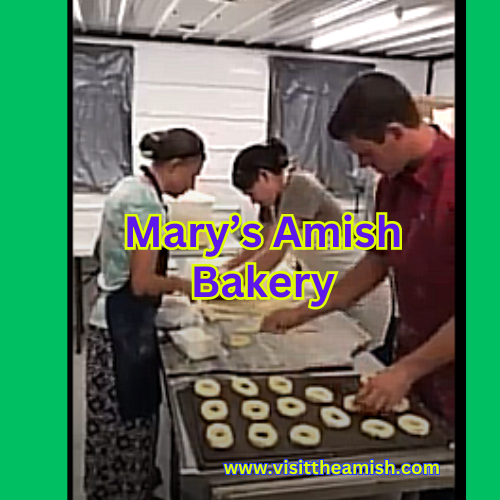
5. Amish Bakeries

Although not a restaurant, a mention of an Amish bakery in Illinois is warranted. The Amish bakeries in Illinois are a must-visit for its freshly baked goods, including pies and breads.

For those seeking a taste of Amish baked goods in Illinois, there are several delightful bakeries to visit. Here are some of the notable Amish bakeries in the state:

1. Amish Bakery in Addison, IL

Located at 625 Factory Rd, Addison, IL 60101, this bakery is a must-visit for its wide selection of homemade Amish goods

2. The Homestead Bakery in Arthur, IL

The Homestead Bakery is located at 1749B E County Rd 1900 N, Arthur, IL 61911, and it offers a variety of homemade Amish goods, including pies and baked goods

3. Lee’s Bakery near Roseville, IL

Lee’s Bakery is situated on an Amish farmstead near Roseville, IL, and is a one-stop destination for Amish-style baked goods

4. Hershbergers Bakery in Stronghurst, IL

Hershbergers Bakery, located at 585 Twp Rd 1400 E, Stronghurst, IL 61480, is another Amish bakery that offers a selection of homemade baked goods

5. Tori’s Home Baking in Iola, IL

Tori’s Home Baking, located at 214 W Broadway, Iola, IL 62838, is a small bakery that offers homemade Amish-style baked goods

These bakeries are known for their freshly baked pies, breads, cookies, and other delectable treats. Be sure to visit one of these establishments to experience the rich flavors and traditions of Amish baking.

These Amish restaurants and food-related experiences in Illinois offer a glimpse into the rich culinary traditions and hospitality of the Amish community. Whether you’re looking for a hearty meal, a unique shopping experience, or a chance to dine in an Amish home, these destinations are sure to satisfy your cravings.

Remember to make reservations in advance, especially for in-home dining experiences, and be respectful of the Amish culture and traditions during your visit. Enjoy your journey into the heart of Amish Illinois!