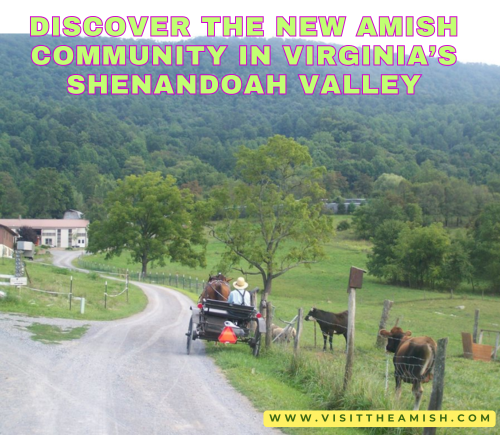
Nestled among the rolling green hills and quiet, pastoral landscapes of the Shenandoah Valley, a new Amish community is weaving its traditions into the fabric of rural Virginia. While Virginia has long been home to vibrant Mennonite and Brethren congregations, the arrival of these Amish families in the picturesque outskirts near Harrisonburg brings new sights—black buggies along country roads, hand-built barns dotting farmsteads, and the inviting scent of cinnamon bread fresh from wood-fired ovens. For travelers yearning for authenticity, simplicity, and local flavor, this new settlement is quickly becoming a must-visit destination.
A New Chapter for Amish Tradition in Virginia
Unlike the established Amish enclaves of Pennsylvania and Ohio, the Virginia community is young, having only settled five years ago. These families, fleeing rising land prices and crowded conditions up north, were drawn to Virginia’s affordable farmland, temperate climate, and longstanding culture of religious tolerance.
Jacob Miller, a community elder, explains their journey:
“We wanted a place where our children could run and play, where we could grow our own food and live close to the land. Virginia’s valleys reminded us of home but gave us room to breathe and to build a future for our families.”
For many locals, the Amish have been a welcome addition. Linda Croft, a longtime Harrisonburg resident and small business owner, says:
“They’ve brought a sense of renewal to the area. Their farms are always tidy, their produce is the best around, and the values they live by—hard work, honesty, neighborliness—feel like what rural Virginia is all about.”
Tending the Land, Forging Community
The new Amish settlement occupies several hundred acres of gently rolling terrain. The distinctive whitewashed houses, red barns, and quilt-draped clotheslines make a striking contrast to the sprawling cattle farms of their neighbors. The climate may be milder here, but the spirit of cooperation and simplicity is the same.
Rebecca Stoltzfus, a young Amish mother of three, shares:
“We’ve had to adjust to the longer growing season, but our tomatoes, beans, and peaches have never tasted better. Our children have made friends with the local families; it’s a blessing to grow up with good neighbors.”
Amish farms here specialize in everything from heirloom vegetables and orchard fruits to eggs, grassfed beef, and raw honey. Their sustainable methods—crop rotation, cover cropping, composting—have impressed ecologically-minded Virginians.
Local Businesses Embrace Amish Partnerships
The arrival of the Amish has sparked fresh interest in Virginia’s farm-to-table movement, fueling collaborations with local businesses:
Shenandoah Sunshine Market At this bustling, locally owned market, Amish produce takes center stage, from purple heirloom potatoes to baskets of peaches and farm-fresh eggs. Store manager Tom Evans notes:
“Our customers drive for miles to get Amish green beans or that cinnamon bread. It’s real food, grown the right way.”
Bread & Butter Bakery Teaming up with Amish bakers, Bread & Butter offers weekly specials like sweet potato bread and fruit-laden peach cobbler, making traditional recipes a mainstay of their menu1. Owner Mary Kimball raves:
“We’ve learned so much from their hands-on approach. Our bestsellers now? Definitely the Amish cinnamon bread and shoofly pie!”
Valley Quilts & Crafts This local cooperative features hand-stitched Amish quilts, hex signs, baskets, and wooden toys crafted with skill and heart. Salesgoer Linda Allen says:
“They’re not only works of art, they’re a story you can hold. Amish families have opened their homes and workshops to us—it’s truly special.”
Meadowbrook Tours Capitalizing on the region’s growing curiosity, this local tour company began offering guided buggy rides, farm visits, and craft demonstrations hosted by Amish families. Guide Alex Ramirez remarks:
“Visitors come for the old-world charm, but they leave with a sense of connection. The Amish are gracious hosts and love to teach others about their ways, whether it’s quilting, cheese-making, or the nuances of growing tomatoes in Shenandoah clay.”
Experience for Visitors: Immersion and Respect
Travelers can step into the rhythm of Amish life by touring fruit orchards, picking strawberries, or attending a barn-raising that pairs practical skill with communal festivity. Buggies ramble by, children race barefoot between gardens, and windmills churn over tidy fields. At Saturday farmers’ markets, Amish families display breads, jams, honey, and hand-churned butter. Customers can chat with the makers—but should be mindful to avoid photographs, respecting traditional Amish modesty.
Tourist Cheryl Perkins from Richmond shares:
“It’s like stepping into a living postcard. Everyone’s so genuine, and you can taste the difference in their food. I bought a quilt for my daughter that will be an heirloom one day.”
Blending Heritage with Local Character
One striking aspect is how quickly the new Amish community has bonded with local Virginians and become woven into the area’s identity.
John Walters, local historian and shopkeeper, observes:
“This isn’t just the Amish coming in and keeping to themselves. They’re part of bake sales, school fundraisers, and charity auctions. It’s been a joy watching cultures meet and thrive together.”
Rumors hint at plans for an annual fall fair, featuring Amish crafts, open-air food stalls, and traditional bluegrass as a nod to regional flavor—a new tradition in the making.
The Road Ahead: Roots and Renewal
With more families expected from the north, and a younger generation eager to put down roots, the future looks bright. Jacob Miller sums it up:
“Virginia feels like a gift. We hope we give back in friendship, good work, and honest food.”
By Elizabeth Montgomery, Food Editor
Skip the Drive to Lancaster: Authentic Amish Deli Opens in Albany
ALBANY, NY — The bustling corridor of Central Avenue is known for its diverse culinary...
A Taste of Lancaster in the Sunshine State: Exploring Florida’s Real Amish Deli Scene
When you think of Florida, you likely picture palm trees, beaches, and maybe a certain mouse-themed theme...