
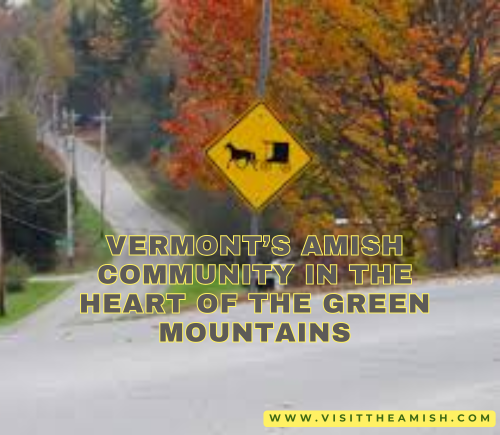
A New Dawn: Vermont’s Emerging Amish Community in the Heart of the Green Mountains
Deep in the verdant folds of Vermont’s Green Mountains, a phenomenon is unfolding: the arrival and establishment of a new Amish community in a region better known for its maple syrup and ski resorts than its horse-drawn buggies. While Amish settlements are traditionally associated with the rural expanses of Pennsylvania, Ohio, and Indiana, this new group has chosen the rolling hills and dense forests of northern New England as their home—a move that has both surprised and delighted locals and visitors alike.
The Unusual Setting: Amish Life in Vermont
Vermont, with its postcard-perfect villages and rugged terrain, is an unusual choice for an Amish community. The state’s climate, with its long, snowy winters and short growing seasons, presents unique challenges for a people whose livelihood is rooted in agriculture and craftsmanship. Yet, the Amish who have settled here are drawn by the region’s natural beauty, tight-knit communities, and a shared desire to live simply and in harmony with the land.
One local resident, Emily, who runs a bed-and-breakfast in the nearby town of Stowe, remarks:
“When the first Amish families arrived, people were curious but welcoming. There’s something special about having a community that values tradition and hard work right in our backyard. It’s a different kind of neighborly spirit.”
Building a Community from Scratch
The new Amish families, mostly transplants from established communities in Ohio and Pennsylvania, have worked tirelessly to adapt their traditional practices to Vermont’s environment. They have built homes using local timber, established small-scale dairy and vegetable farms, and set up woodworking and craft shops that reflect their commitment to quality and sustainability.
An Amish community leader, Samuel, shares his perspective:
“We knew it would be hard, but the land is good, and the people have been kind. We’re learning to work with the seasons, and our children are growing up with a strong sense of community and faith. It’s a blessing to be here.”
Another member, Miriam, adds:
“The winters are long, but we’ve found ways to stay busy with indoor crafts and community gatherings. The support from our neighbors has made all the difference.”
Local Businesses and the Amish Connection
The presence of the Amish has had a noticeable impact on the local economy, fostering new collaborations and opportunities for both residents and visitors.
Green Mountain Crafts & Provisions
This shop, located in the heart of Stowe, has become a destination for those seeking authentic Amish-made goods. From hand-carved wooden furniture to hand-stitched quilts, the shop showcases the skill and artistry of the new community. The owners partner directly with Amish craftsmen, ensuring that every item is made with care and tradition.

The Maple Barn
A local favorite, The Maple Barn now features Amish-made jams, preserves, and baked goods alongside its famous Vermont maple syrup. The partnership has been a hit with tourists, who appreciate the chance to sample both traditional New England and Amish treats in one place.
Vermont Valley Farm Stand
Run by a local family, this farm stand has expanded its offerings to include fresh produce, eggs, and dairy products from the Amish community. The stand has become a hub for locals and visitors alike, eager to support sustainable farming and enjoy farm-fresh goods.
Stowe Country Inn
This charming inn has embraced the Amish connection by offering guided tours and workshops led by Amish community members. Guests can learn about Amish traditions, participate in craft sessions, and even enjoy home-cooked meals prepared by Amish families.
The Visitor Experience: Tradition Meets New England Charm
Visitors to the area are greeted by a landscape that blends classic New England charm with the distinctive presence of the Amish. Horse-drawn buggies share the road with bicycles and hiking groups, and the sound of children’s laughter echoes from one-room schoolhouses nestled in the hills.
Tourists can embark on guided tours of the Amish community, led by local guides who share stories and insights into Amish life. These tours often include stops at Amish homes and shops, where visitors can purchase handmade goods and sample fresh, locally grown food.
A visitor from Boston, Mark, recounts his experience:
“I came for the fall foliage, but I stayed for the Amish crafts and hospitality. It’s amazing to see how two very different cultures can come together and create something unique.”
The Role of Tourism and Community
Tourism has become an important part of the local economy, providing income for both the Amish and their neighbors. The Amish welcome the opportunity to share their way of life, but they remain committed to preserving their traditions and privacy.
Local business owners have noticed a positive change since the Amish arrived.

“We’ve seen more visitors than ever before,” says Sarah, owner of Green Mountain Crafts & Provisions. “People are curious about the Amish, and they appreciate the authenticity and quality of their work. It’s been a win-win for everyone.”
The Future of Vermont’s Amish Community
As the community grows, plans are underway to expand craft workshops, establish a community center, and host annual festivals celebrating both Amish and New England traditions. The Amish are also exploring new ways to collaborate with local farmers and artisans, ensuring that their presence benefits the entire region.
The story of Vermont’s new Amish community is one of resilience, adaptation, and mutual respect. By choosing an unusual setting and embracing the challenges it presents, the Amish have created a vibrant, thriving community that enriches the lives of all who encounter it.